Curatorial approach
Daniel Comșa
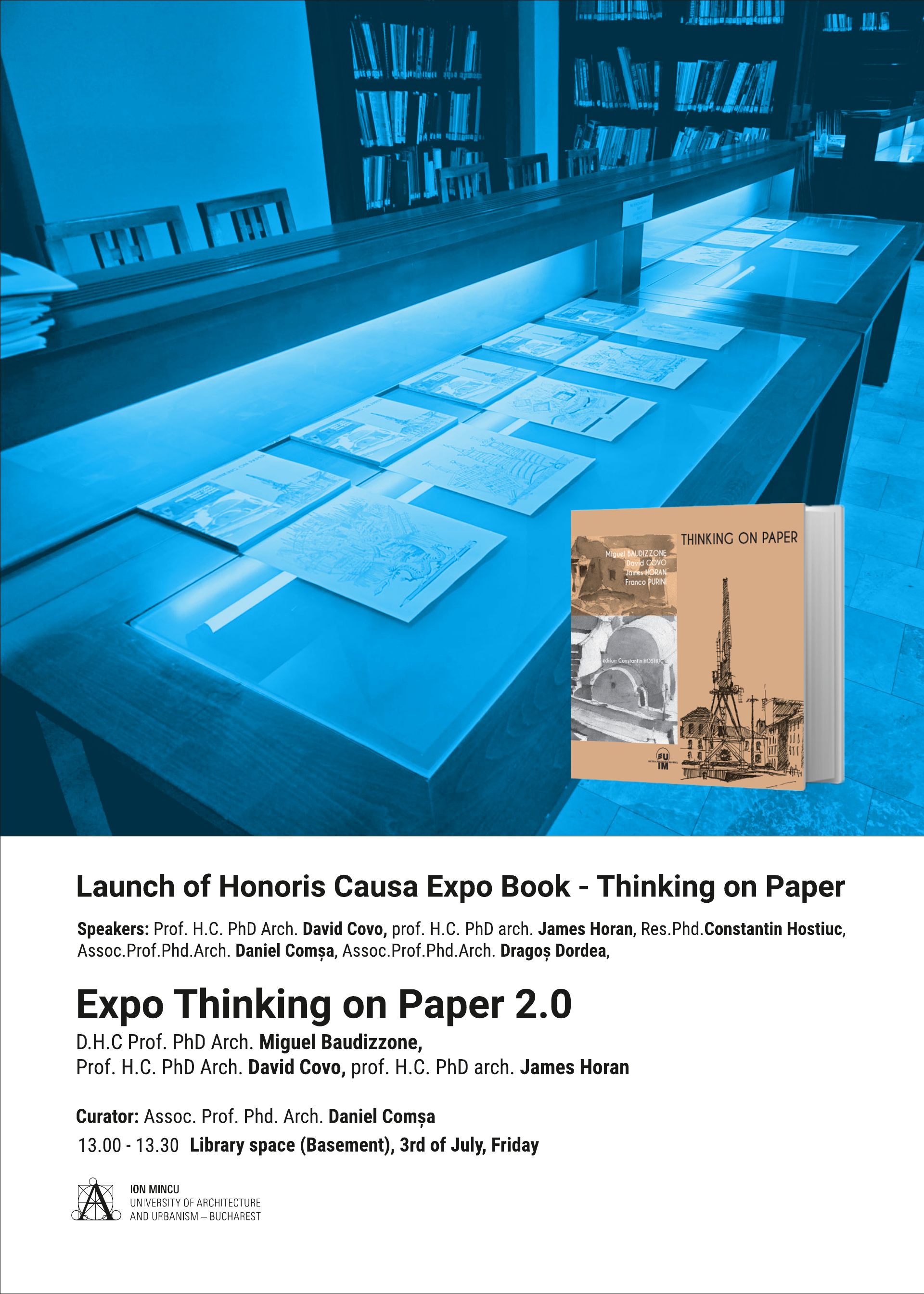
The idea of making a new exhibition on the occasion of the launch of the book Thinking on paper came in the last week of organizing the international diploma session of the Faculty of Architecture where two of the authors were invited to the committees.
The memory of the first exhibition that gathered the works of the four Honoris Causa of our university remained vivid in our eyes because at the end of the exhibition the paintings were given to the students and teachers participating in the festive closing and they can still be admired on the walls of many offices in the school.
Although initially I was thinking of marking this event differently with a live drawing session with explanations that would bring an ephemeral educational component, there was no room for it in the rather intense program of the our guests. Thus, the idea of showing how ideas are born in each person's sketchbook was the next preamble that this event tried to introduce.
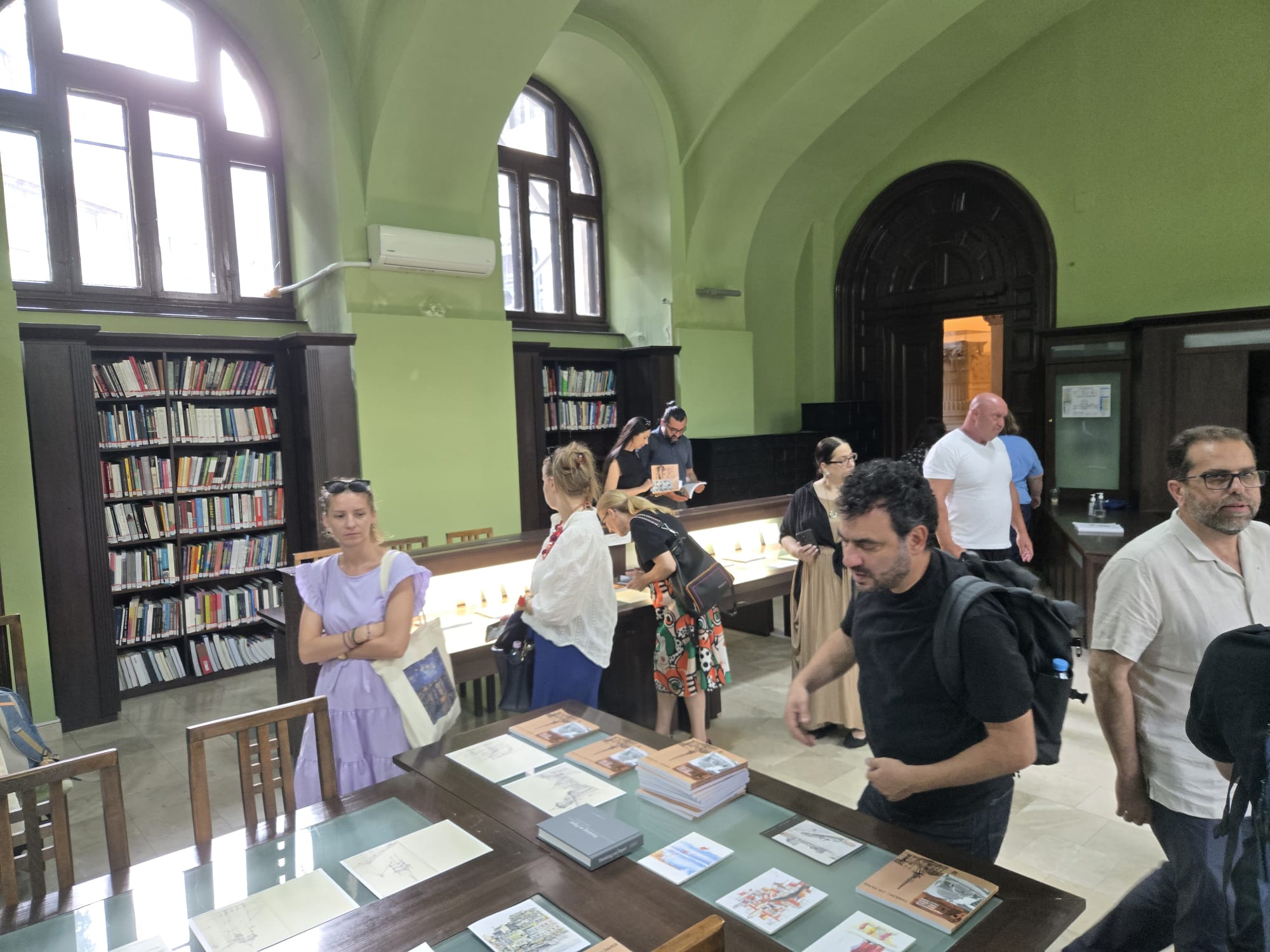
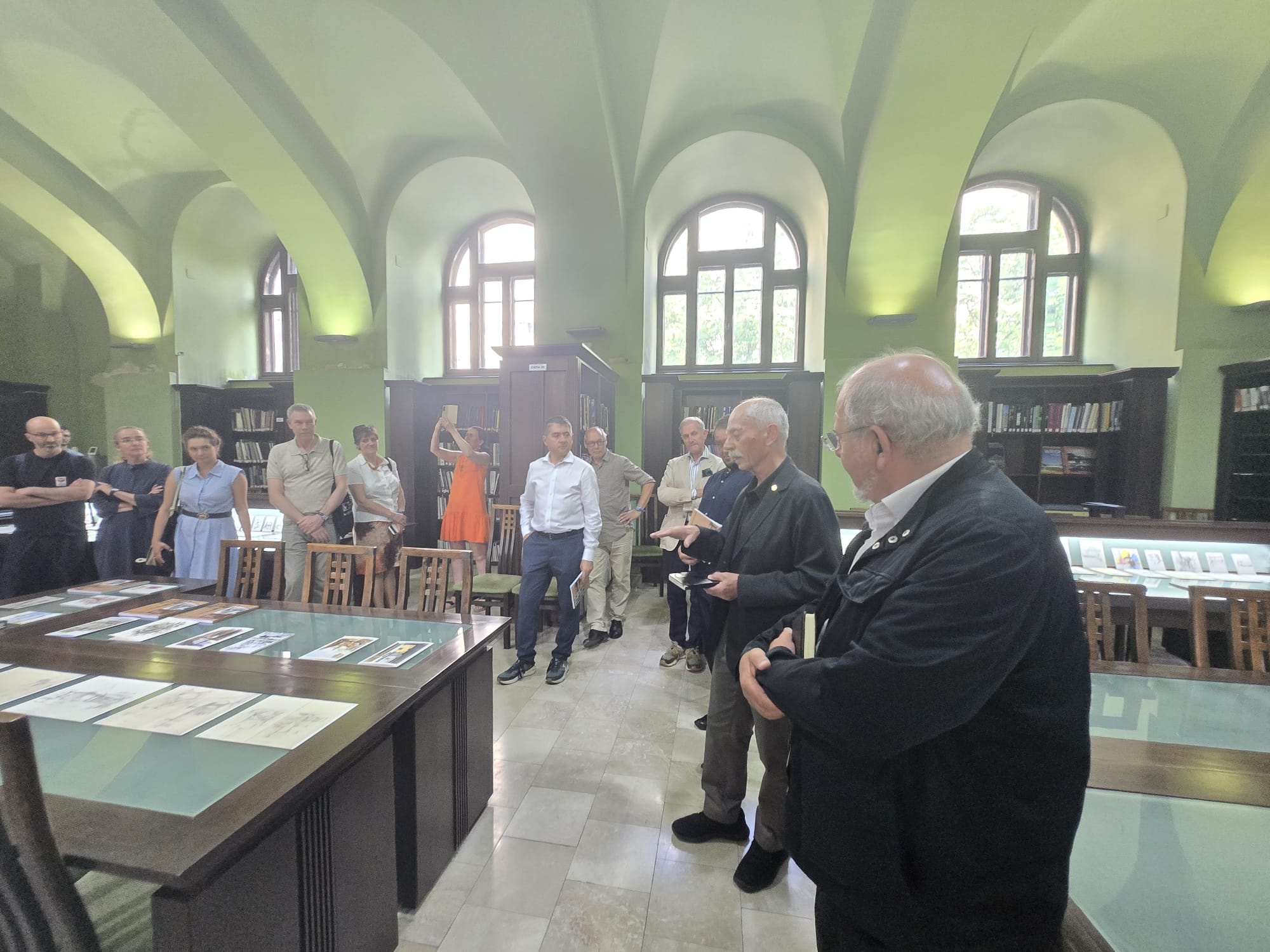
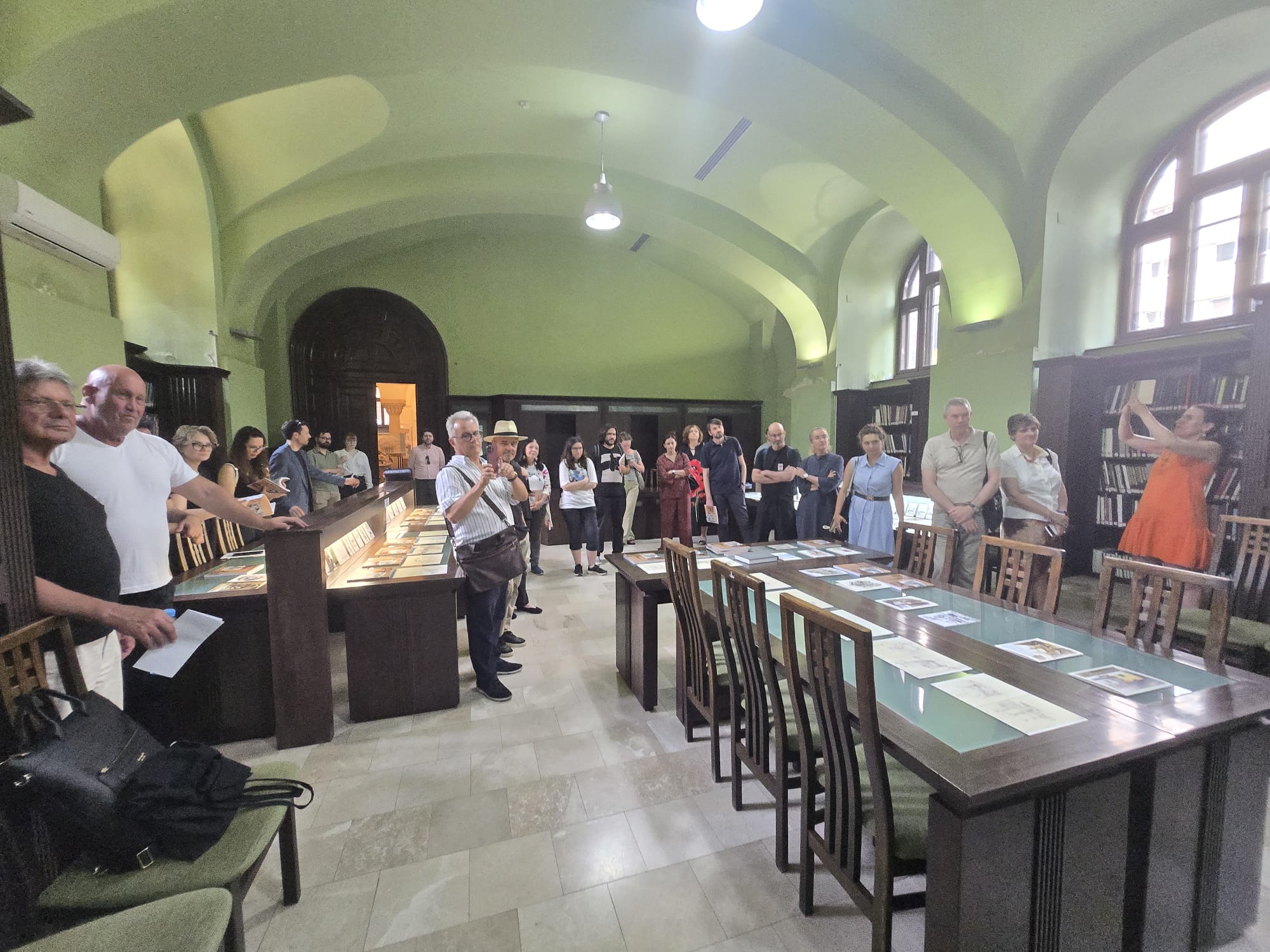
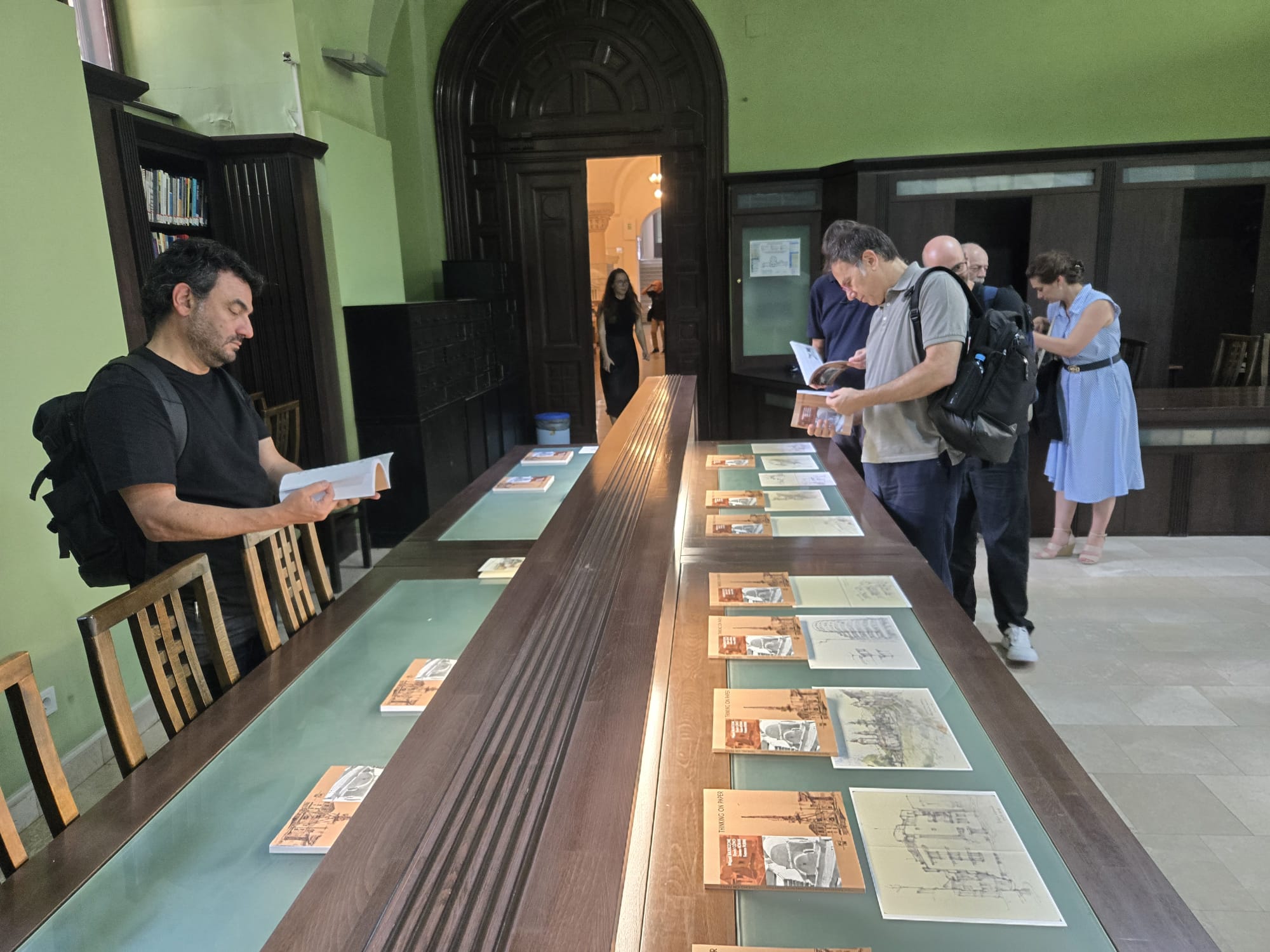
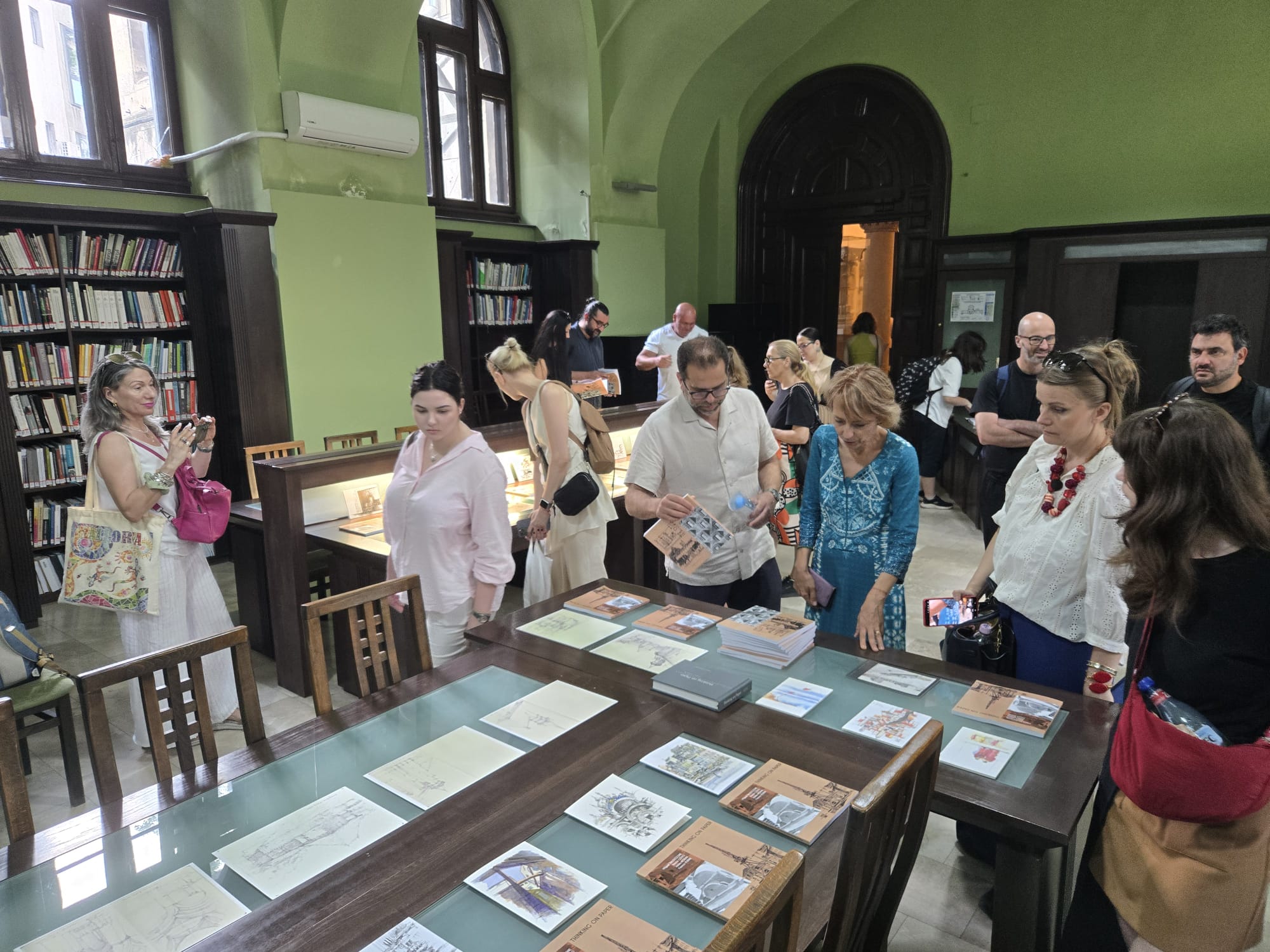
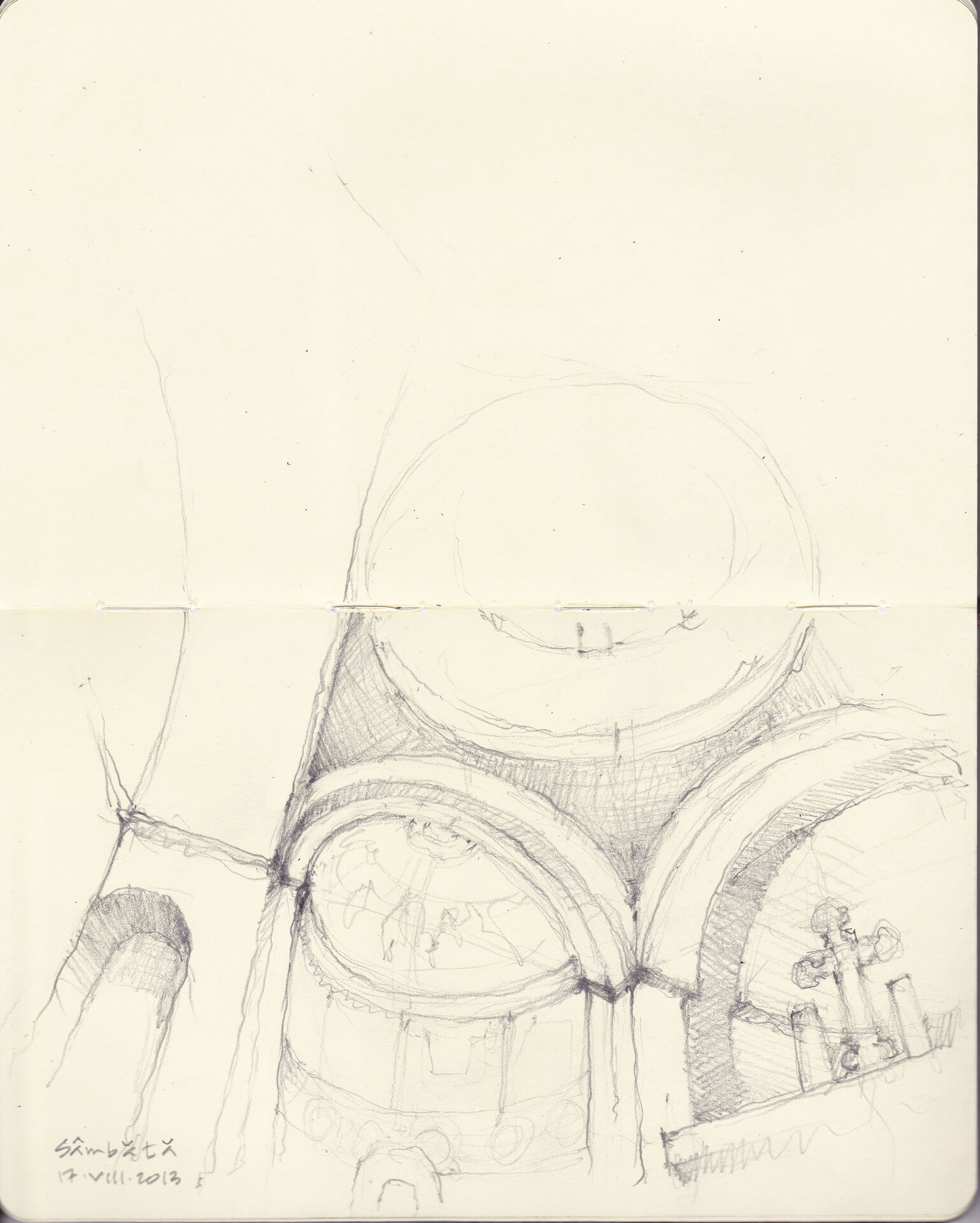
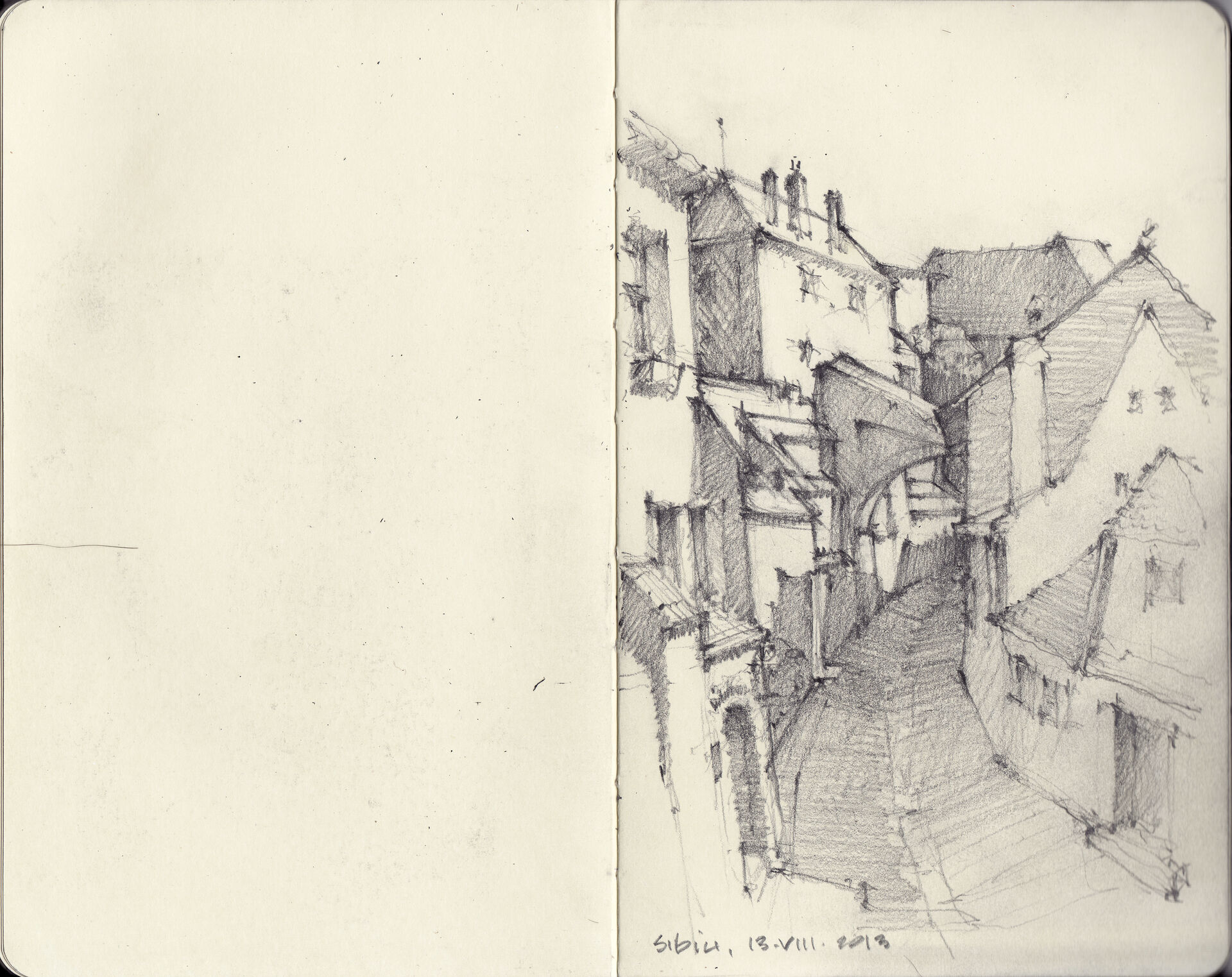
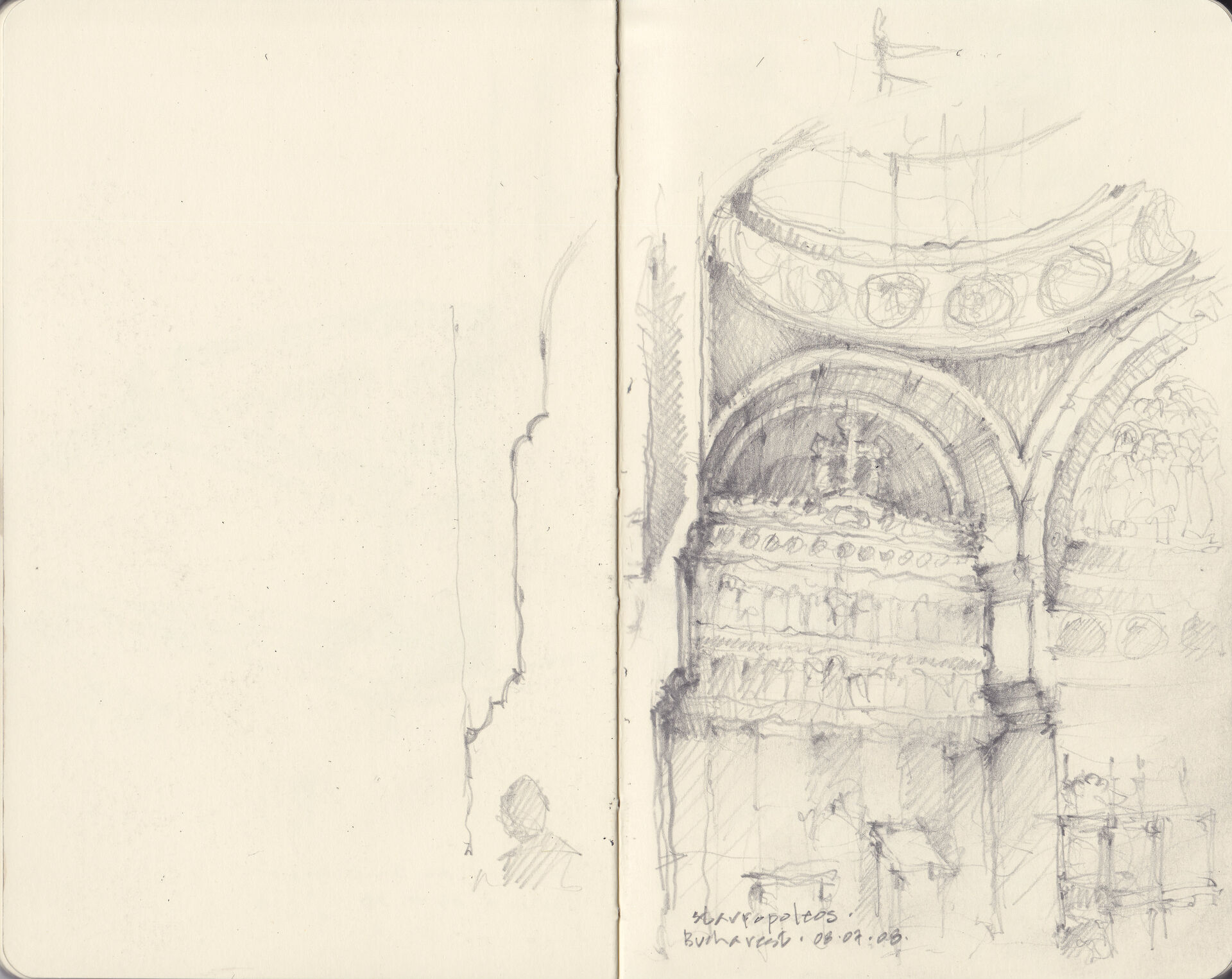
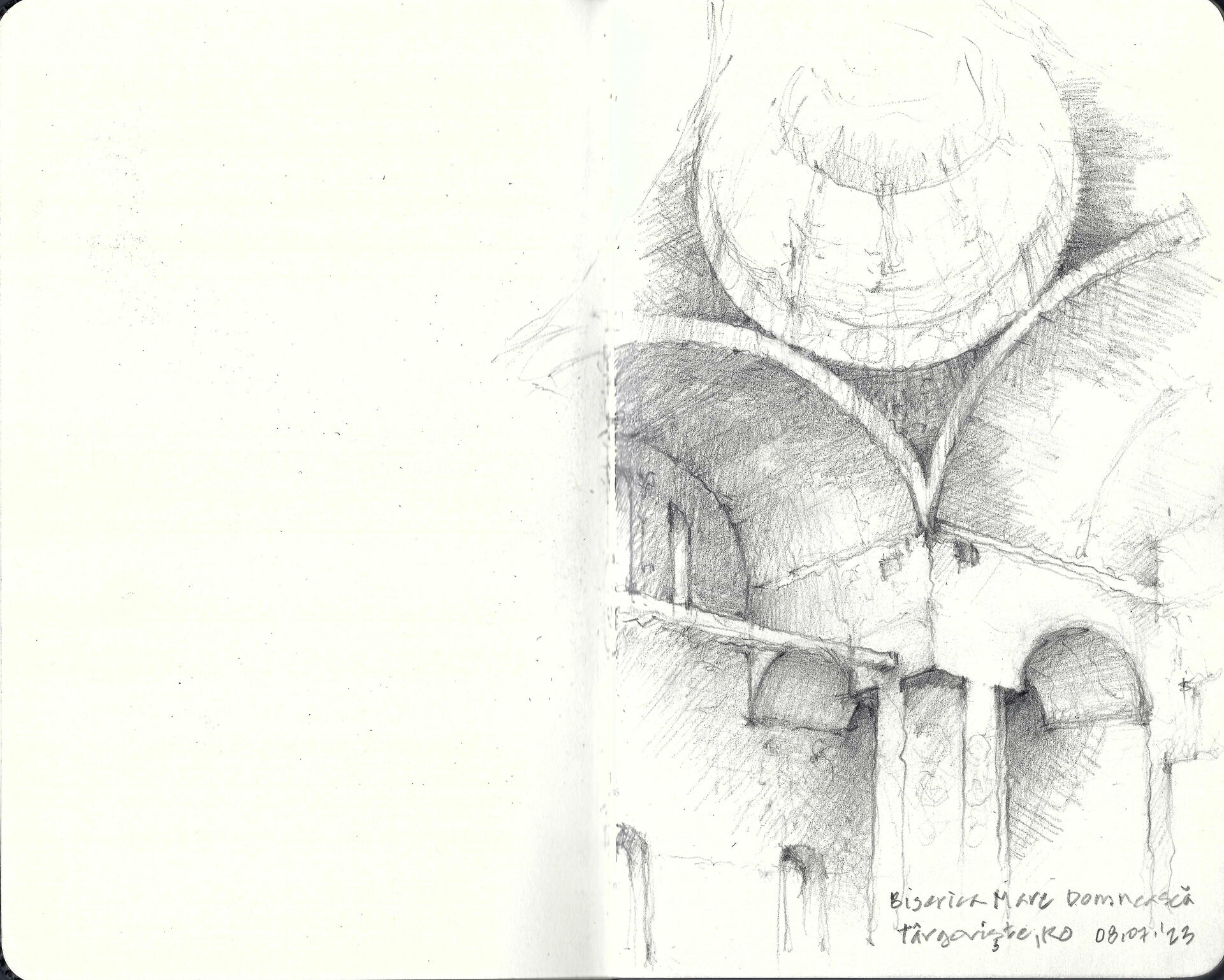
After inviting Professors Honoris Causa James Horan and David Covo to bring their sketchbooks to the festive moment when we launched the book and to show them to the public, it became impossible to exhibit such objects, or rather the impossibility of browsing through them without preserving their integrity.
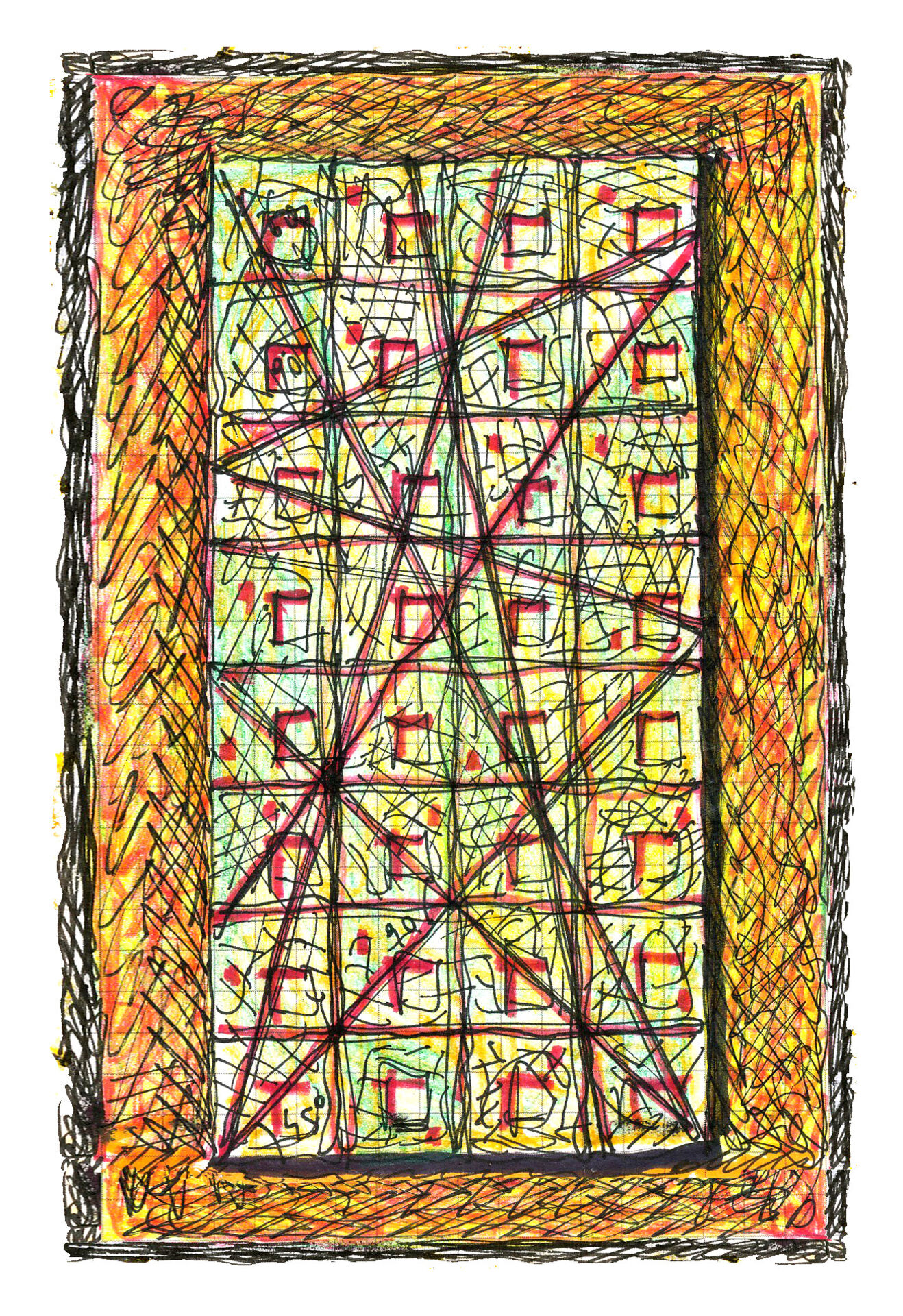
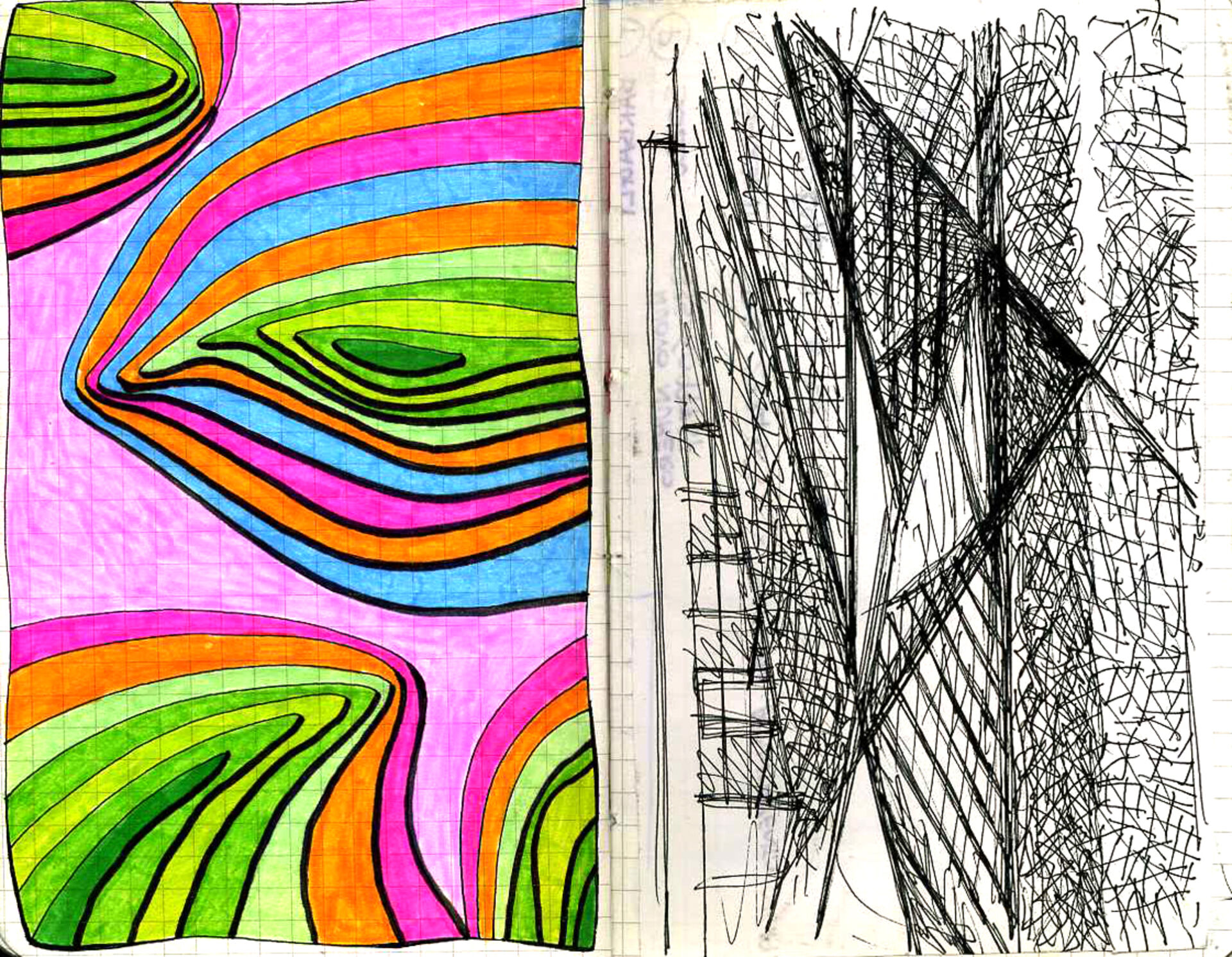
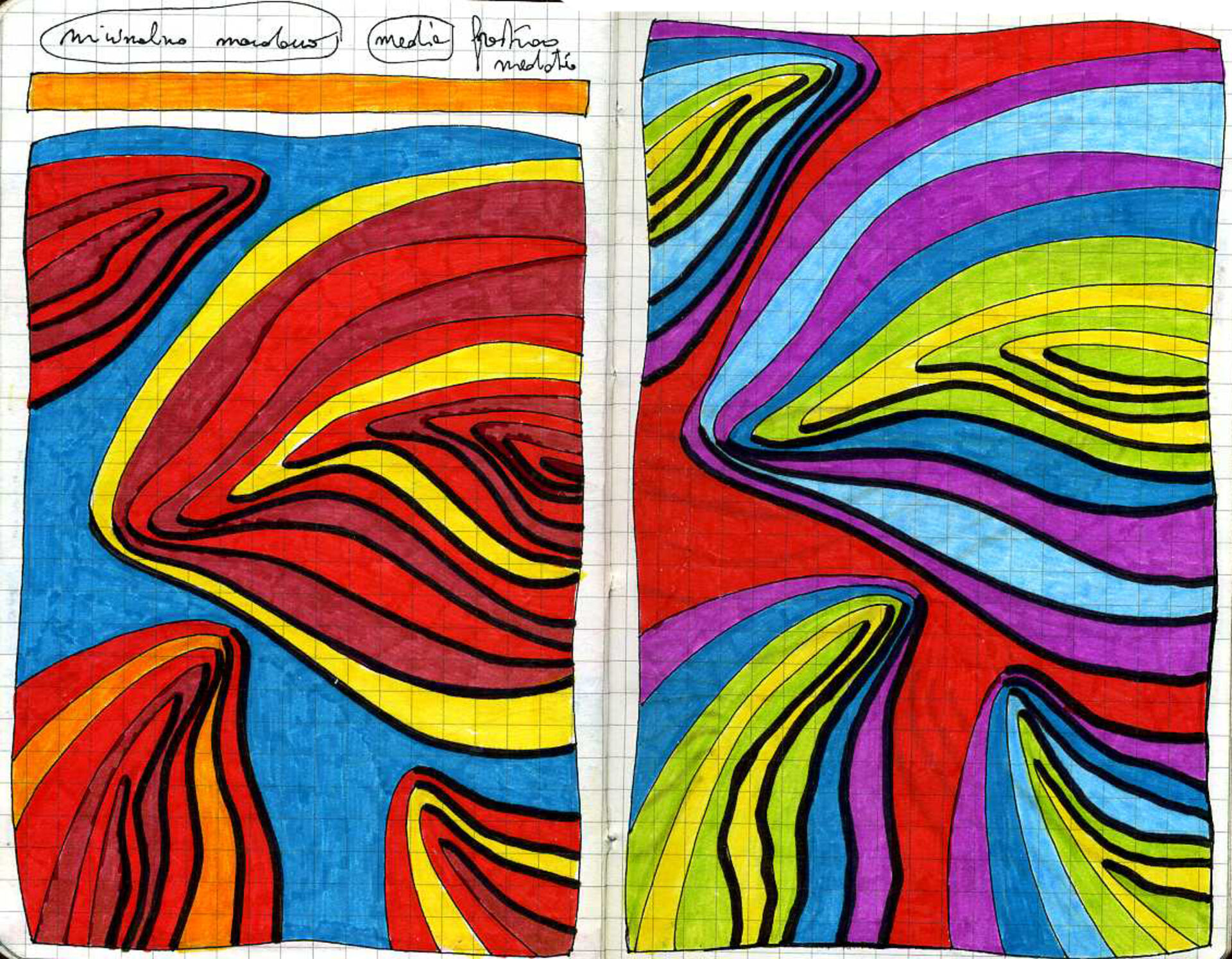
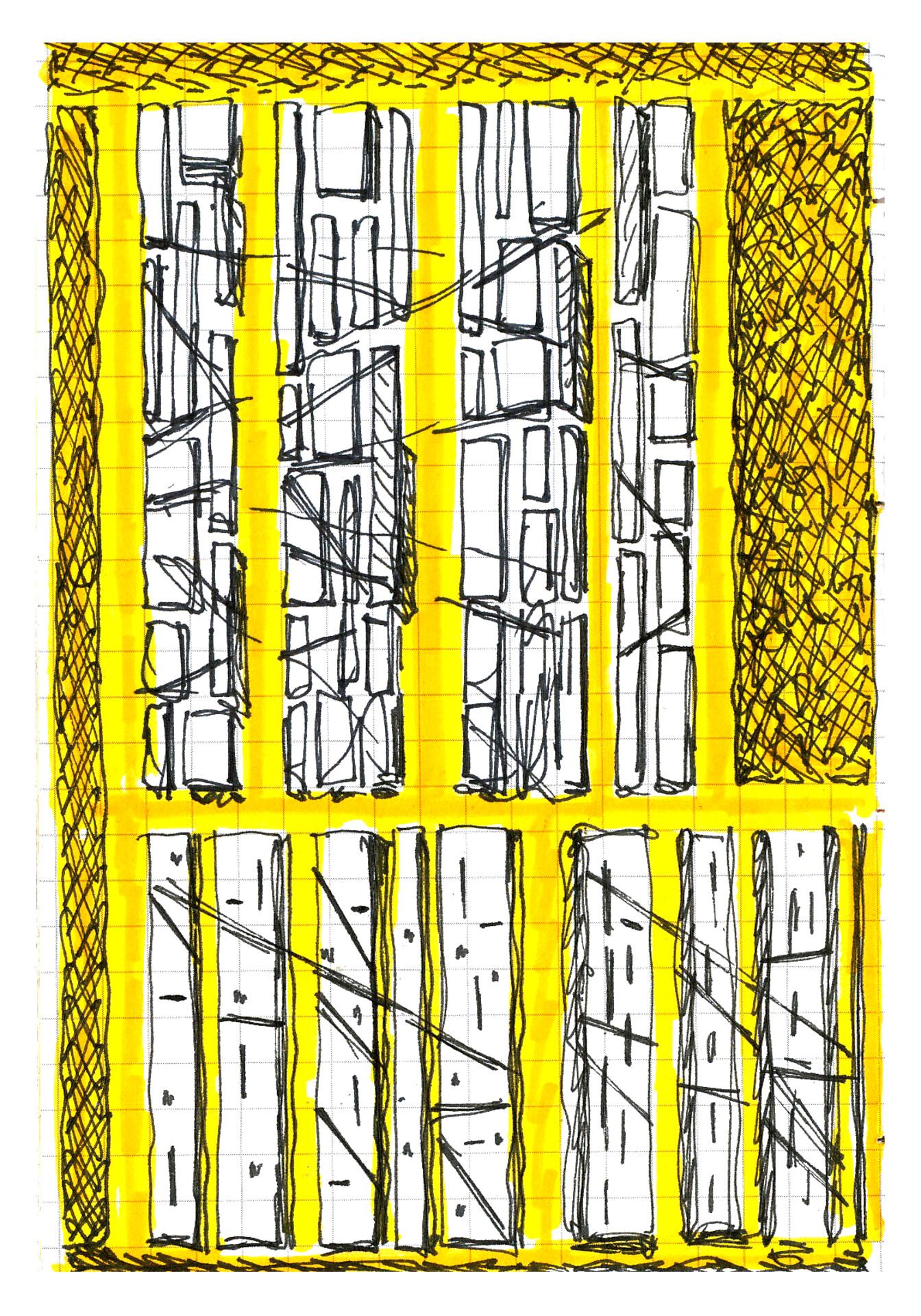
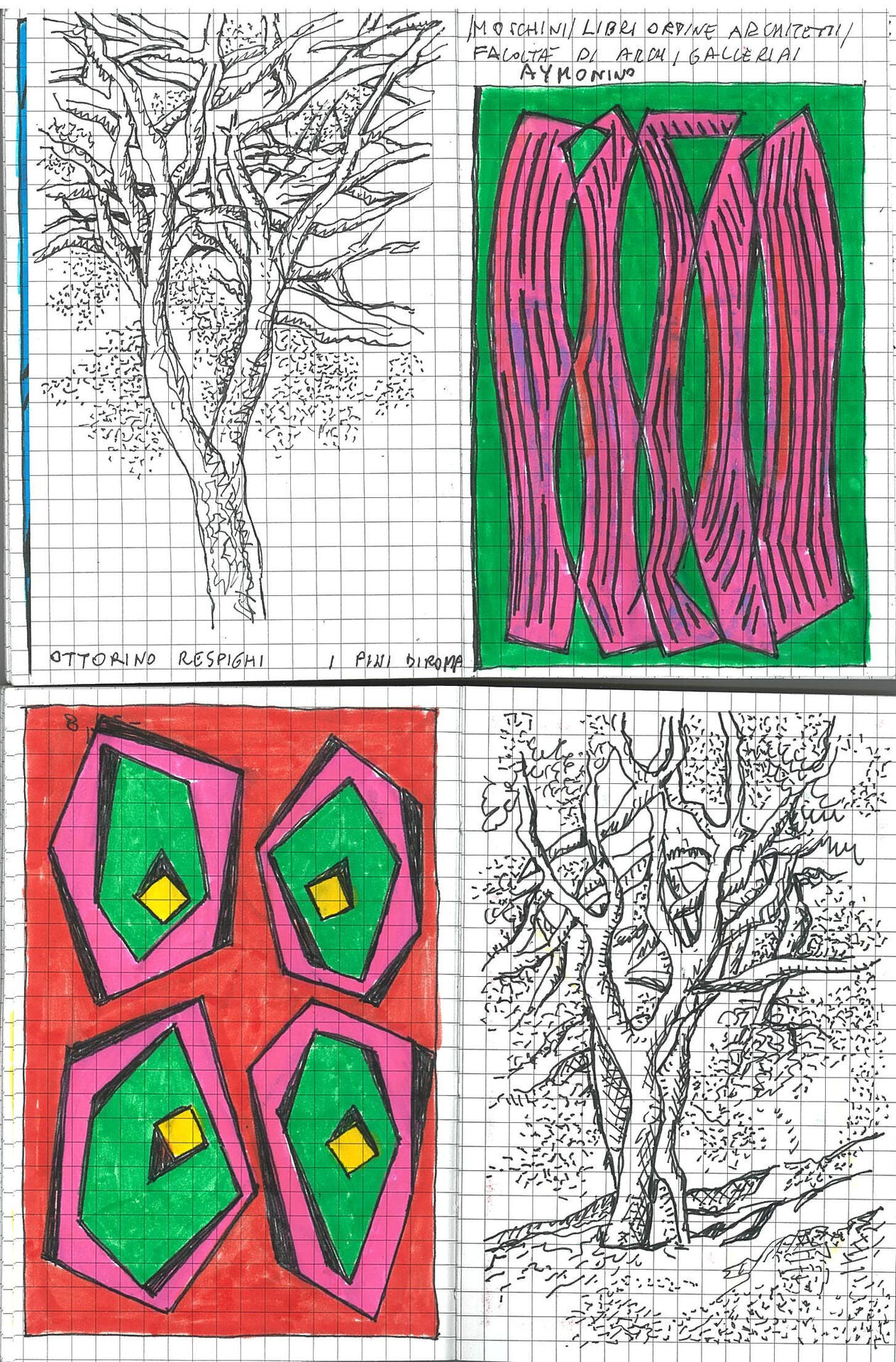
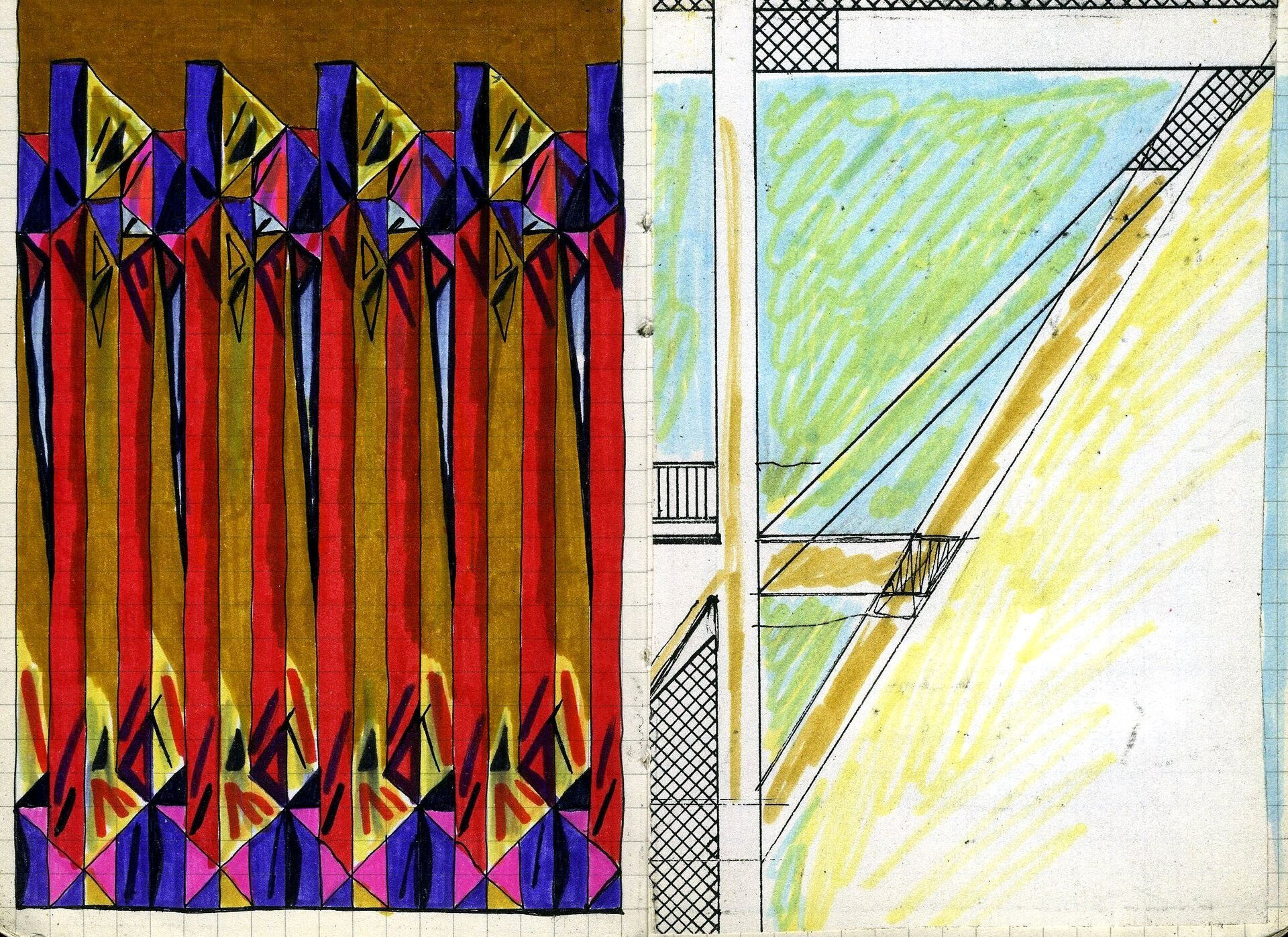
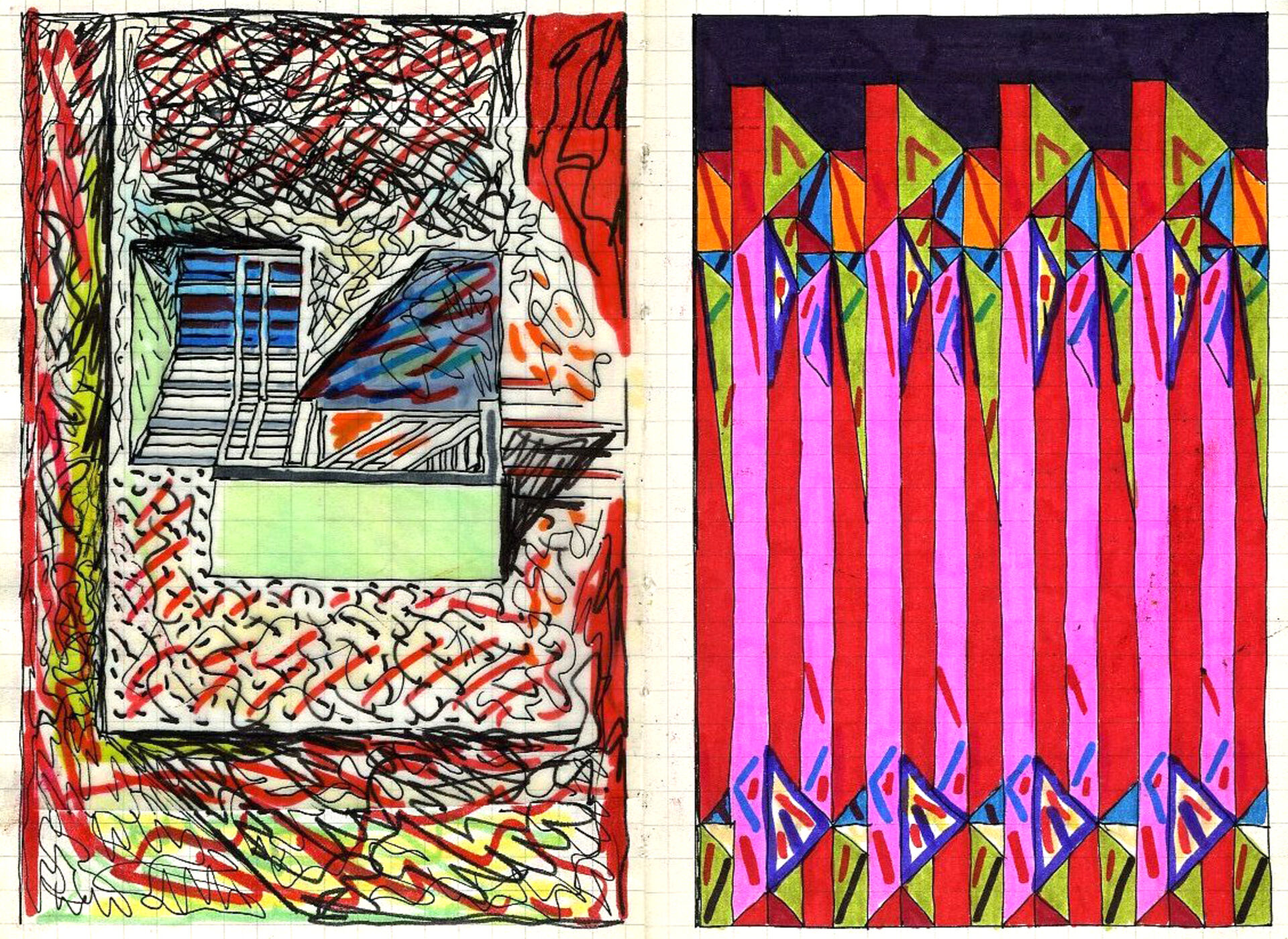
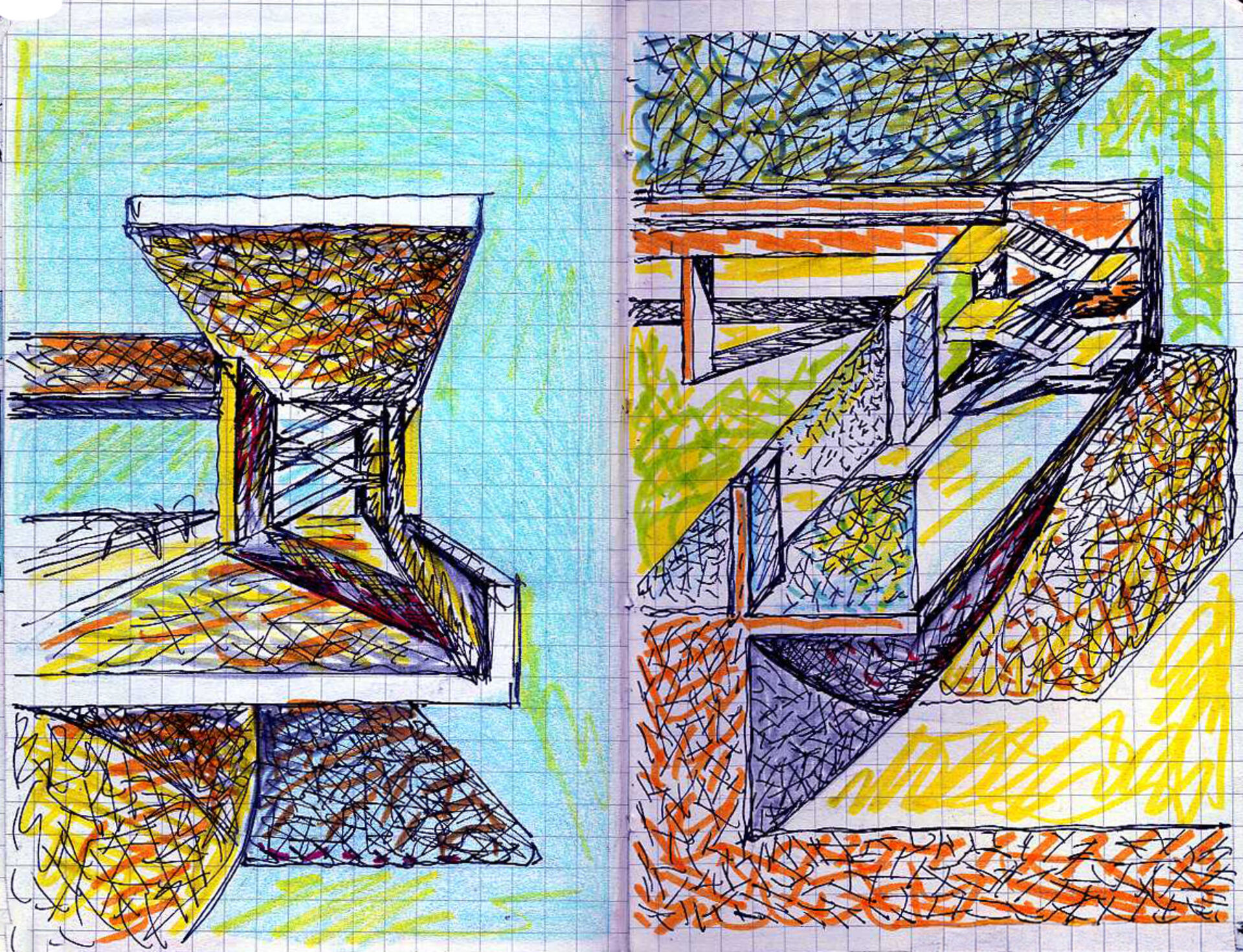
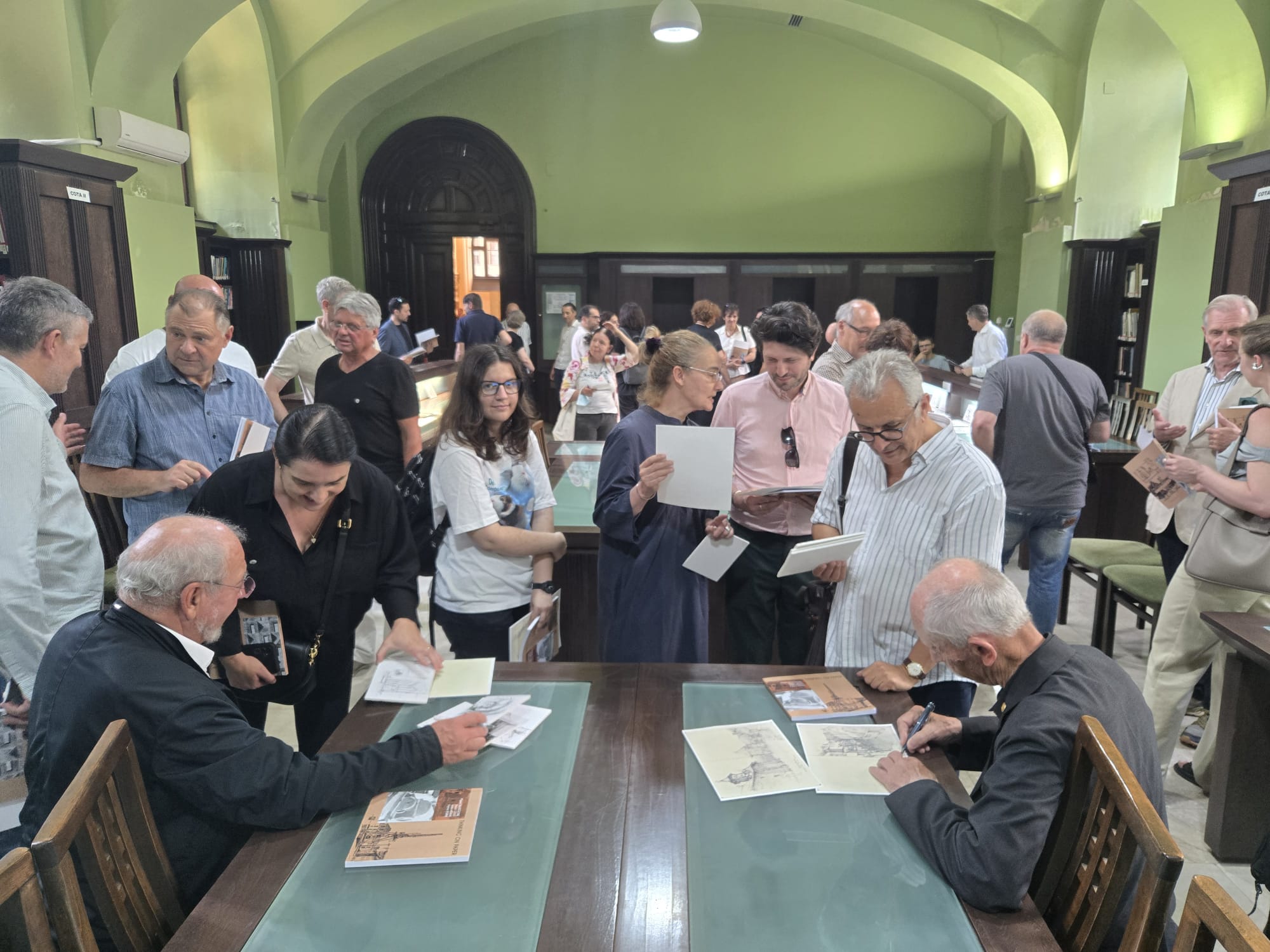
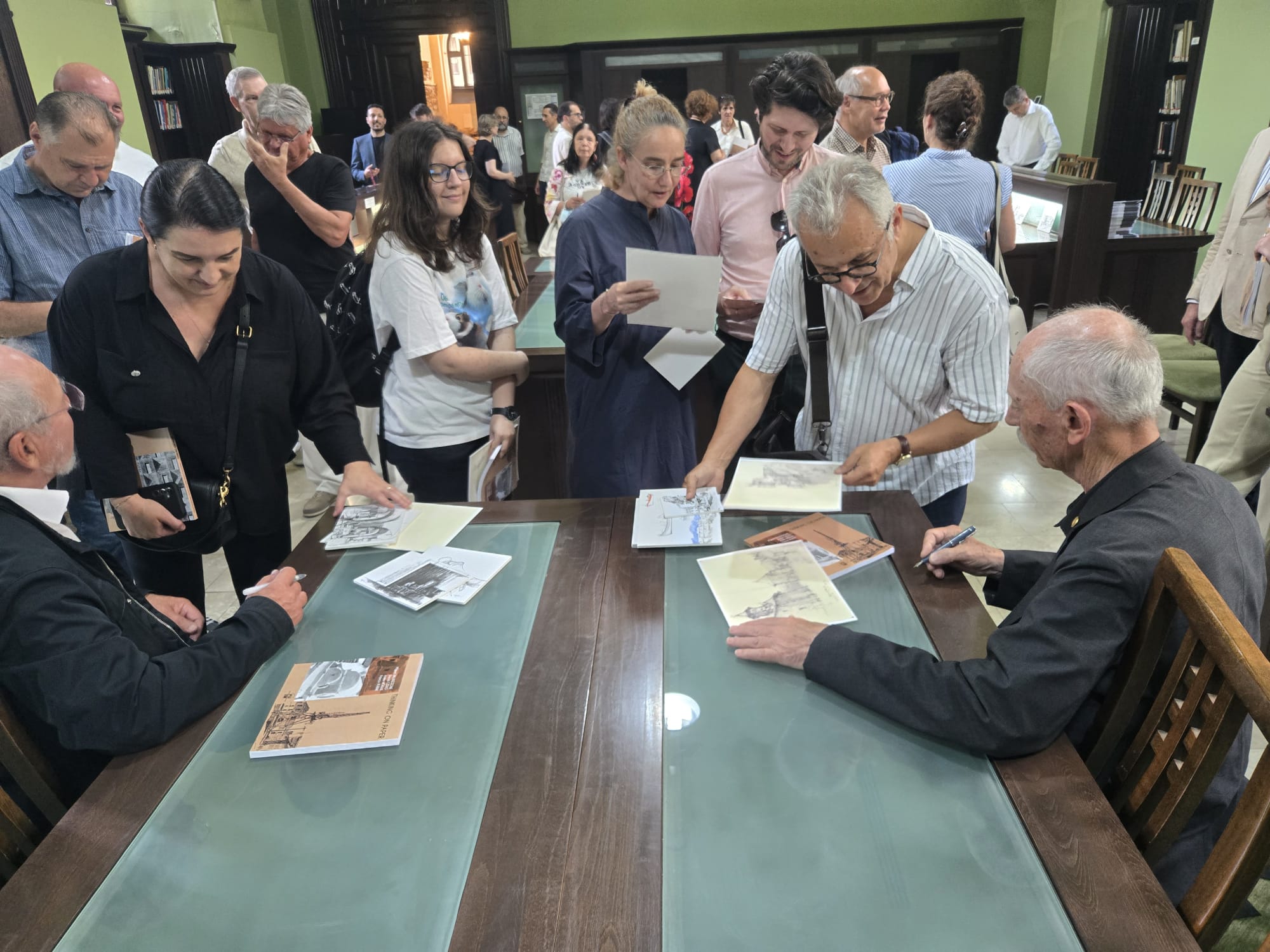
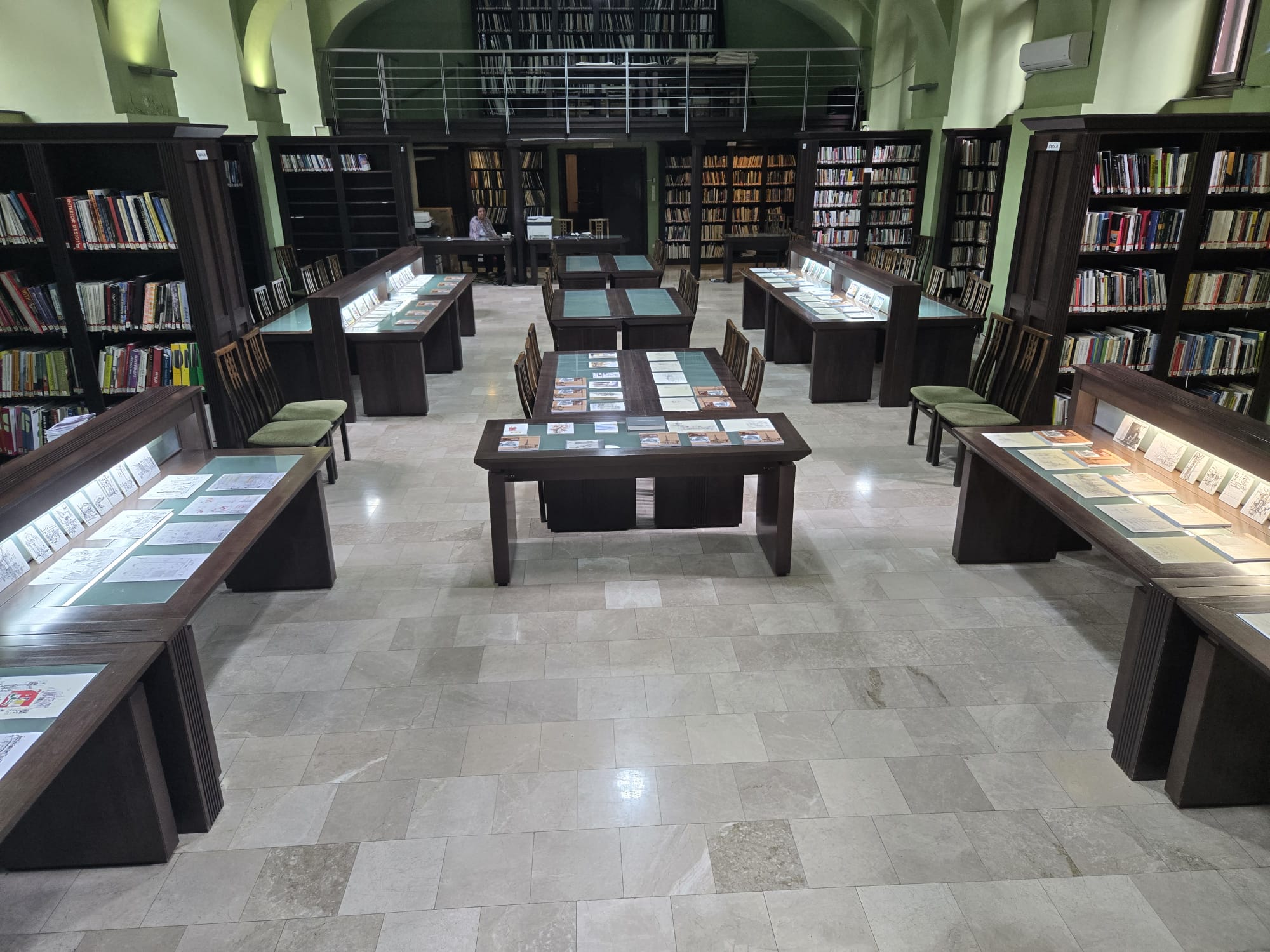
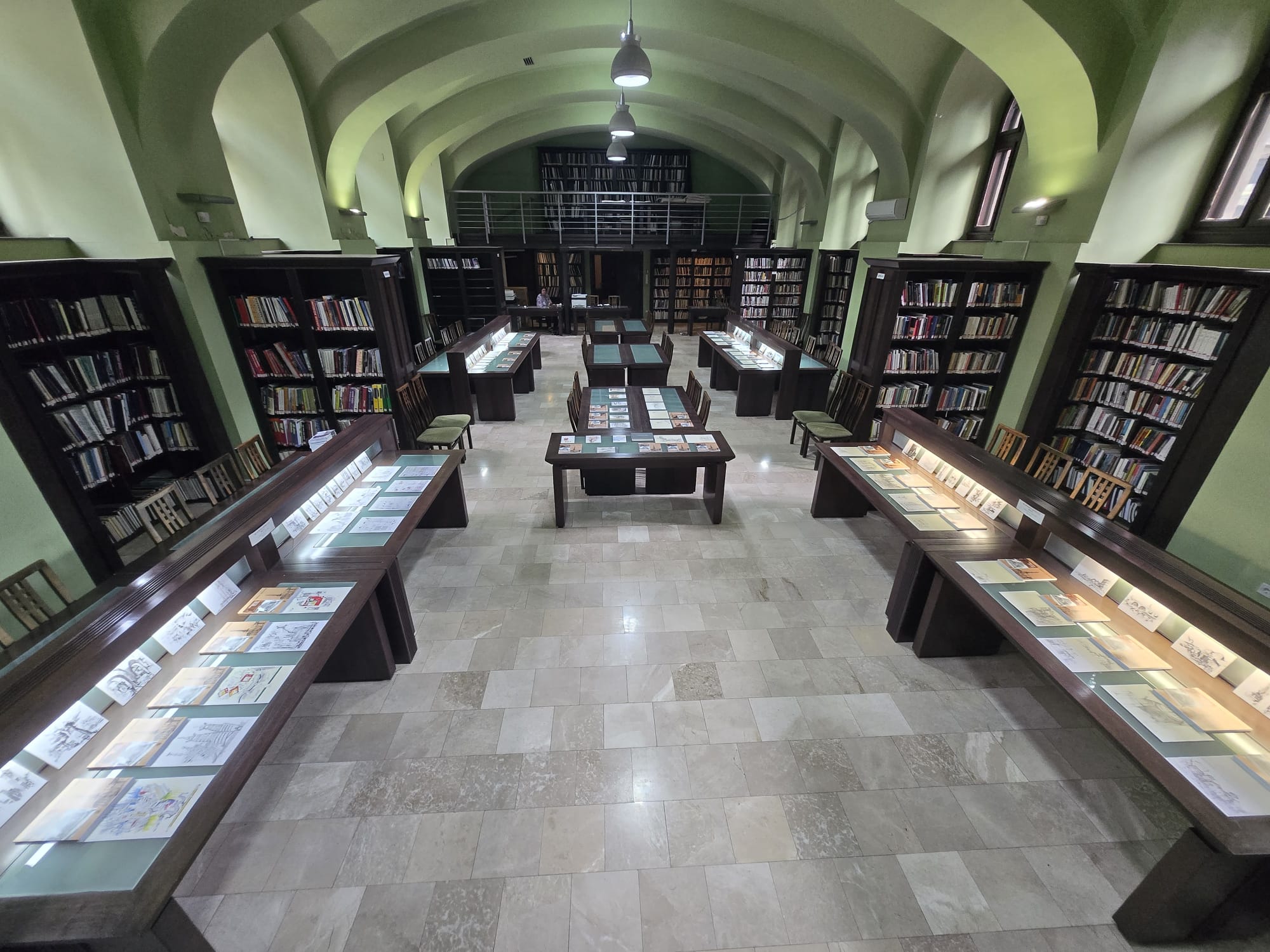
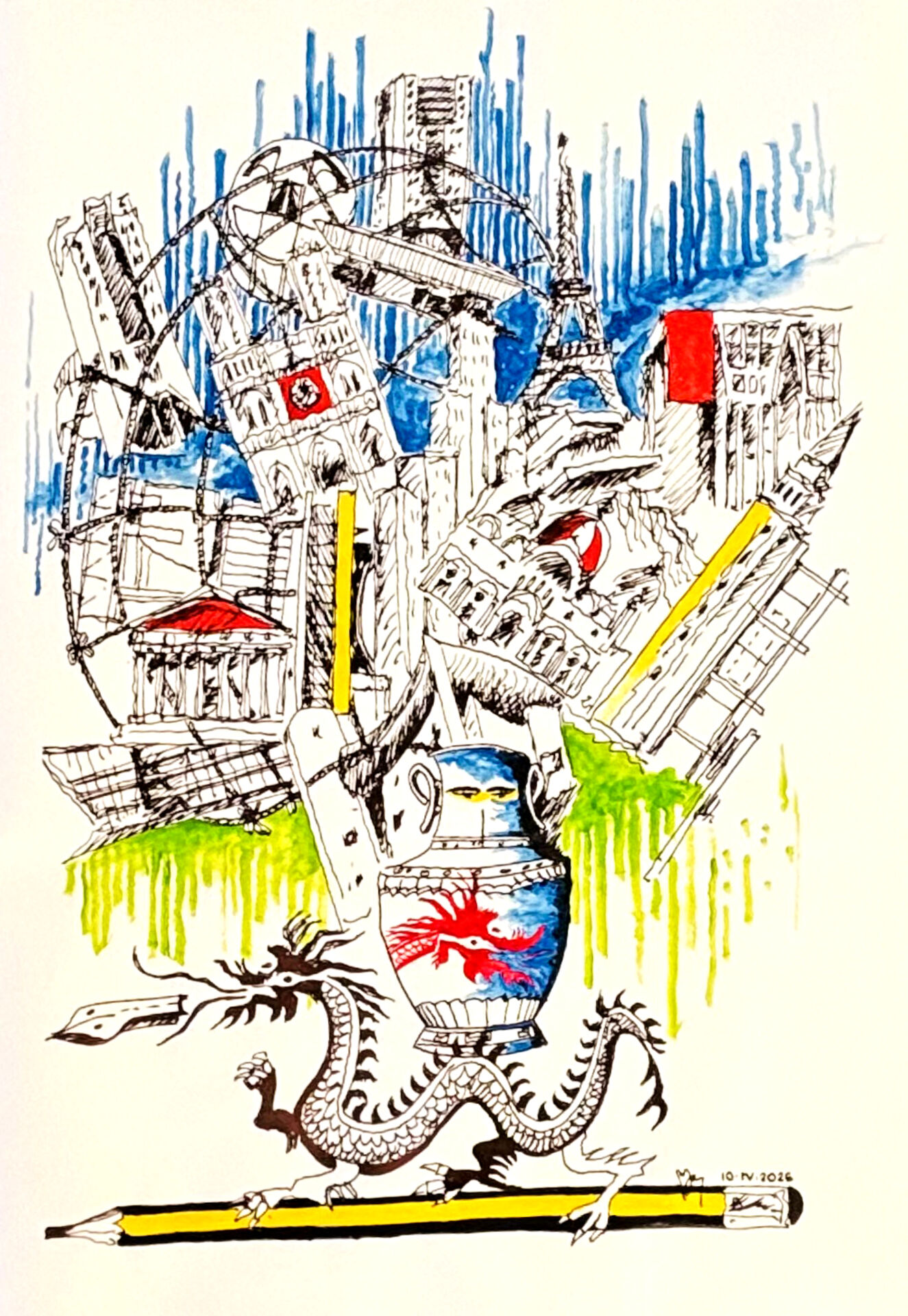
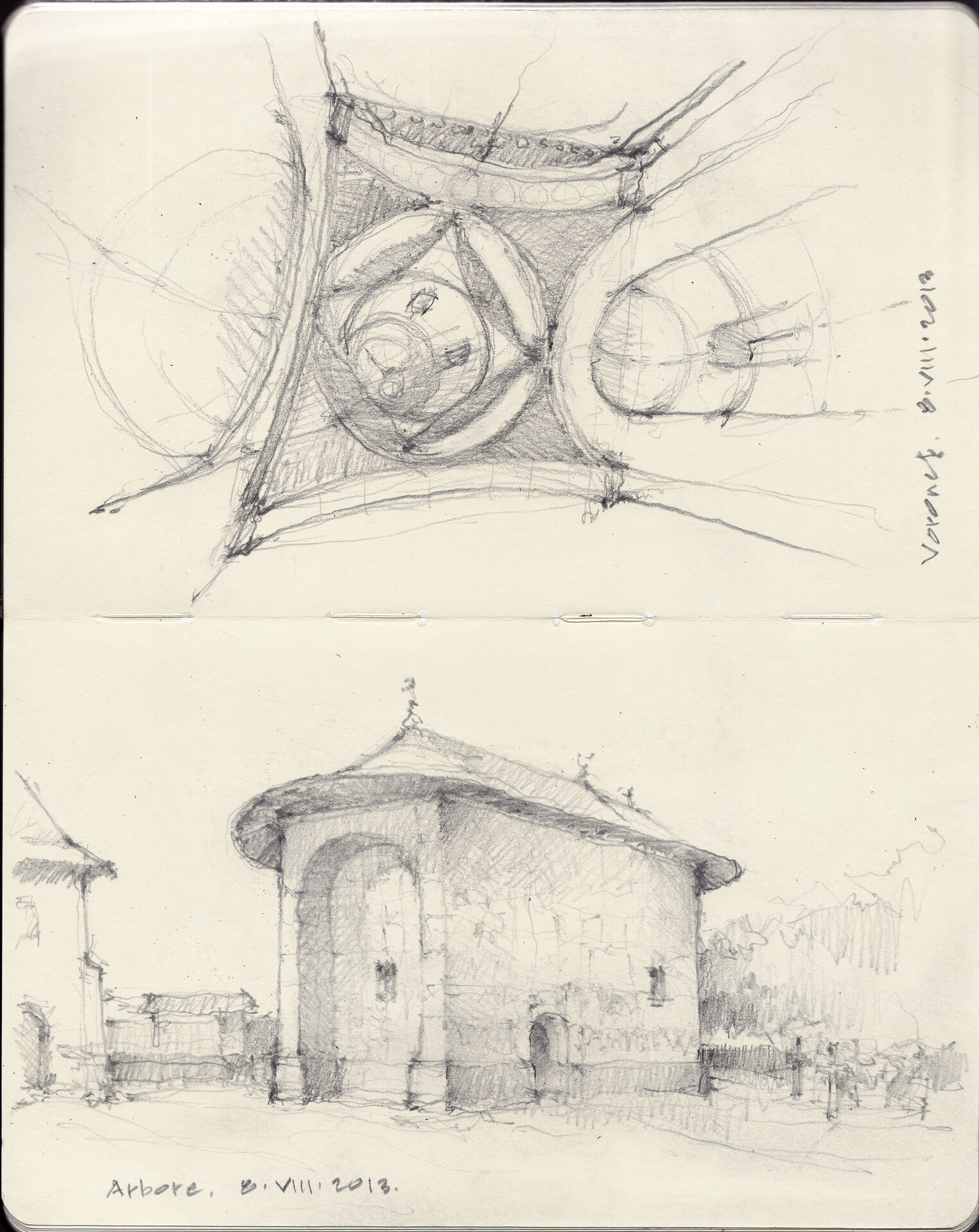
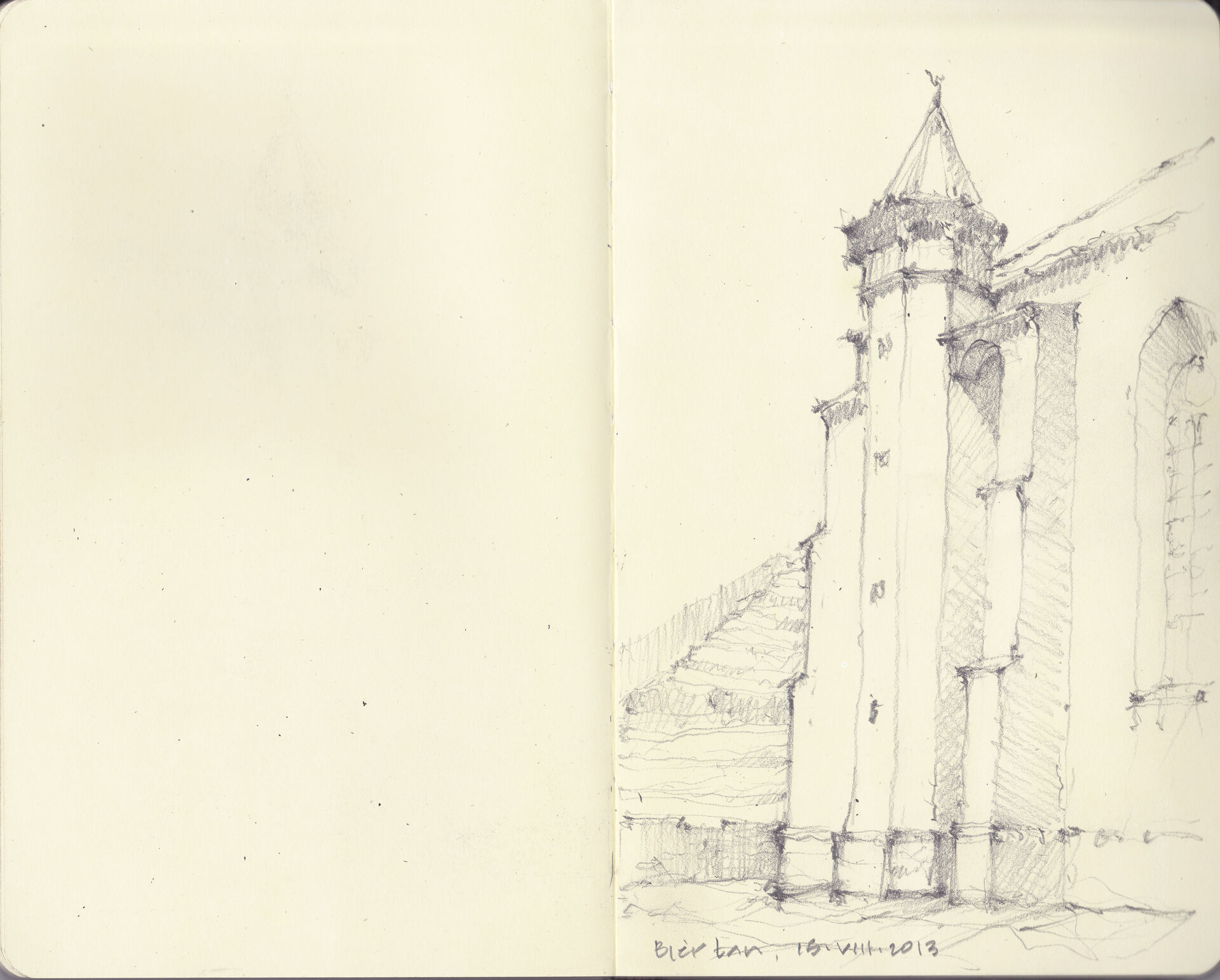
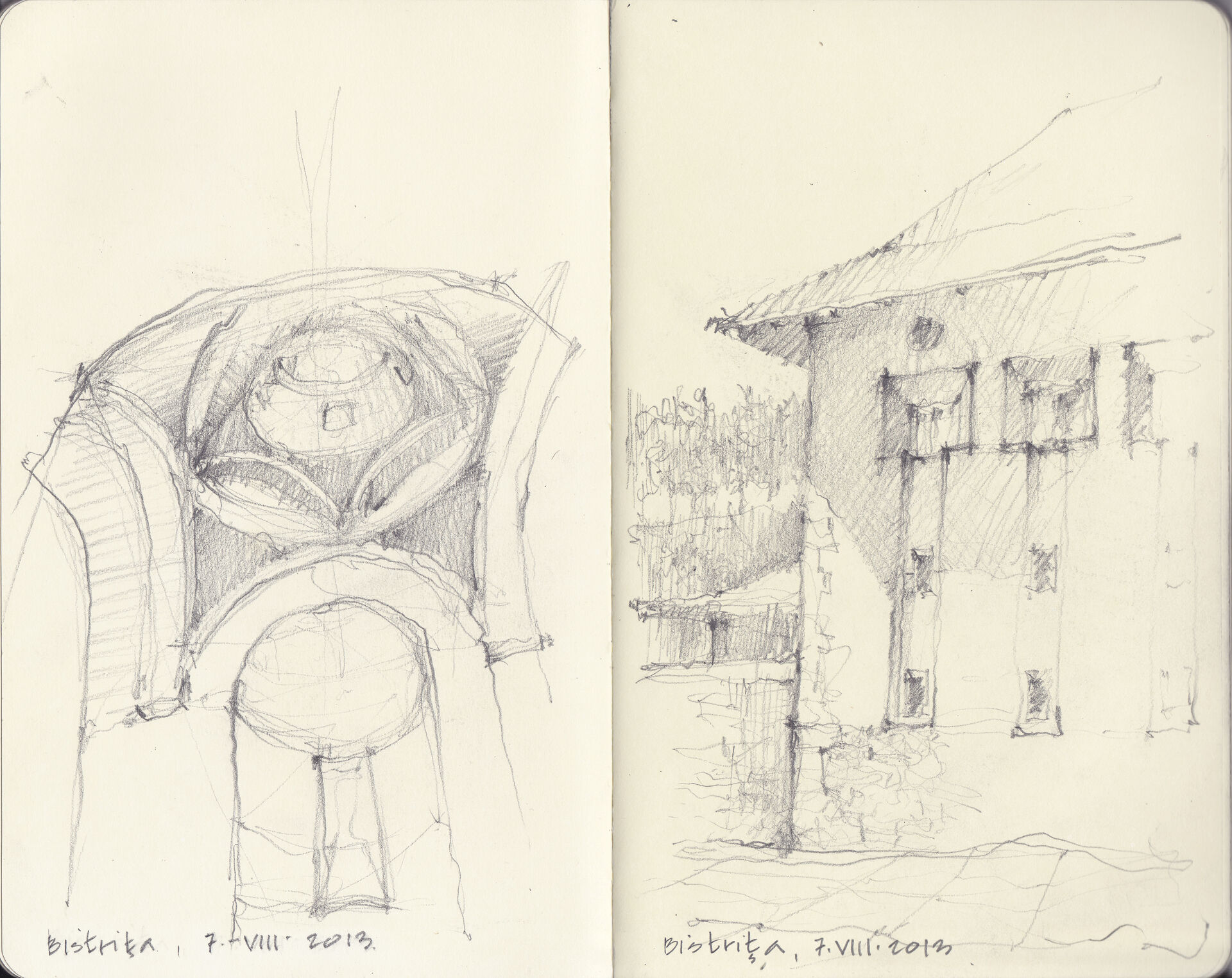
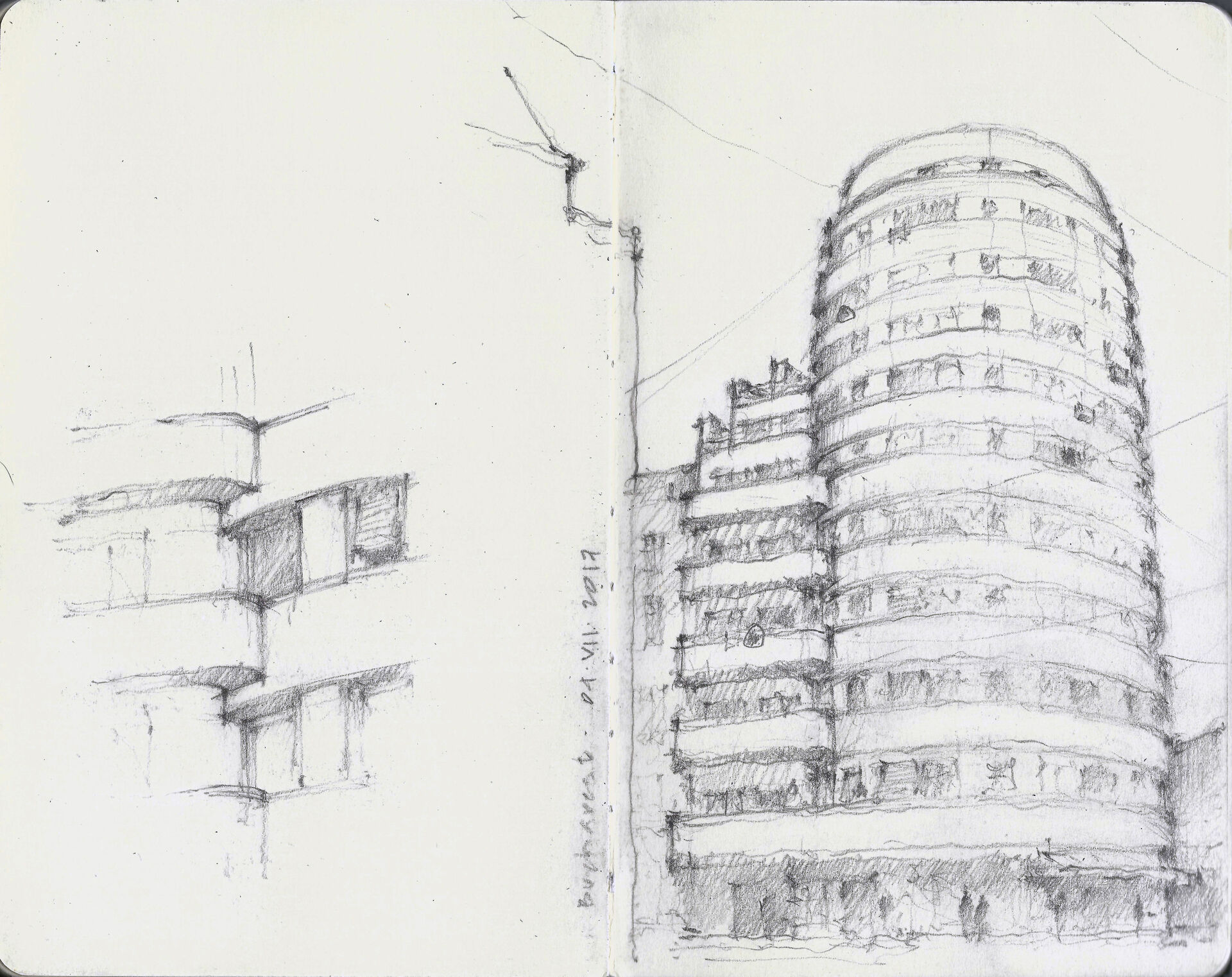
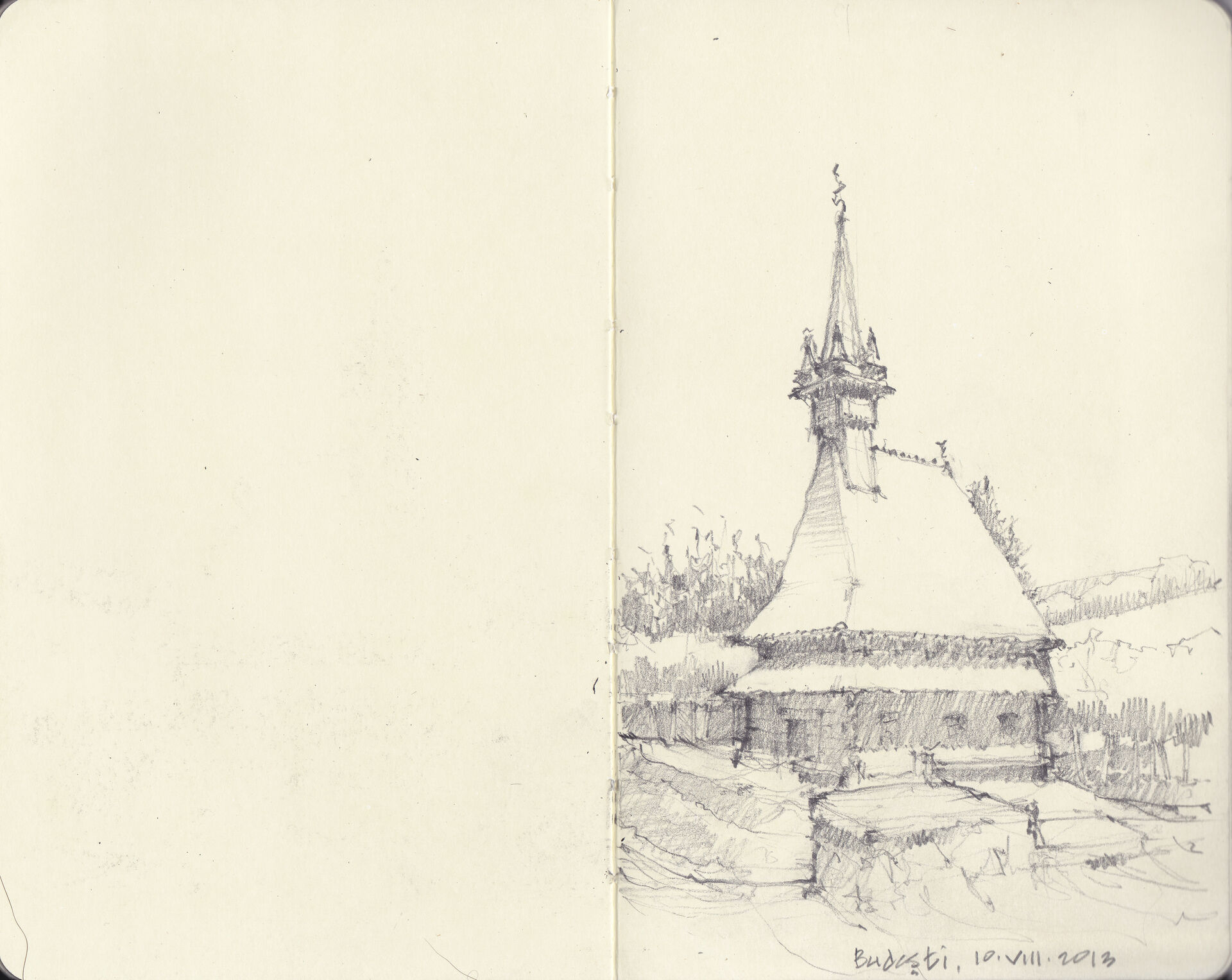
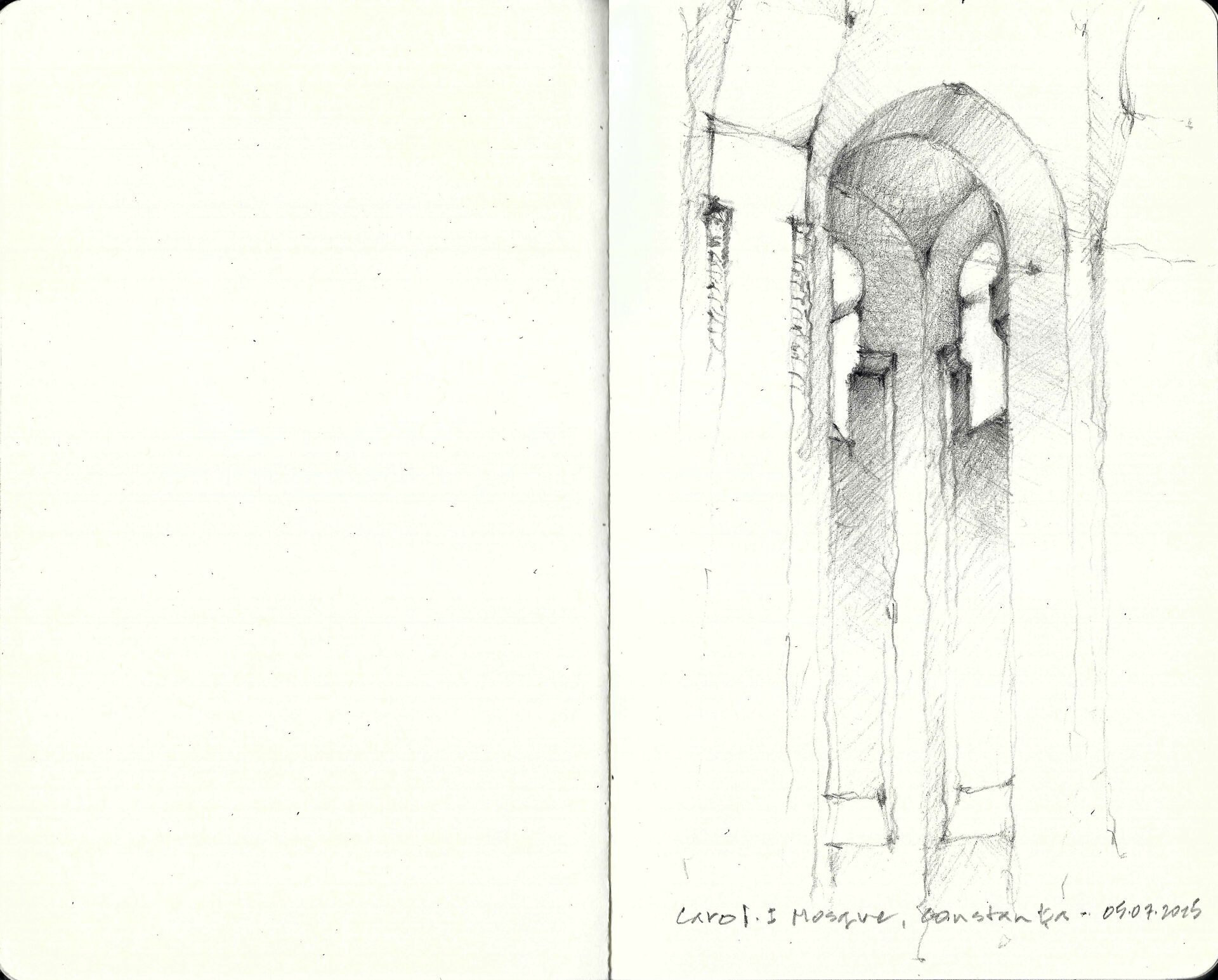
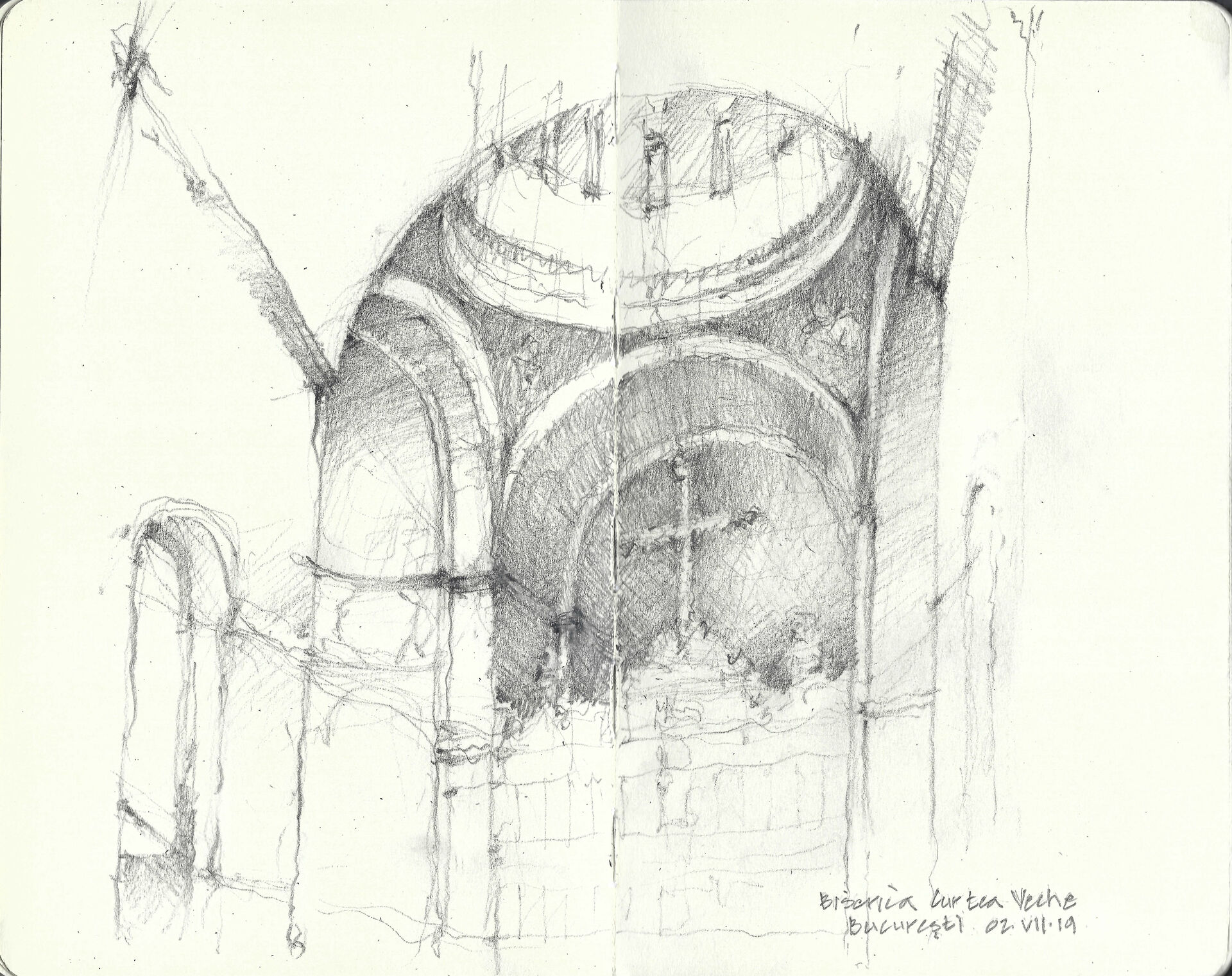
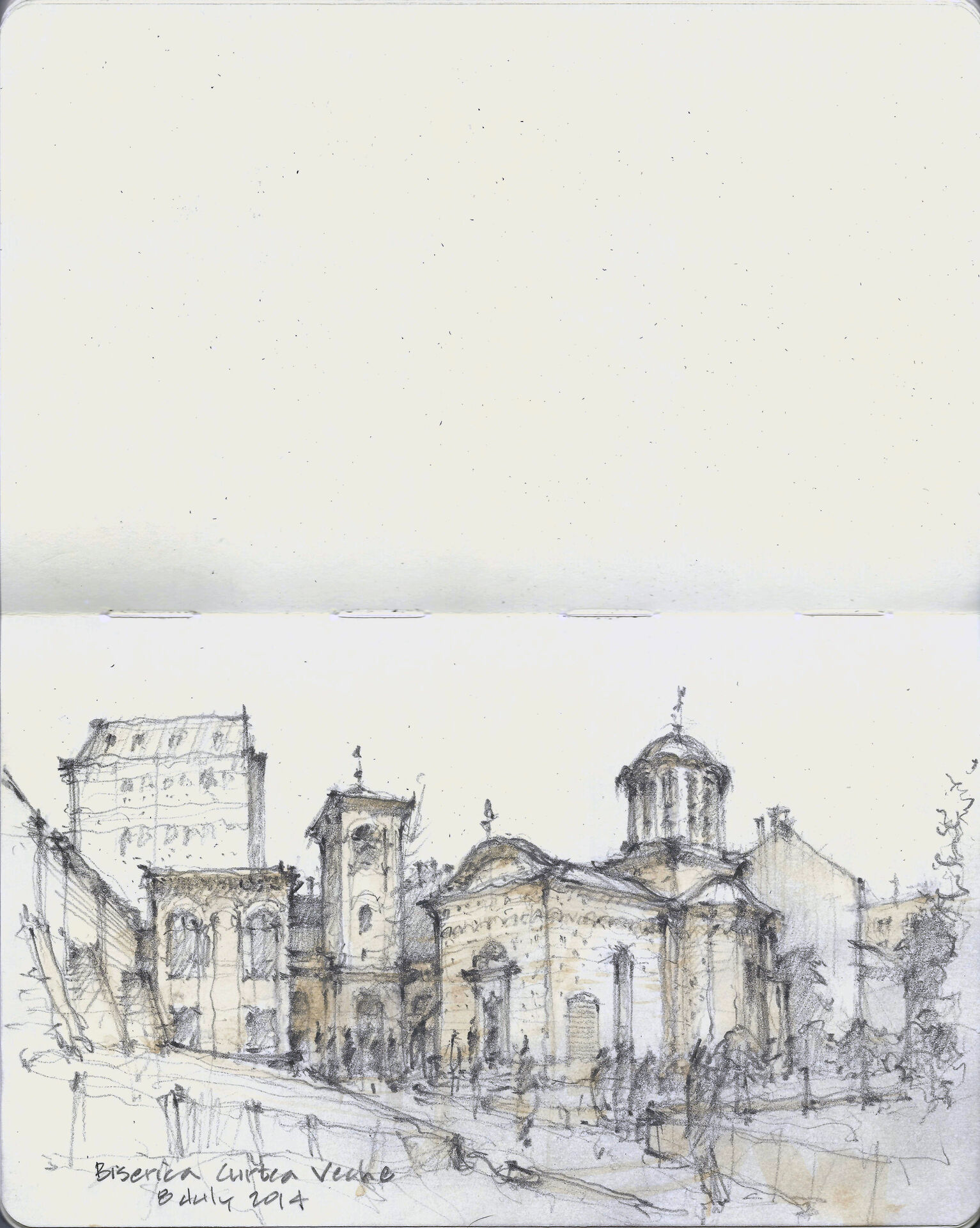
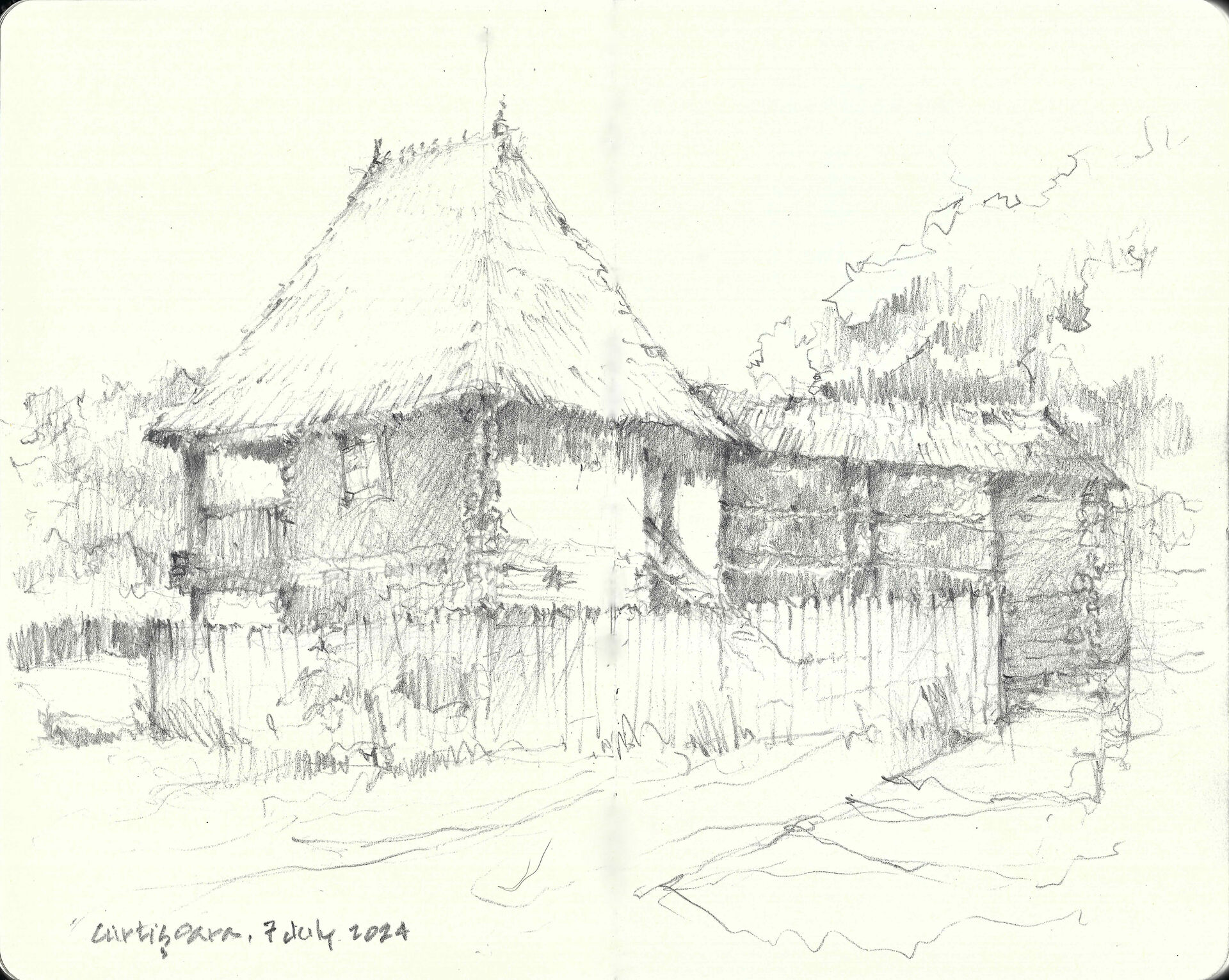
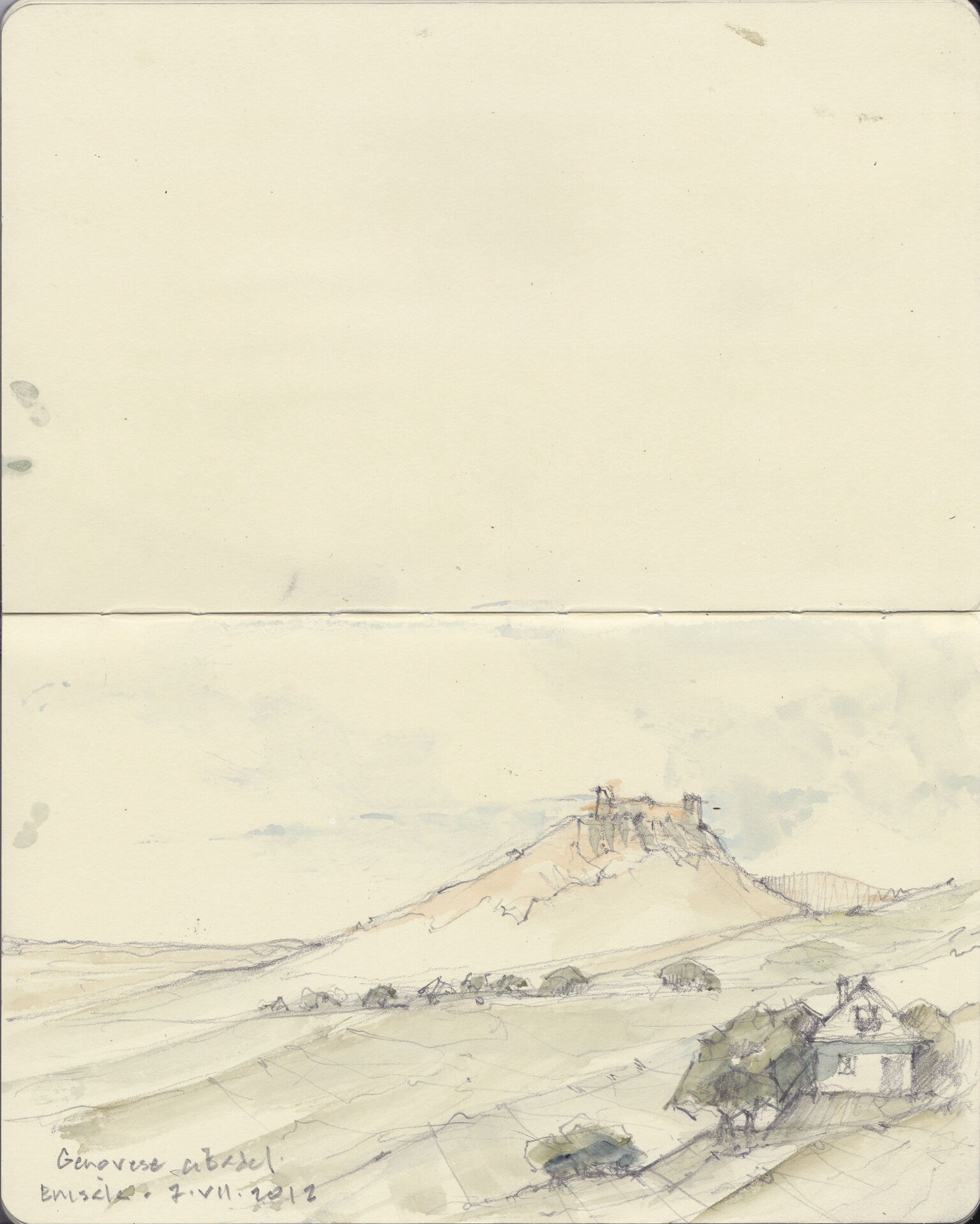
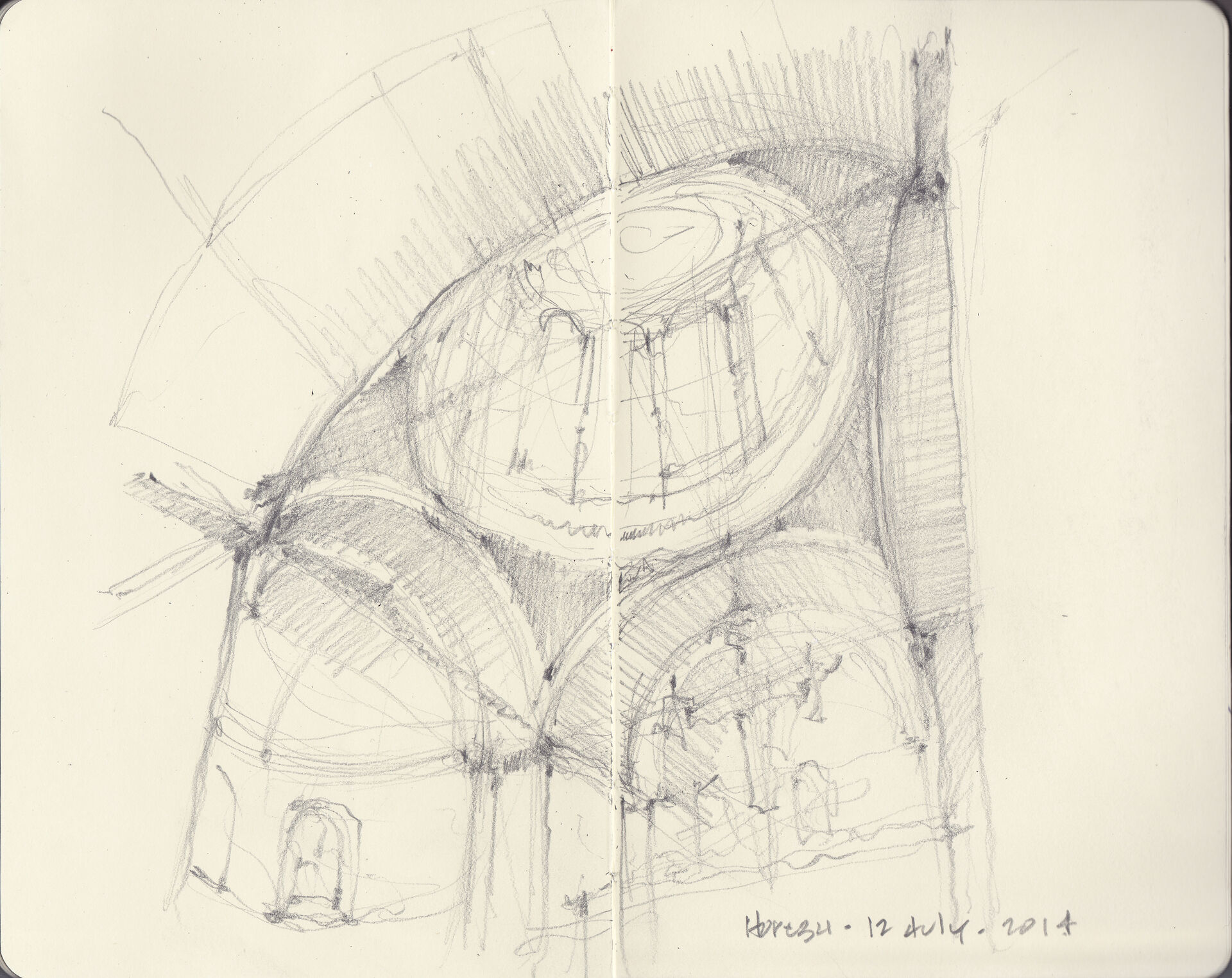
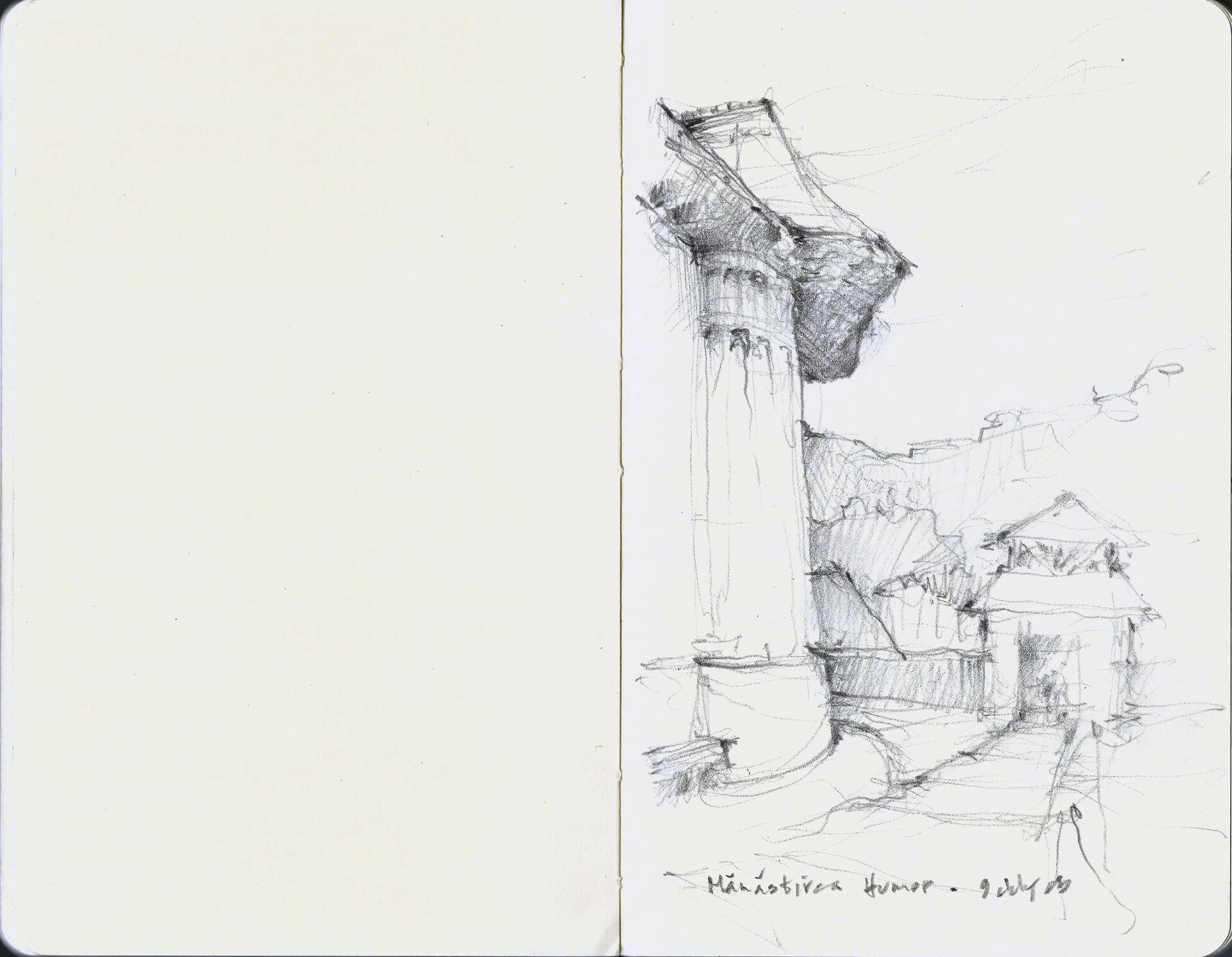
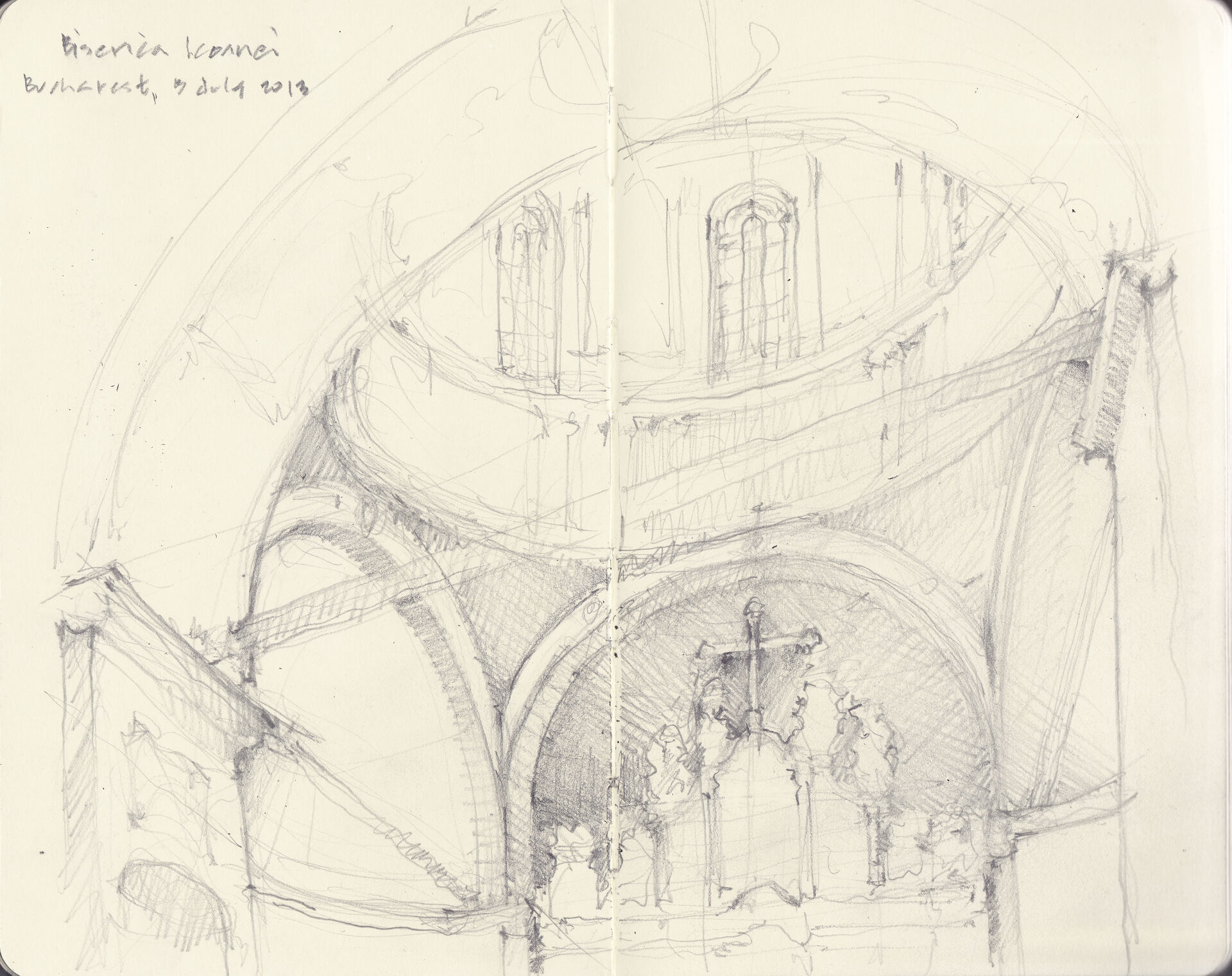
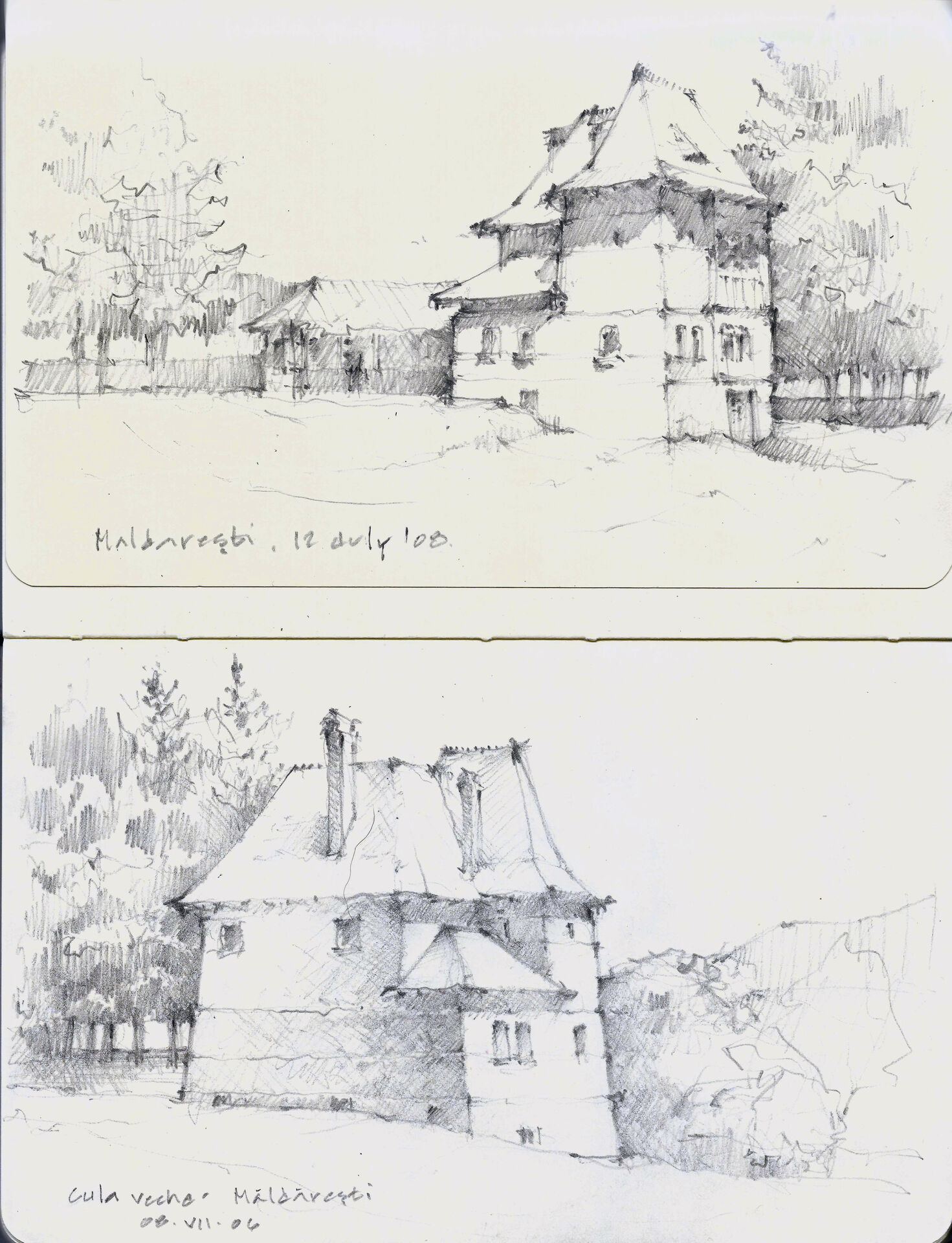
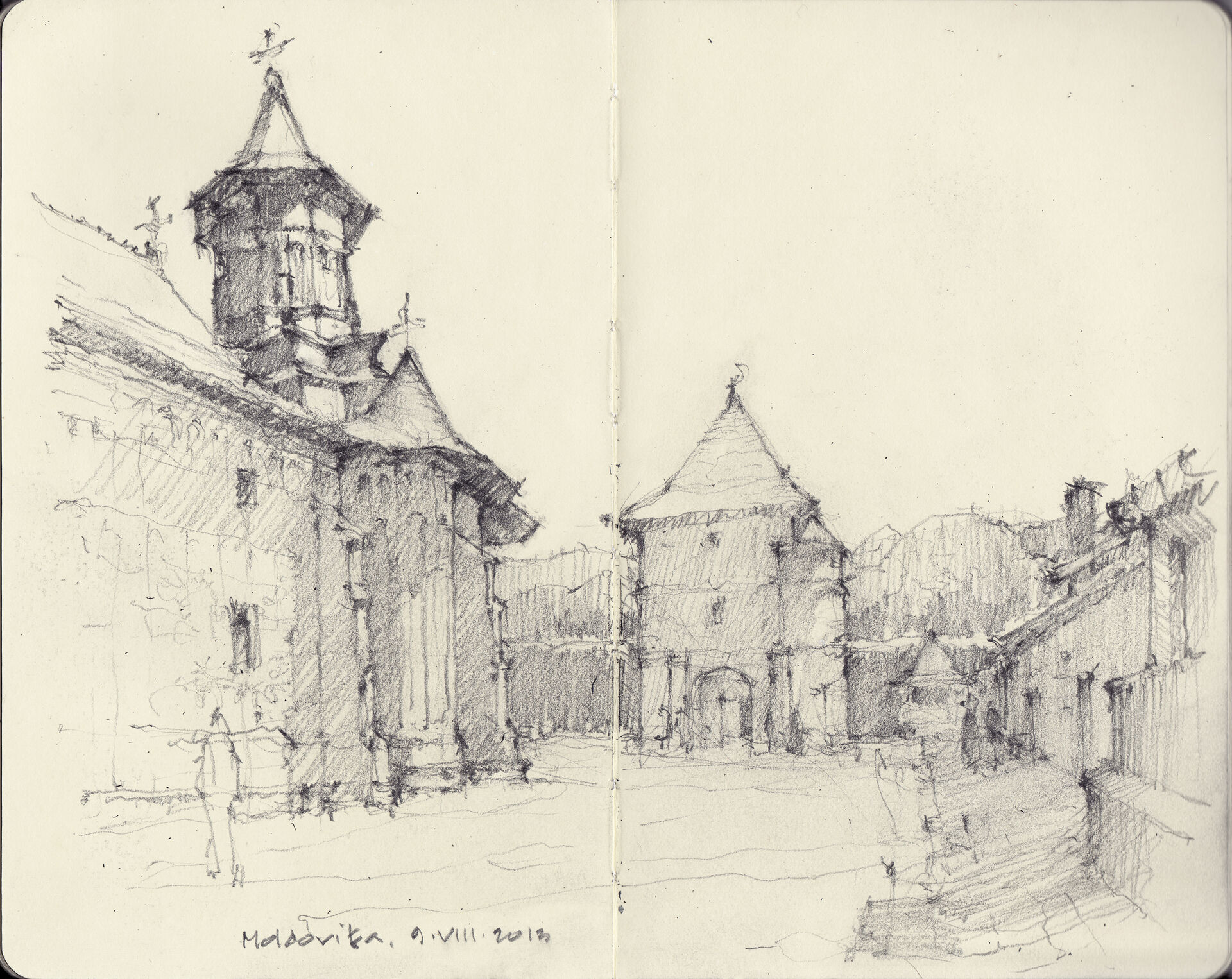
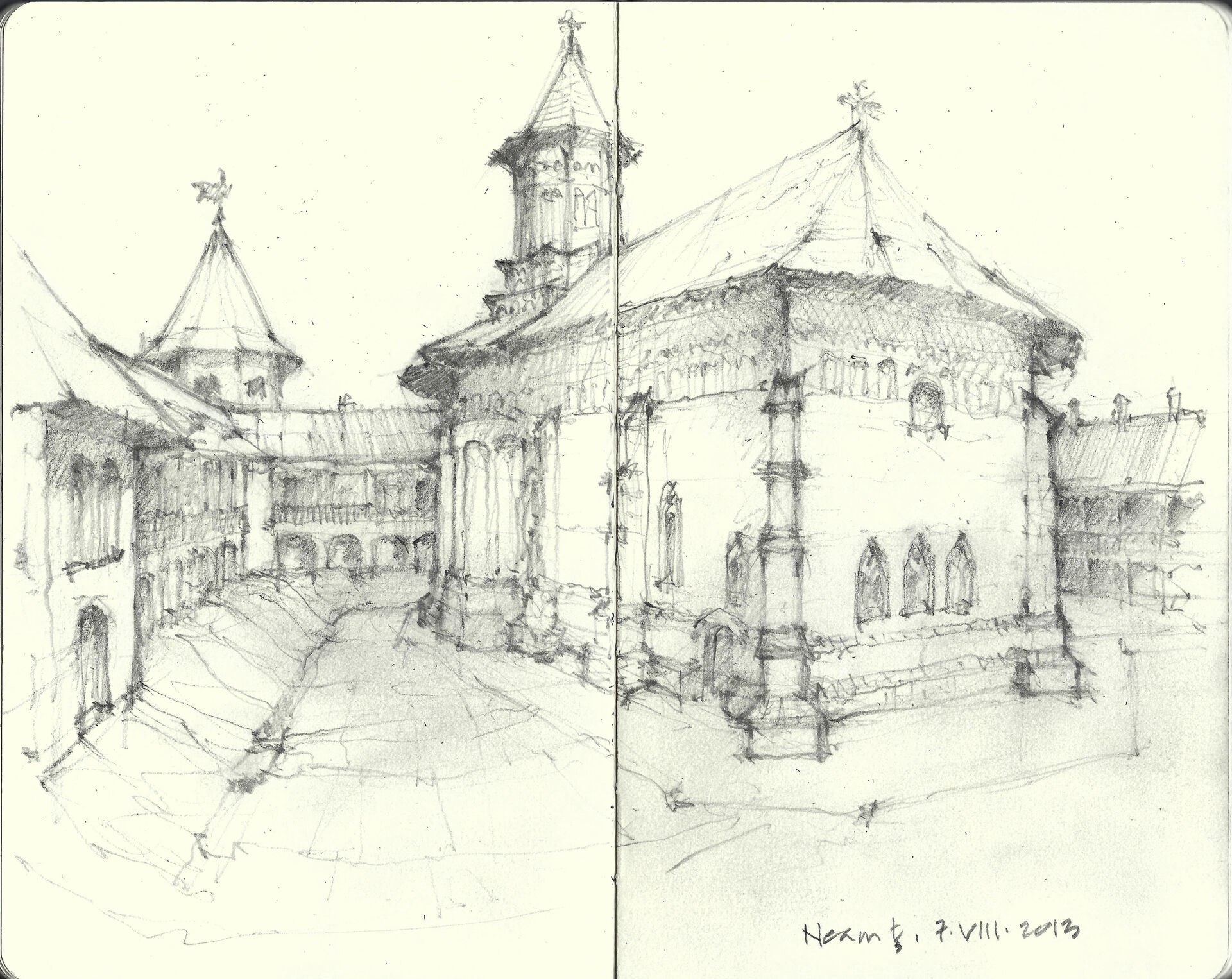
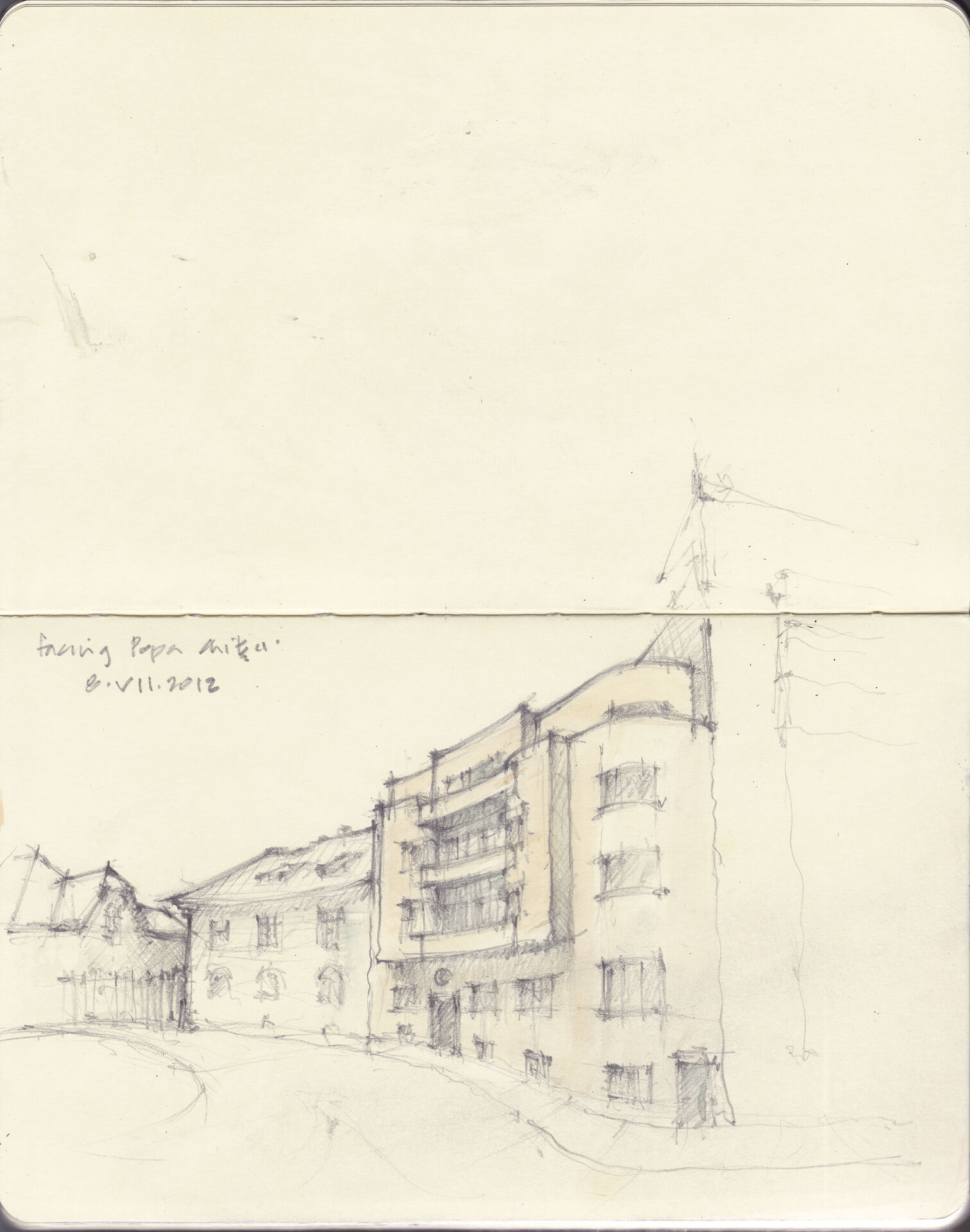
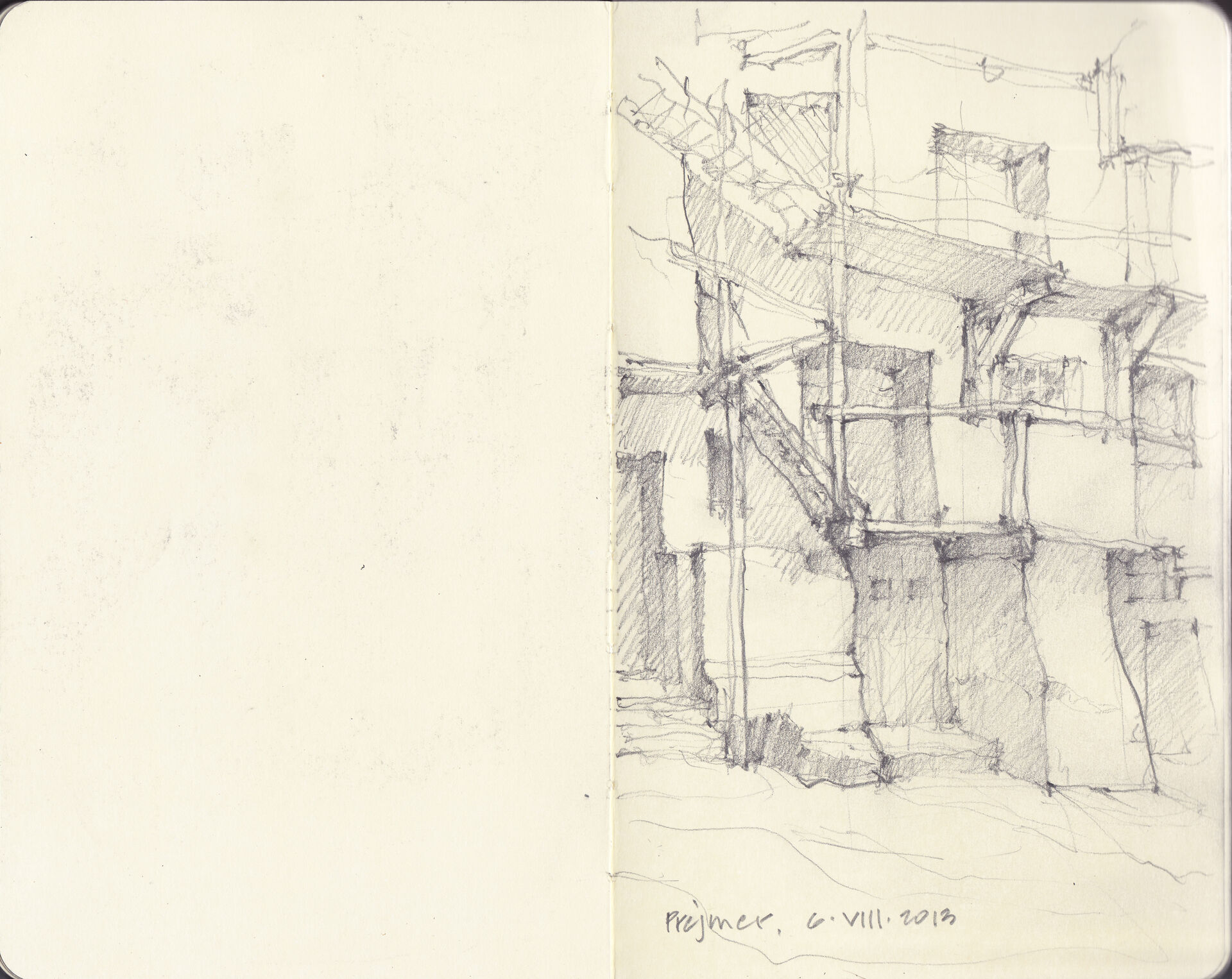
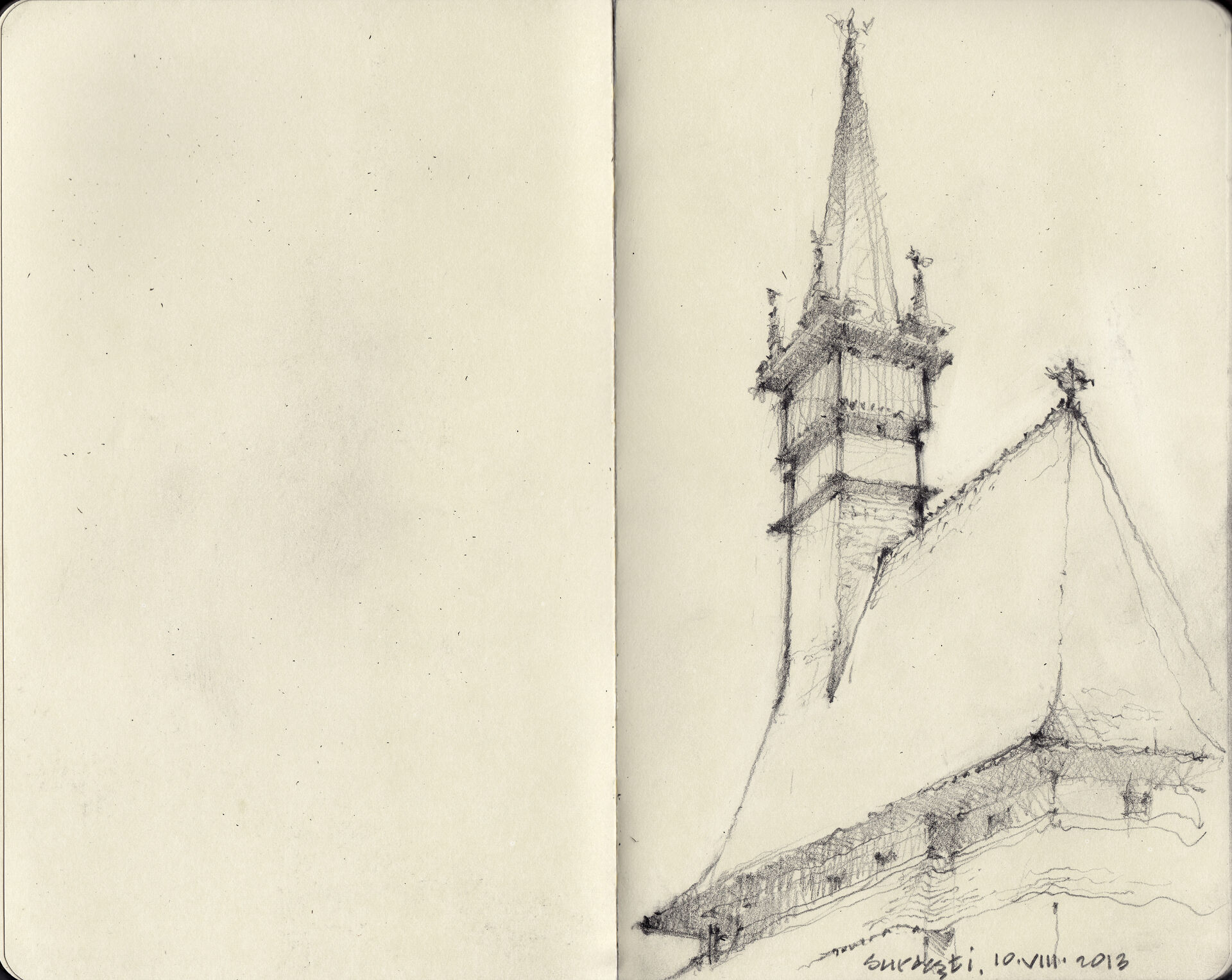
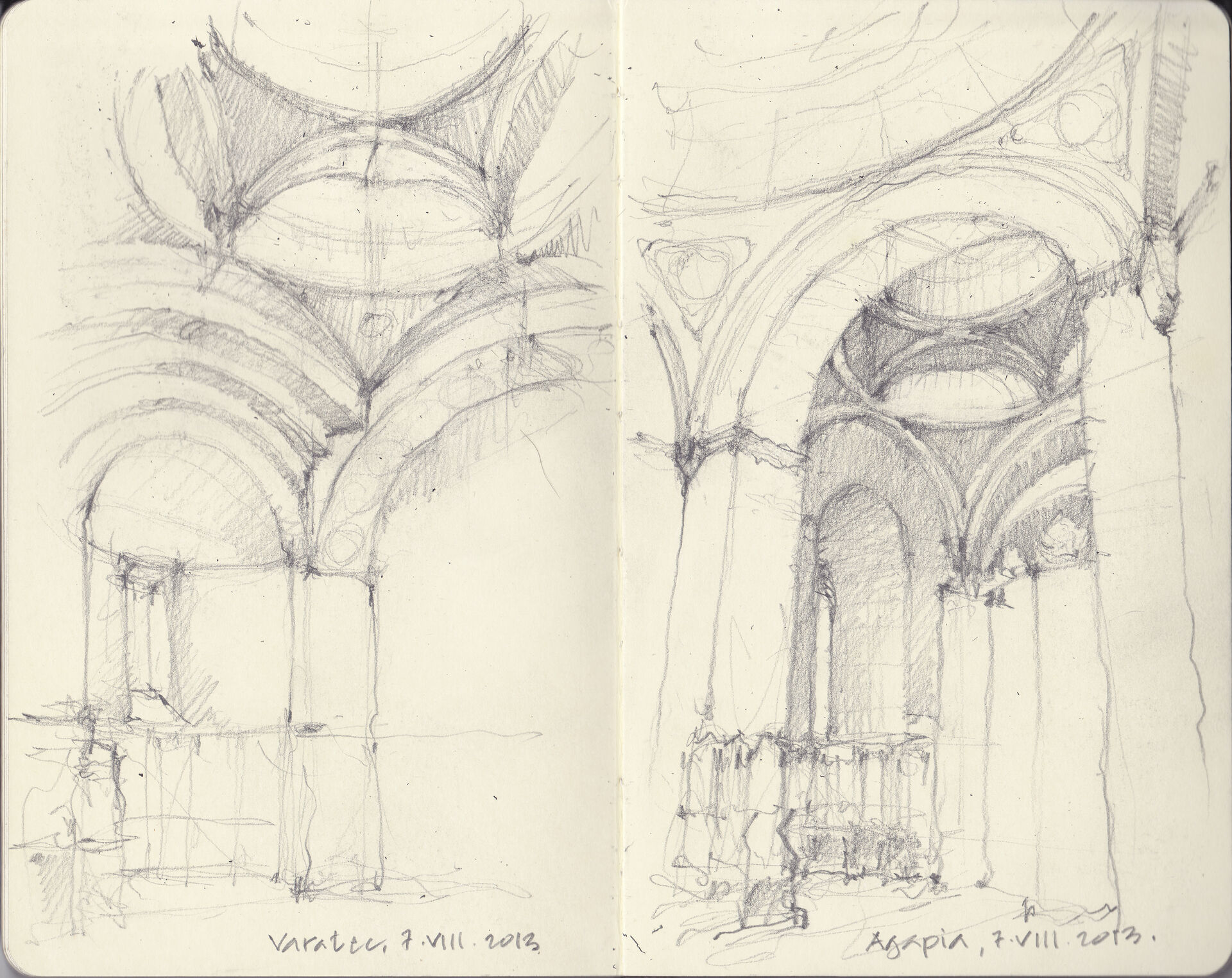
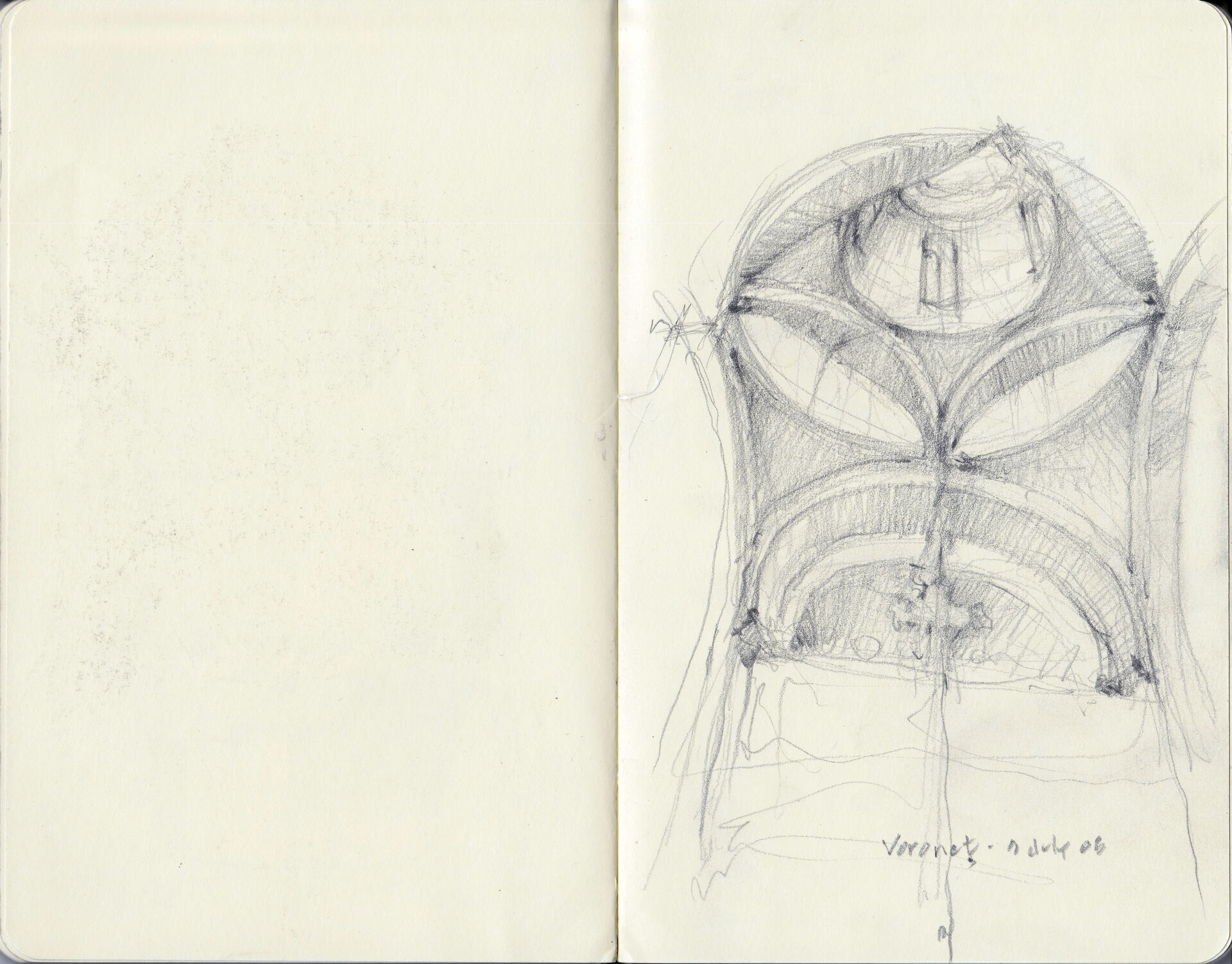
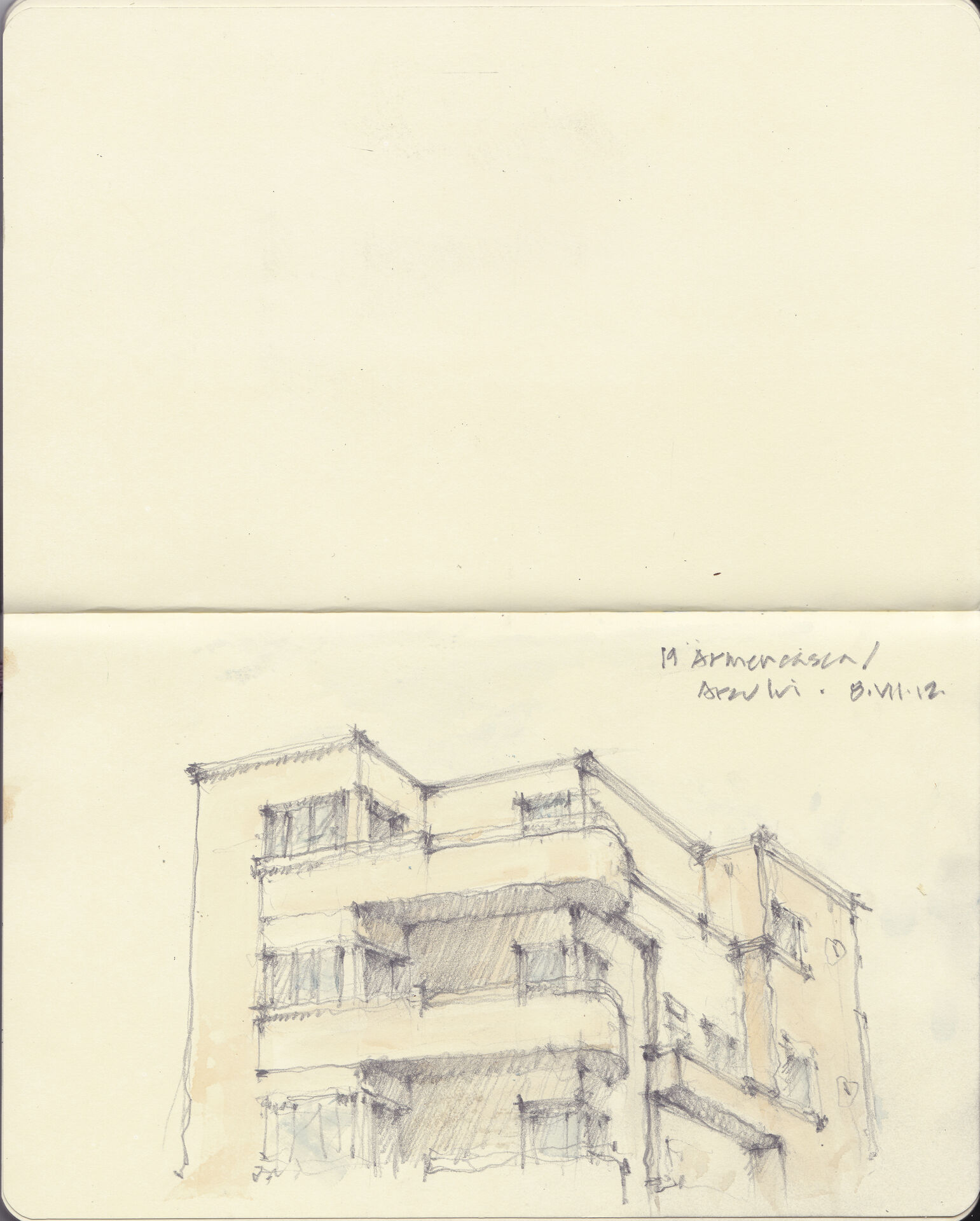
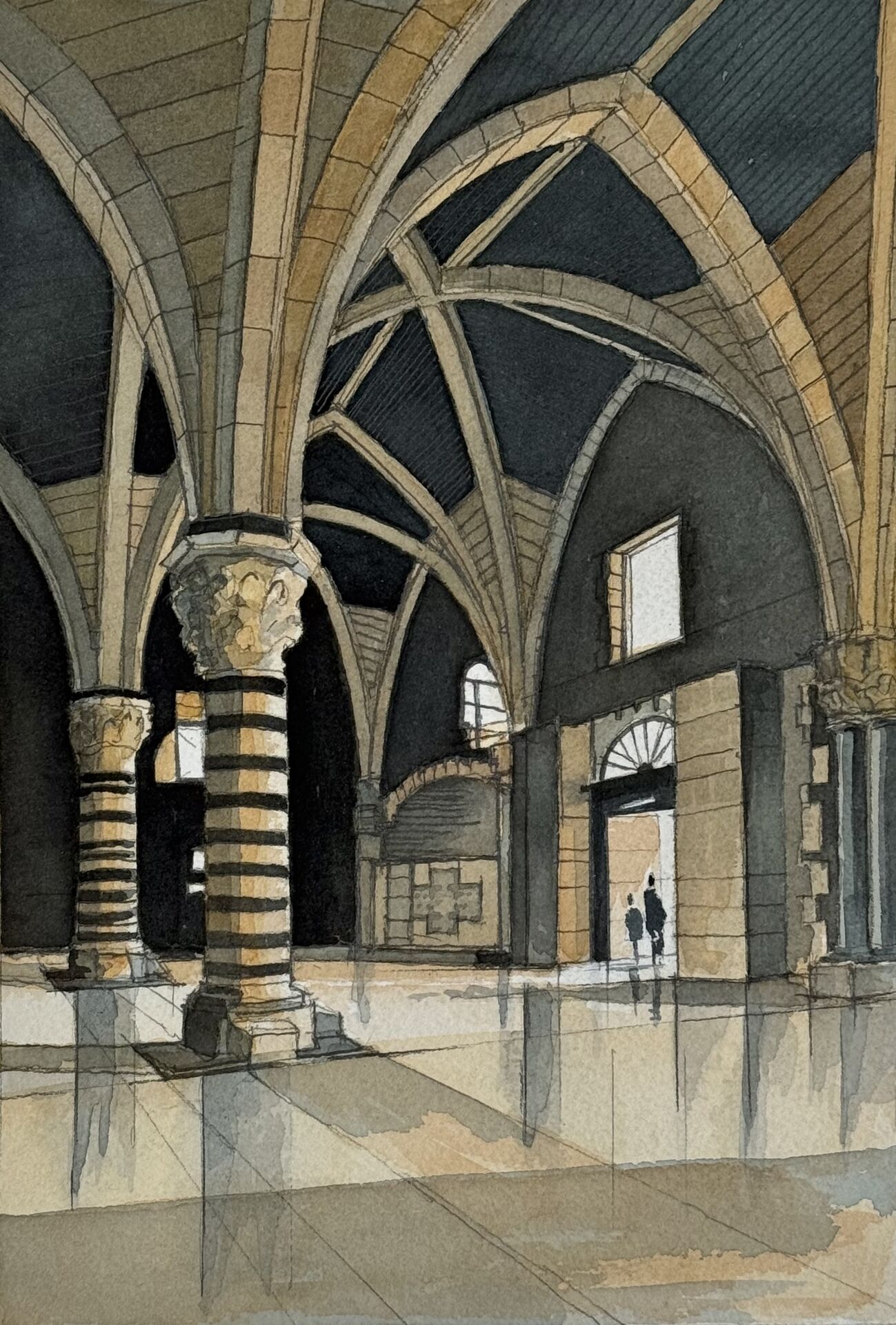
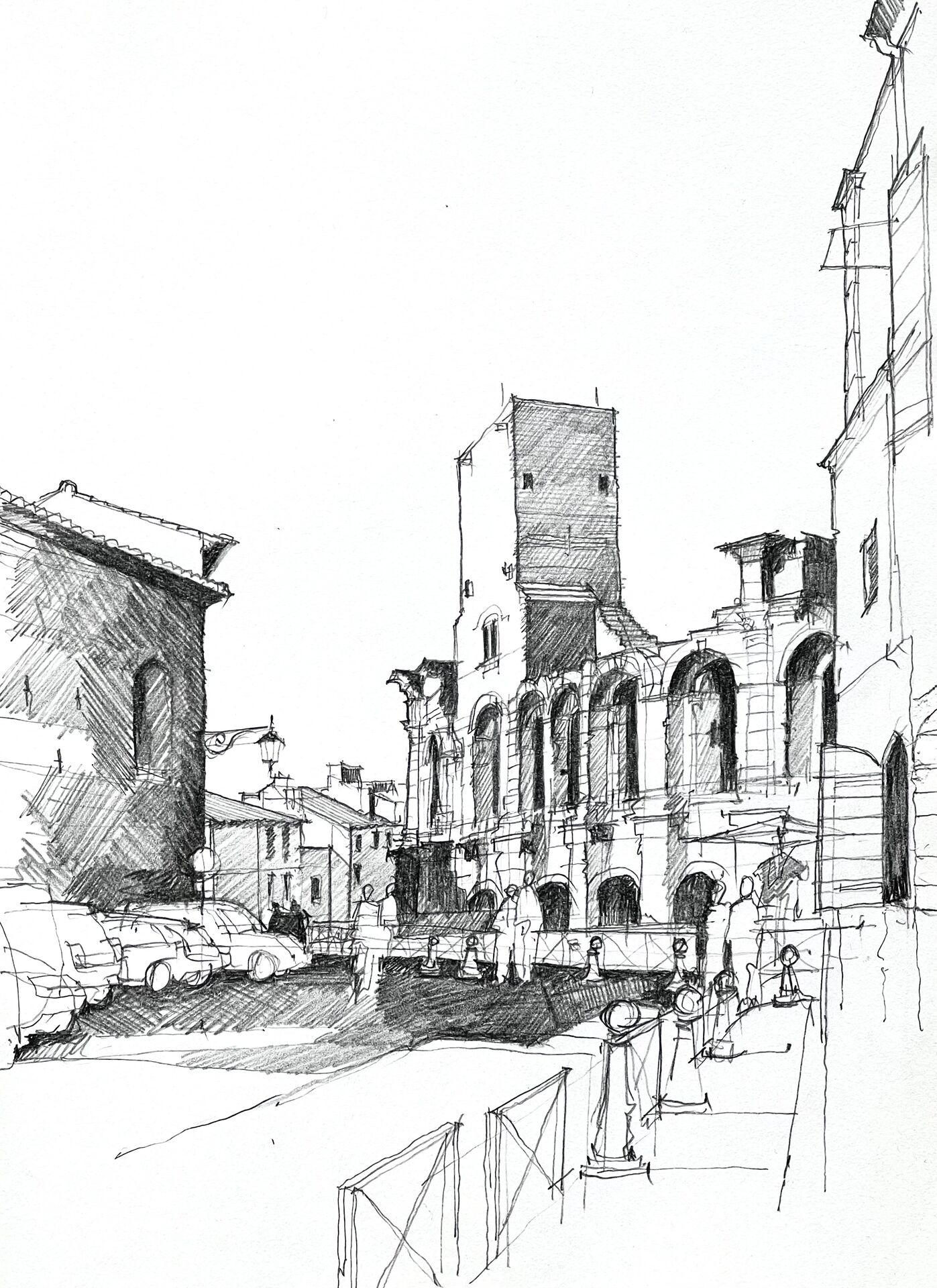
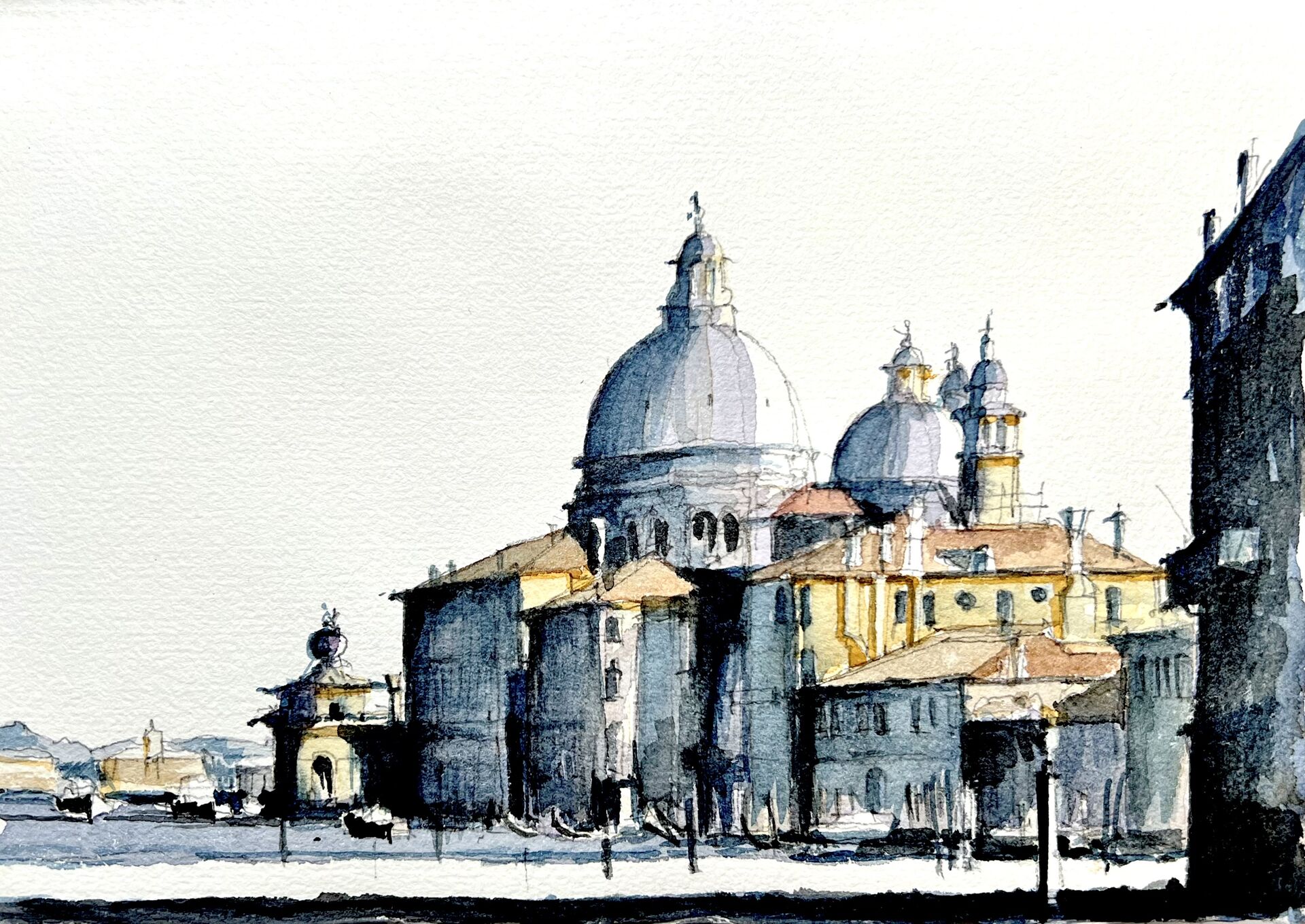
We therefore decided that we would exhibit some copies of these pages that at the end of the exhibition could be signed by the two and given as a gift together with the book to the public. We followed this idea to the end with Professor David Covo. Professor James Horan came up with an even more generous idea of bringing some copies of his notebooks already printed on cardboard and the beautiful series of annual greetings that he sends to all his friends at Christmas. Thus, the exhibition acquired a suggestive image base to illustrate how to think on paper and how much a sketch helps in the perception and understanding of the architectural context.
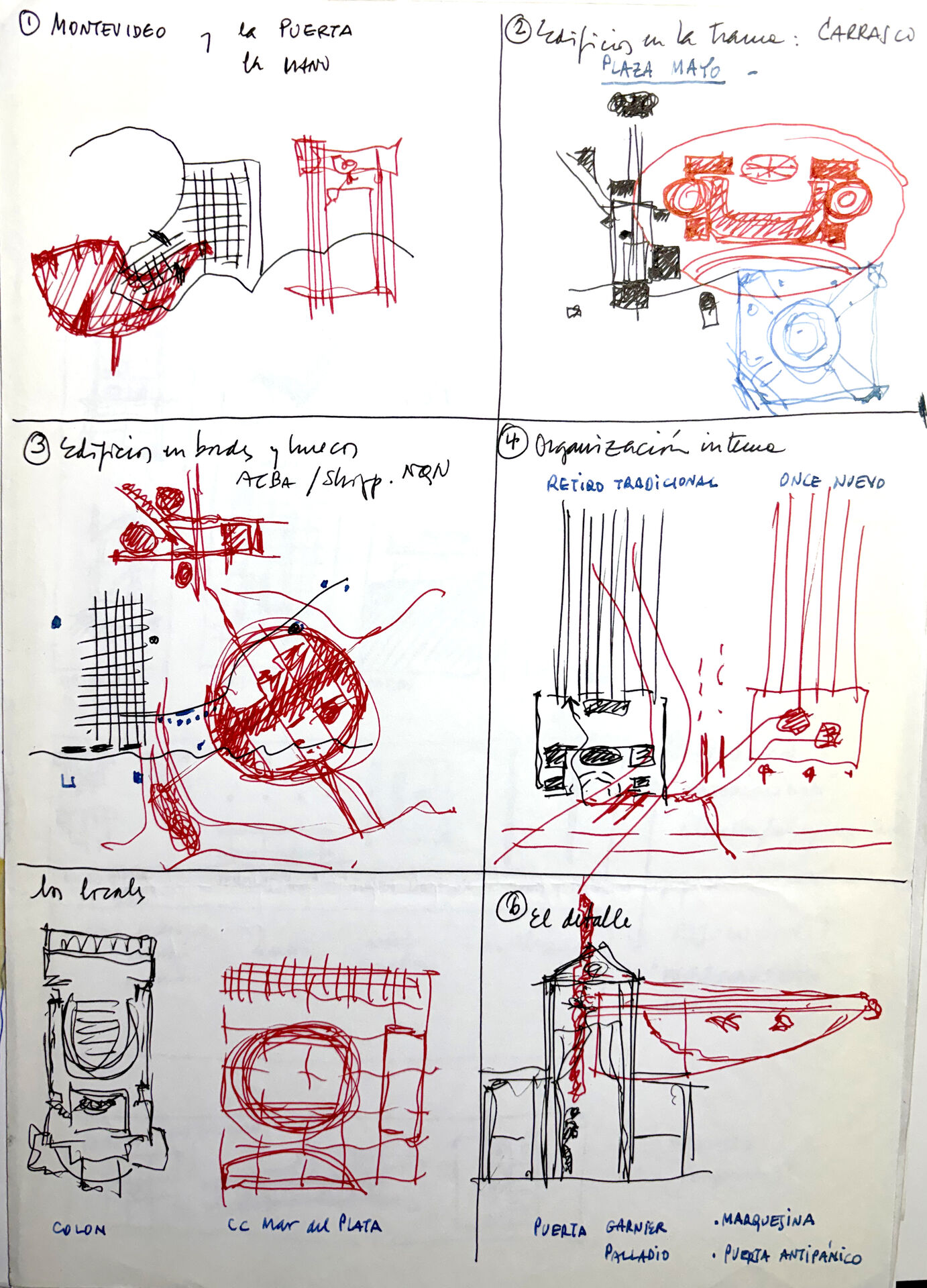
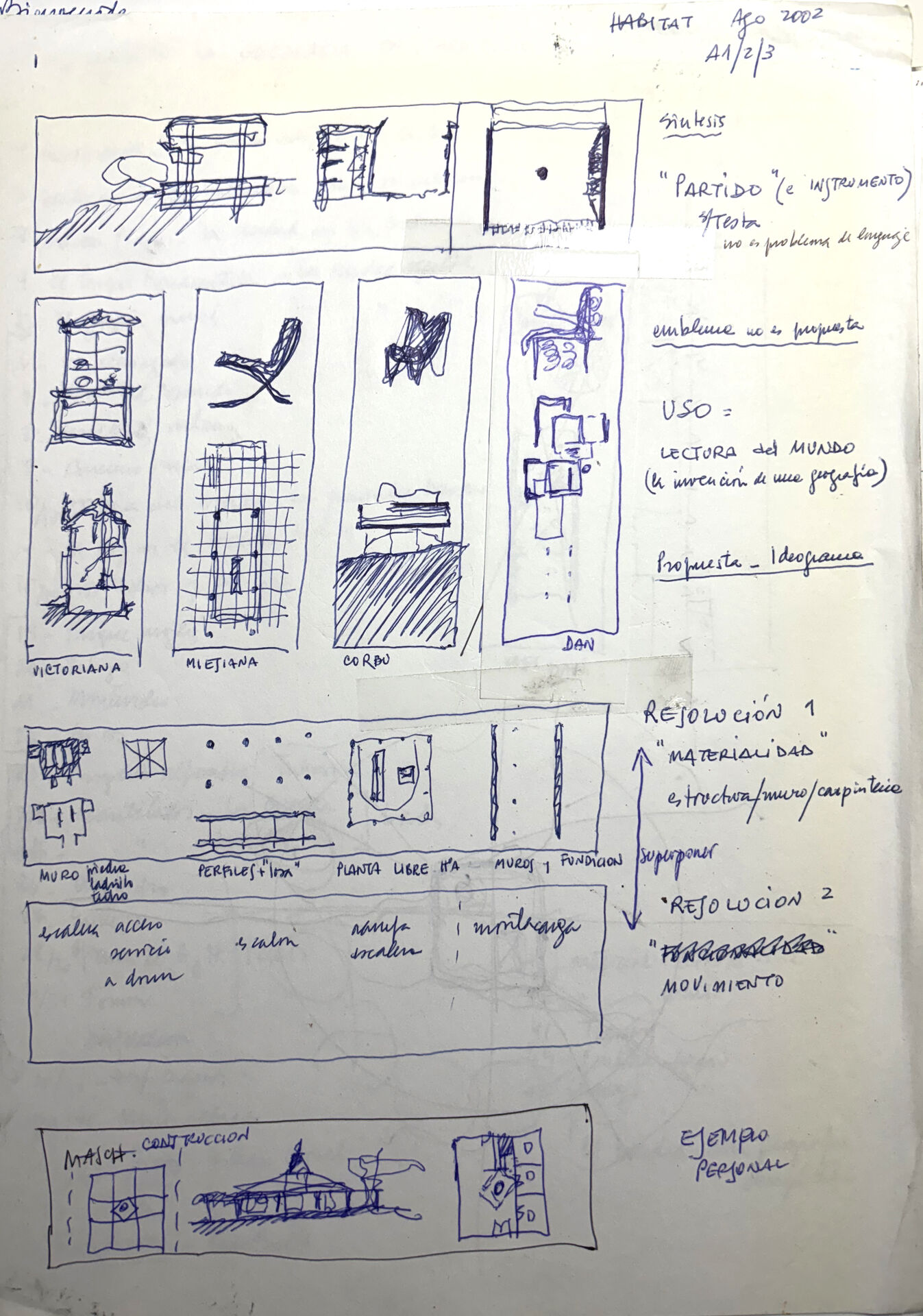
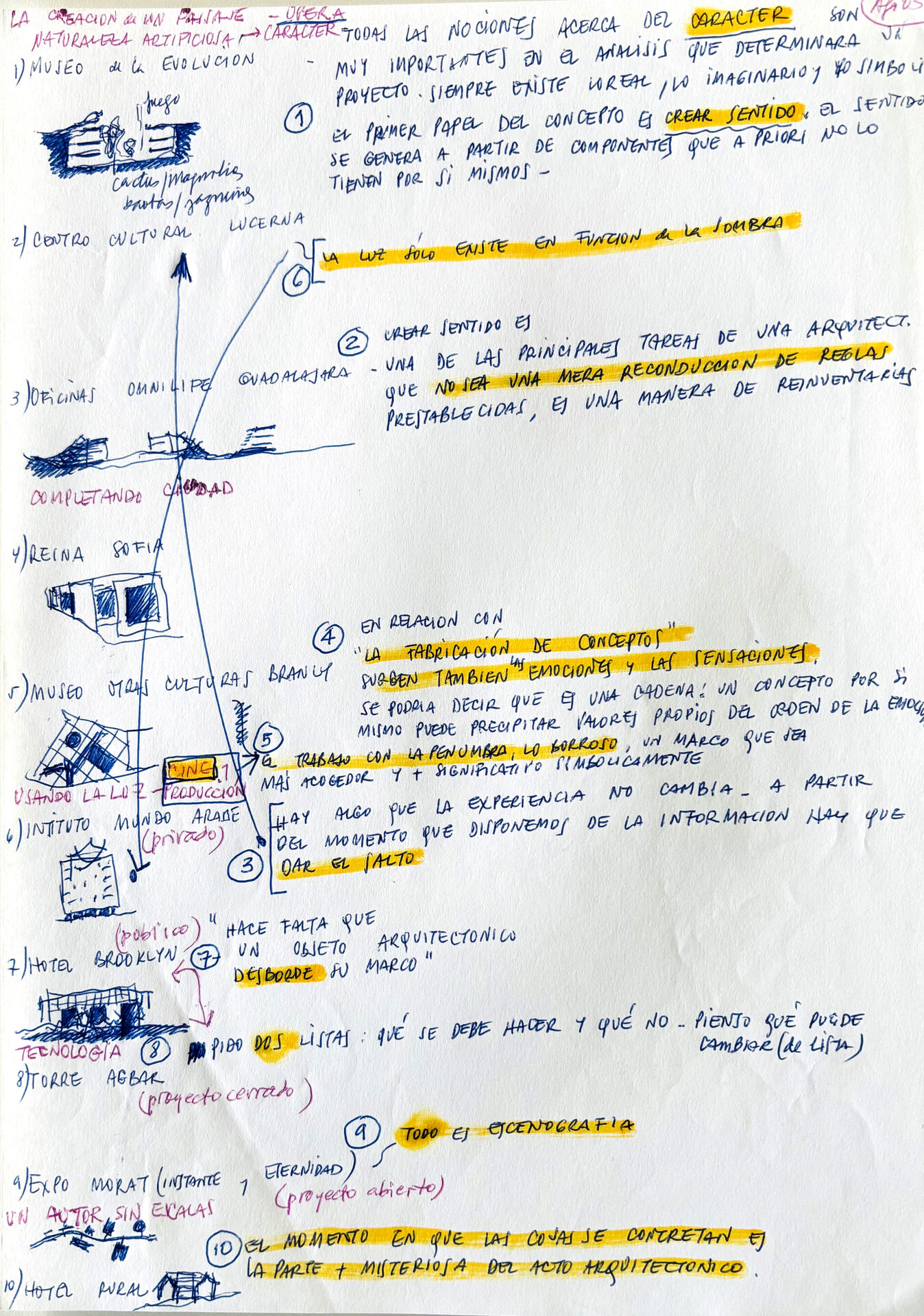
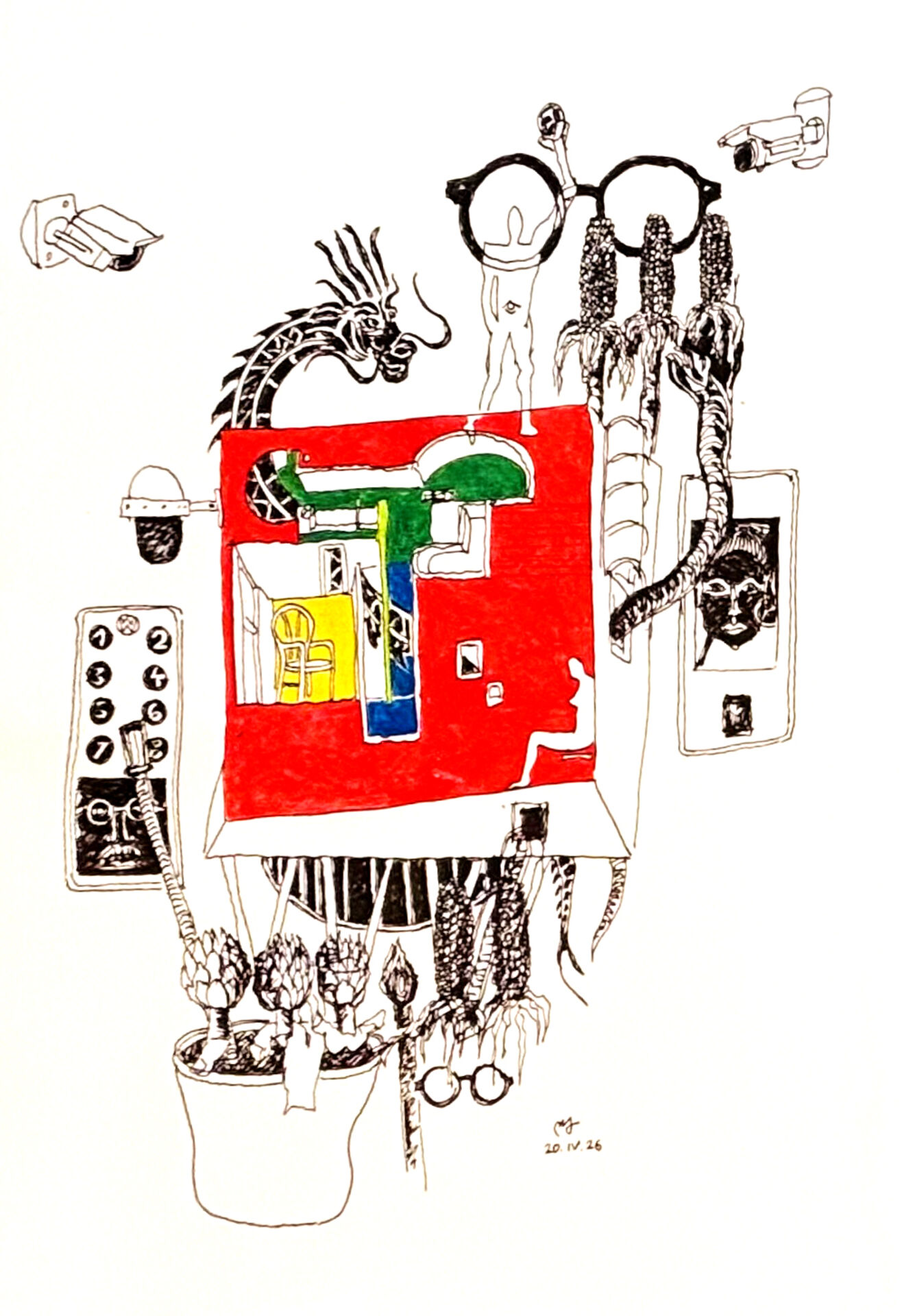
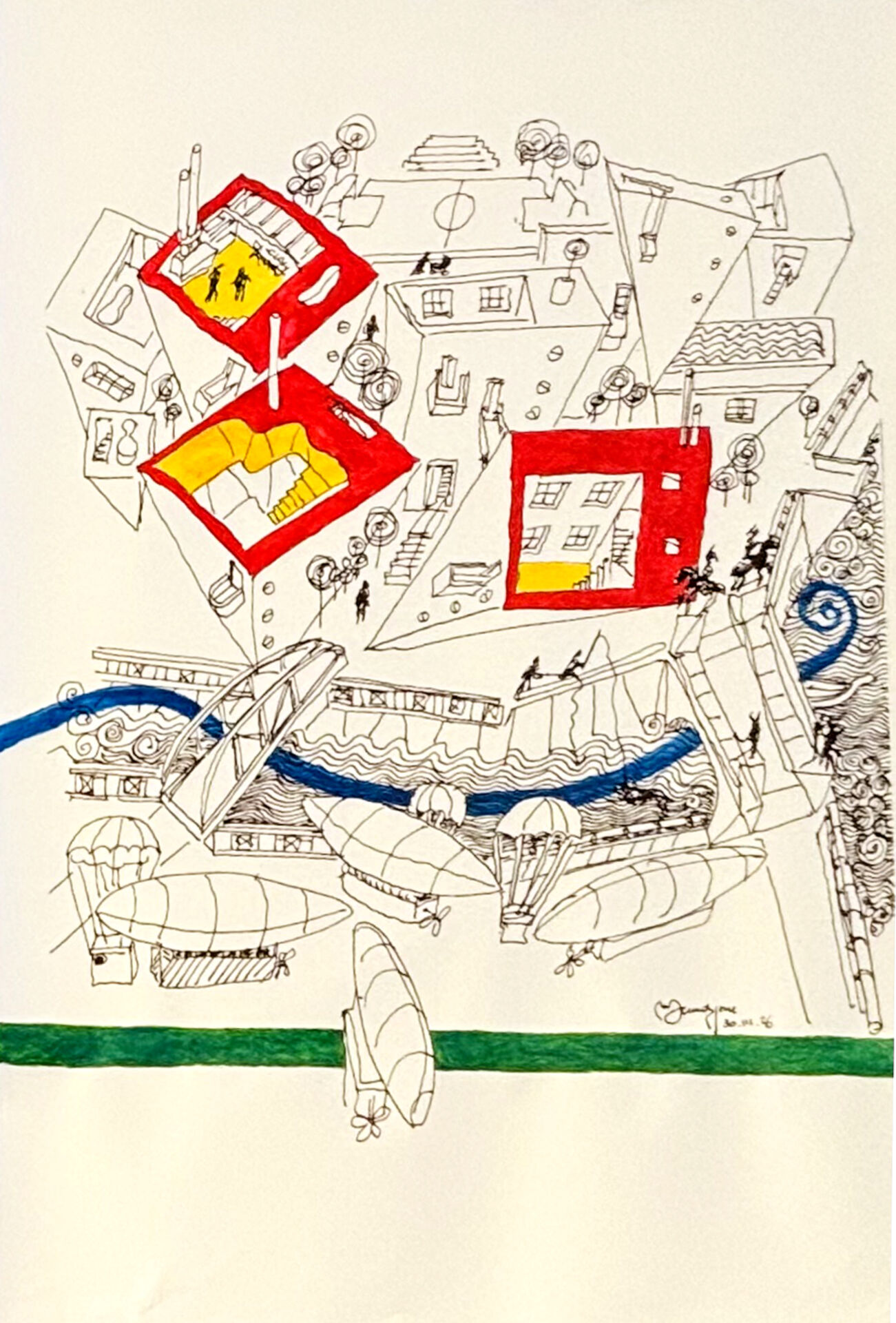
Another important moment was when Miguel Baudizzone Doctor Honoris Causa of our University sent me an email thinking about the diploma sessions that he had not participated in the last 2 years and told me that he was about to have an exhibition of his conceptual drawings in Buenos Aires. At that moment, I extended the invitation to have the same exhibition on two continents simultaneously and I told him about the book launch accompanied by a small exhibition to which he is invited to send some drawings.
To close the list of exhibitors, just like in the first edition, I also extended the invitation to Professor Franco Purini Doctor Honoris Causa of our University to send some copies of the sketches from his notebooks. This email was sent extremely late and the drawings arrived after the physical exhibition and the book launch. Thus, we decided as a reparative measure together with the authors that this exhibition should be launched online post factum and remain visible as a witness to an ephemeral but extremely important event, just as the book marks the initial exhibition of the 4 Homoris Causa.
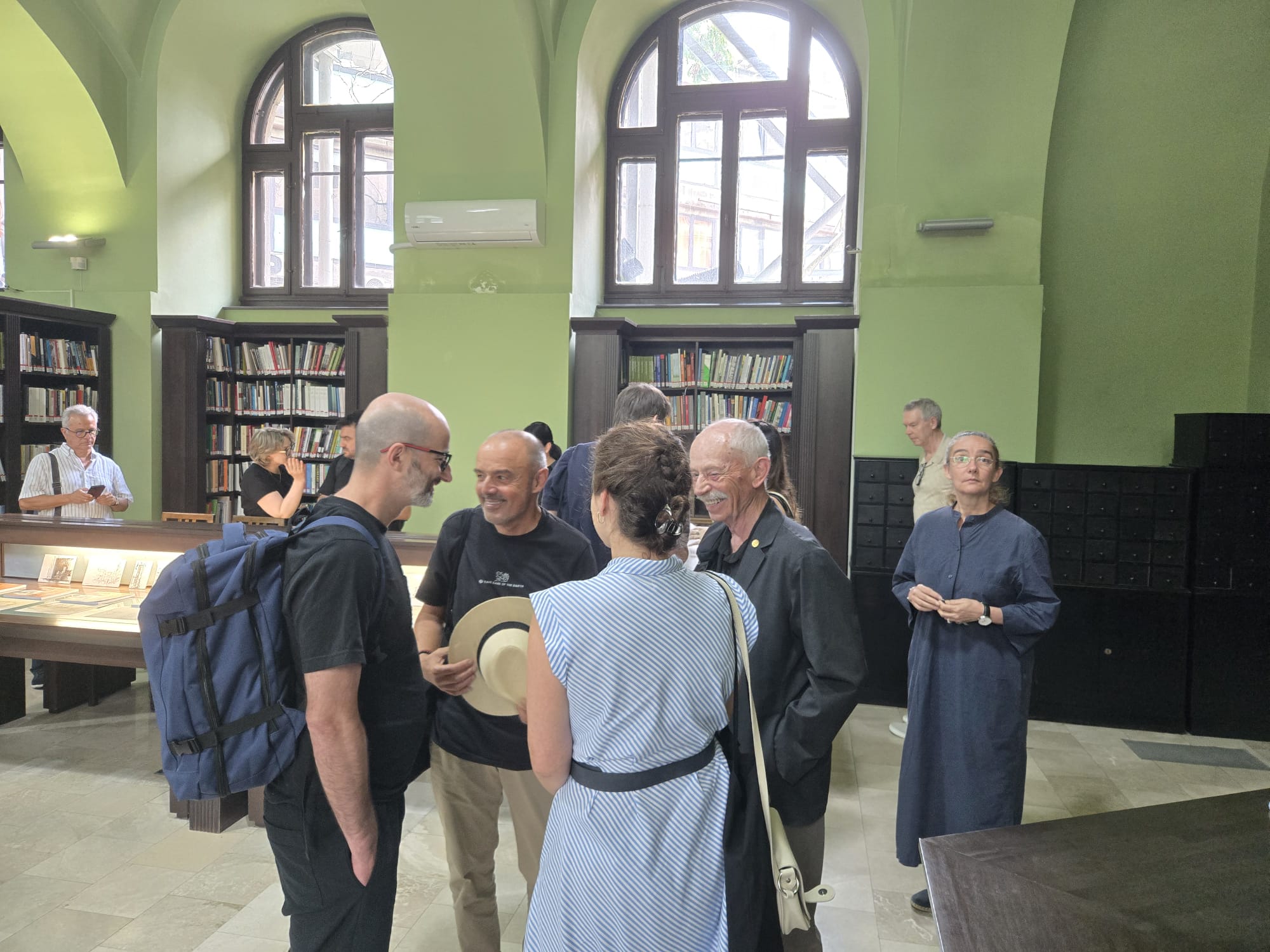
If the first exhibition Honoris Causa Expo each participant contributed with 30 drawings each to be exhibited, elaborated or not, in mixed media but which were exhibited framed in a large format, this time the physical scale of the sketchbook imposed the exhibition of quite small drawings. The challenge of finding a space in which these things could be exhibited and highlighted, which would also allow for the book launch, led to the reactivation of the UAUIM Library space as a multipurpose space in which this event was possible.
I had the privilege of meeting the 4 professors personally and I would like to explain where the sketchbook appeared in our discussions. At the first meeting with Professor James Horan, in a discussion about travel, he was telling us about his last trip to Mongolia where he spent a month with his son. As the story progressed, he took out a sketchbook from his pocket and showed us some graphic impressions he had from that trip. The few sketches were a synthesis of experiences for which hundreds of pictures would have been needed to explain the whole story, but they succeeded much more easily.
With Professor David Covo, who I taught at McGill and who invited me to a workshop for sketching after models that he organized for his students, which he paid for out of his own pocket, I saw him several times on the trips that I organized after diploma sessions, how he takes out his notebook and starts sketching an architectural detail or a spatial pose that he has in notebooks specially dedicated to certain trips or countries.
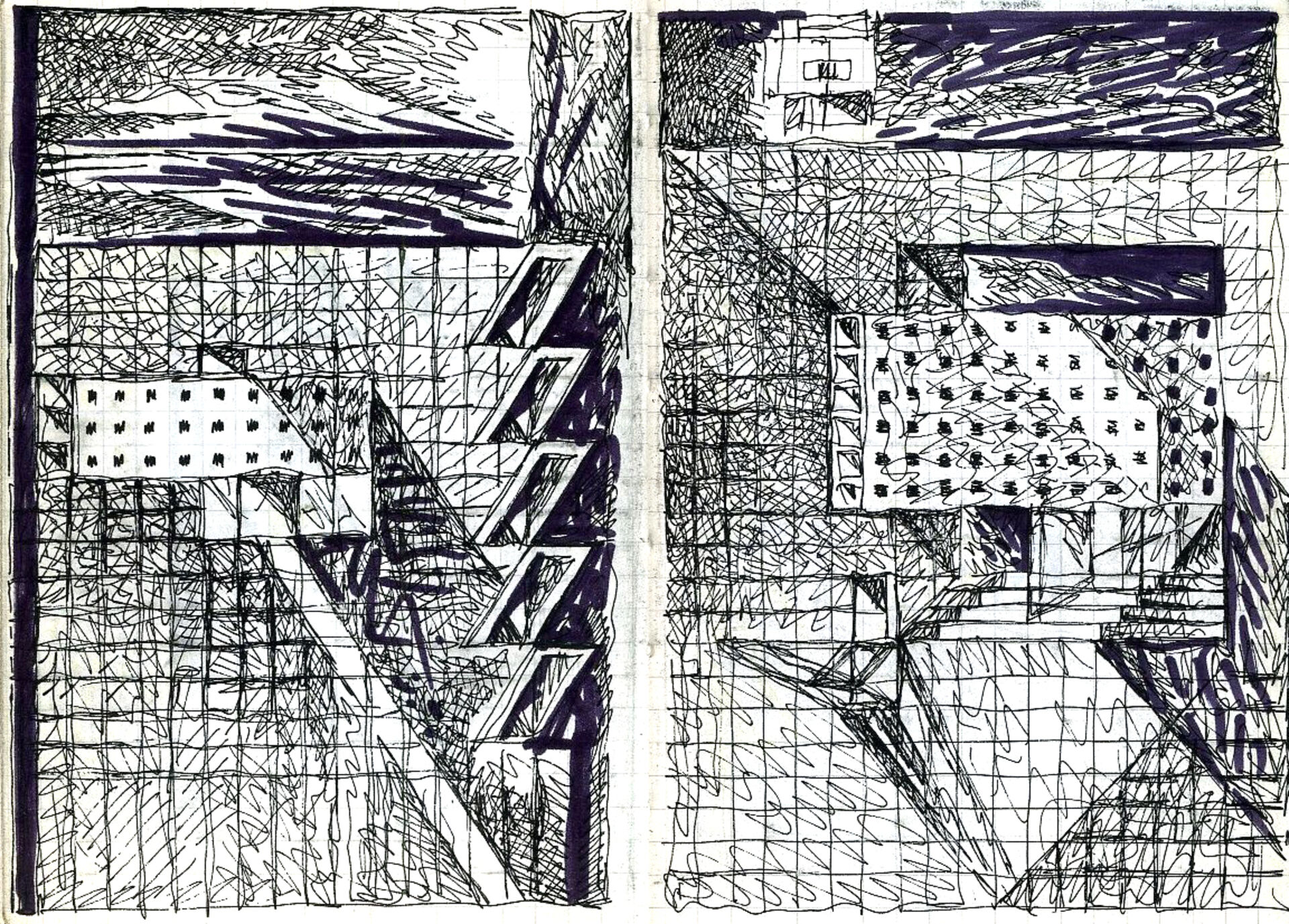
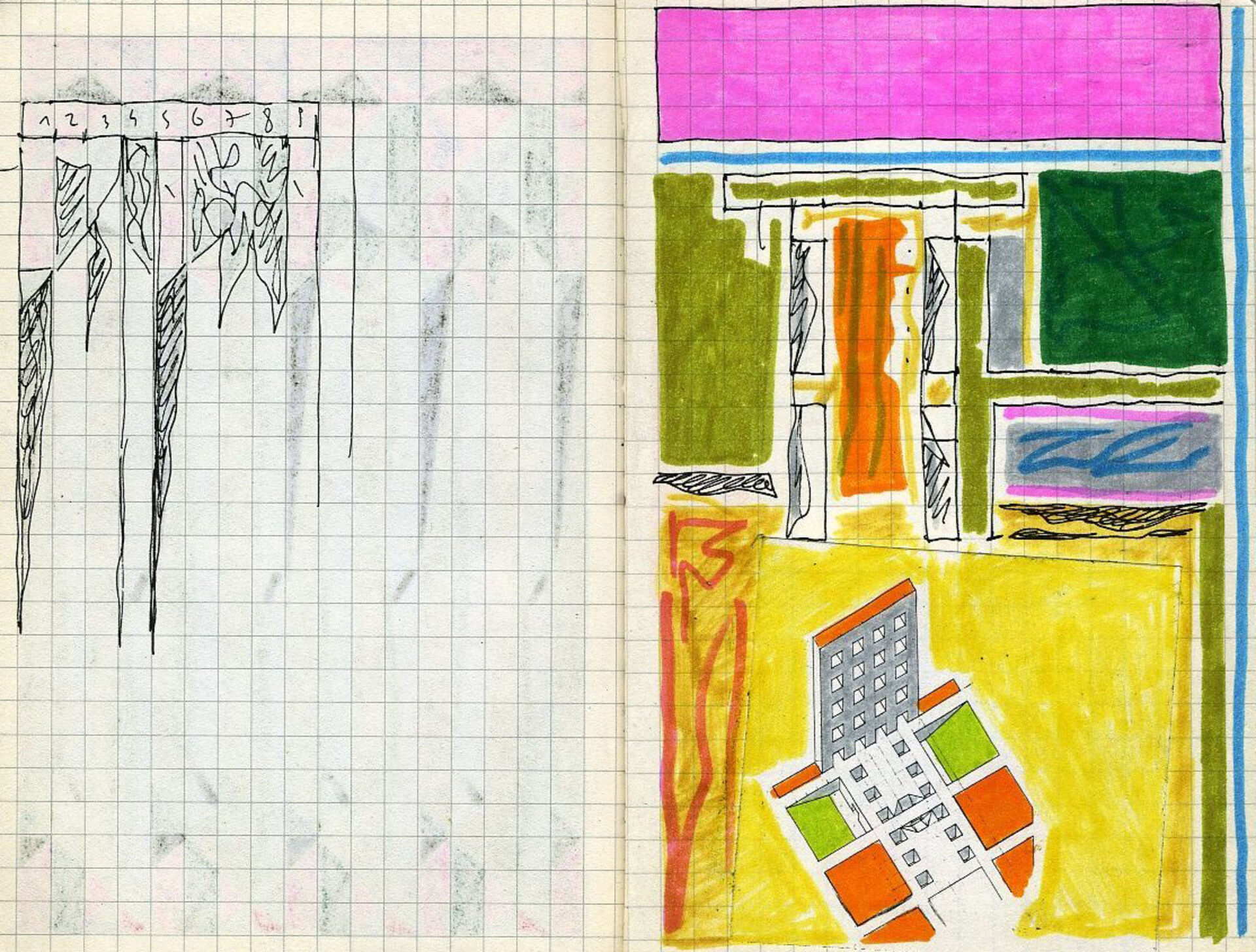
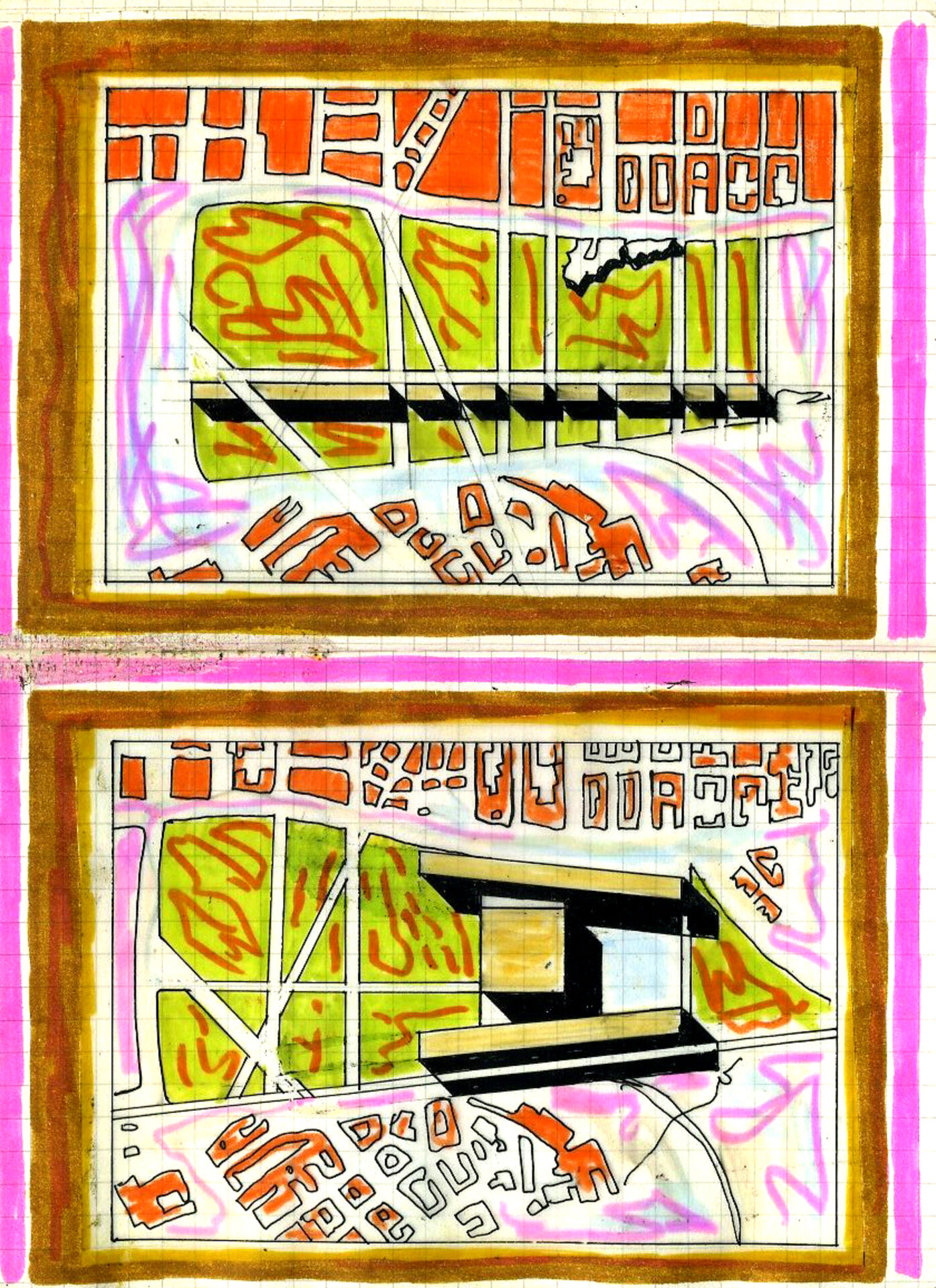
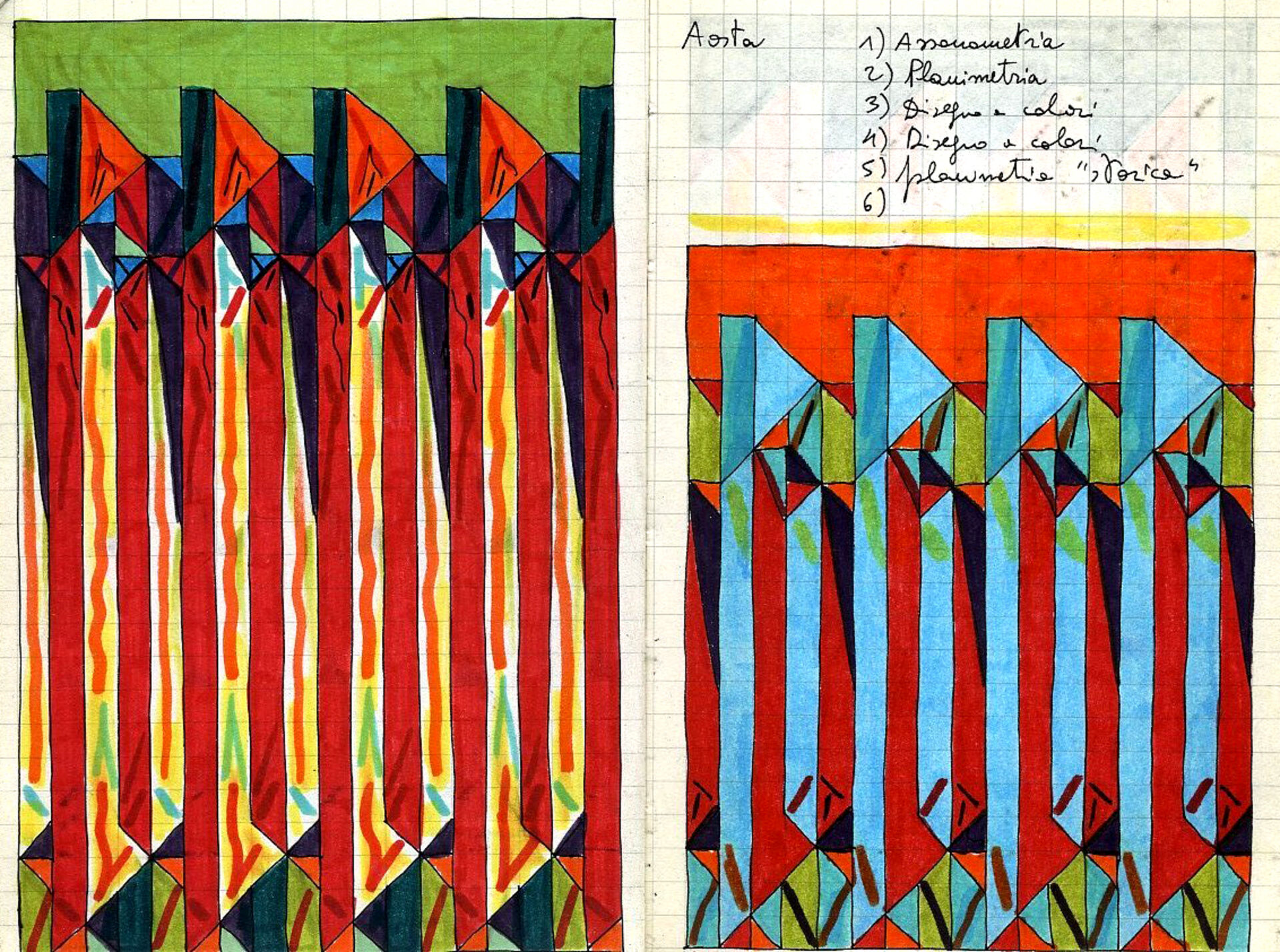
I saw Professor Franco Purini making sketches in an extremely small notebook, 6 by 6 cm, elaborate drawings that later became larger paintings or details of works. He simply drew something every time when nothing else more interesting was happening, anything, but it was an exercise of the mind or a search for expression.
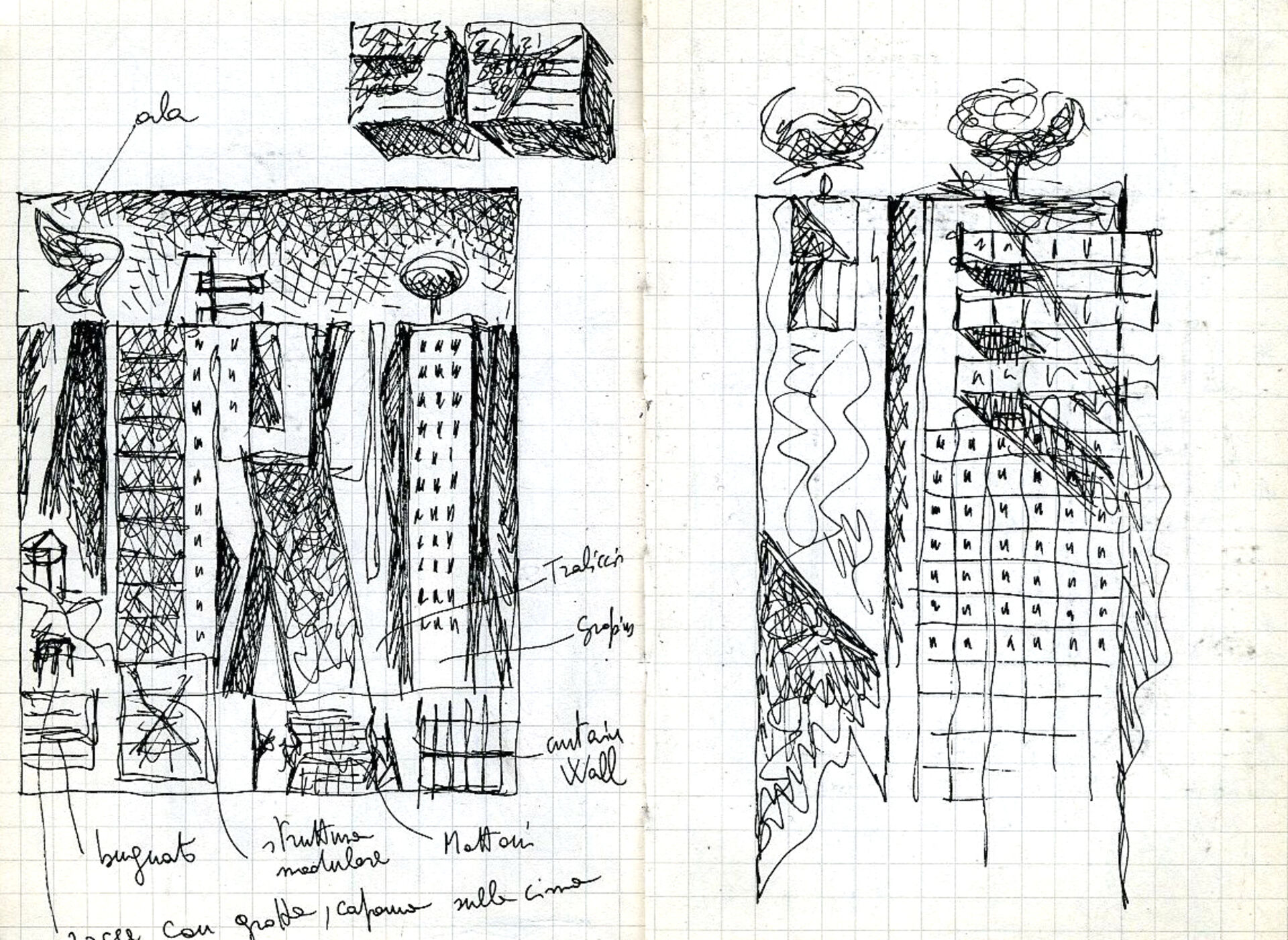
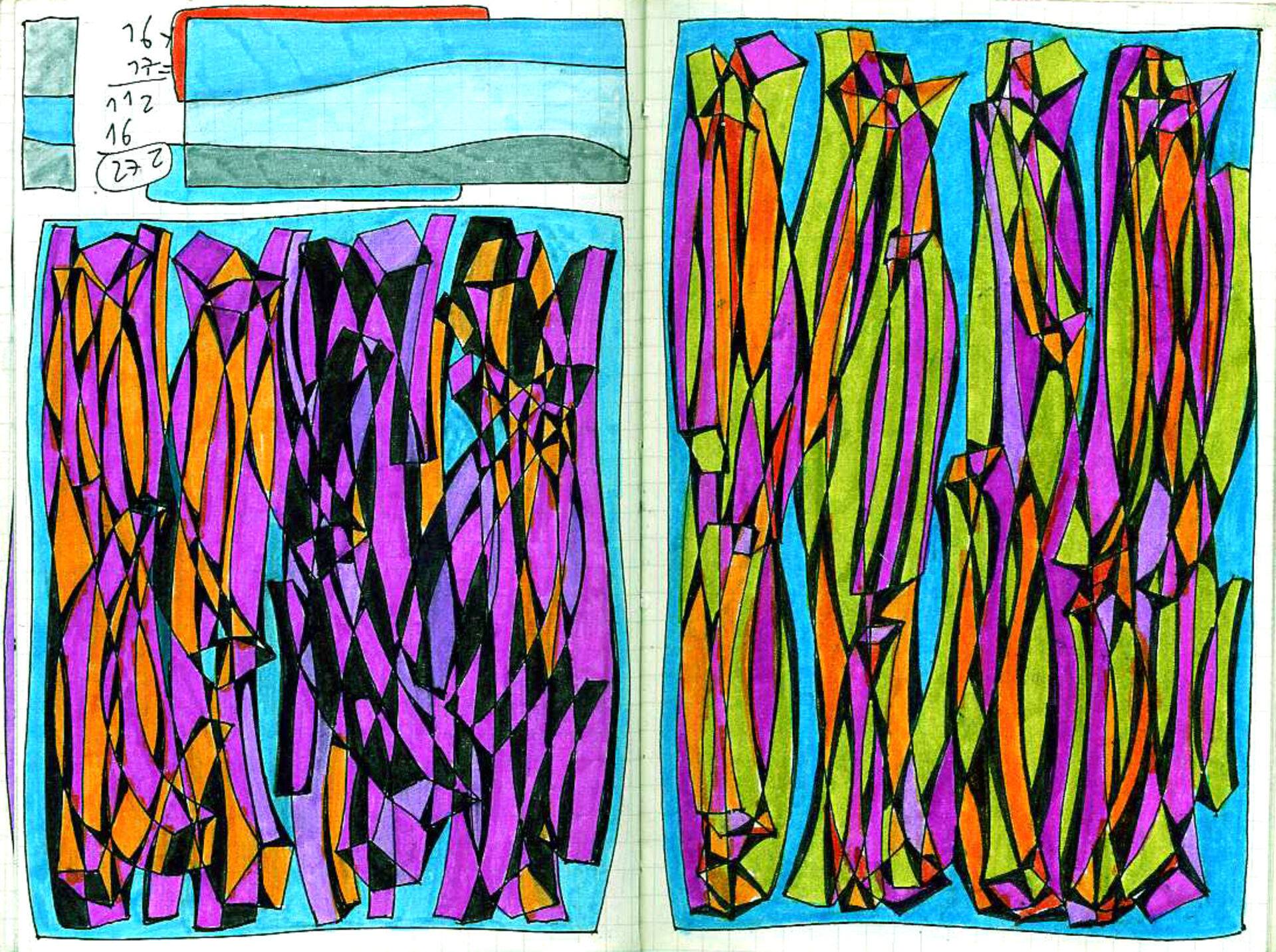
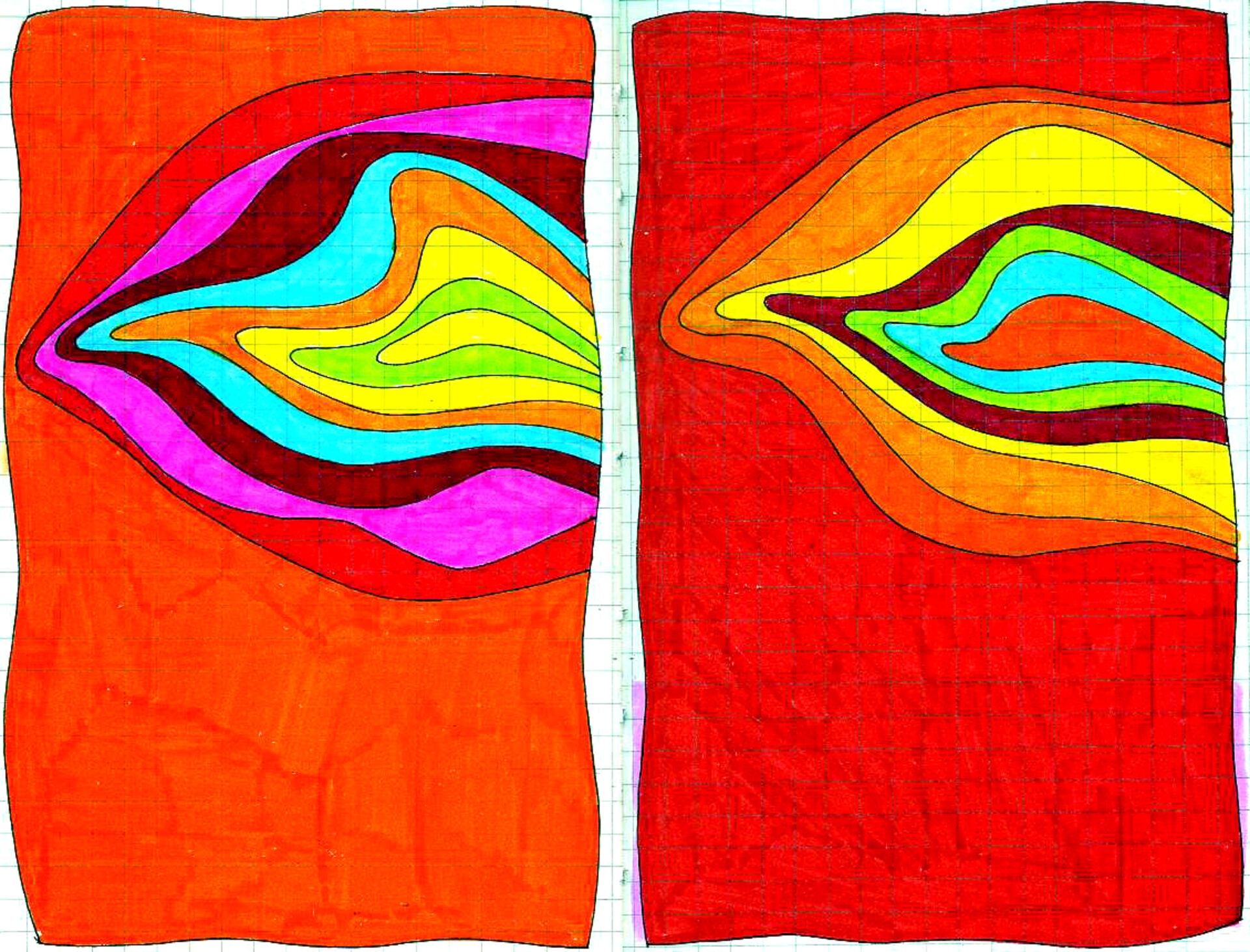
I saw Miguel Baudizzone sketching during commissions to retain certain projects, but this is a common practice among Romanian teachers as well. I have seen such extremely clear sketches with comments and the proposed grade and I remember with pleasure another Professor Honoris Causa of our University Marvin Malecha, who donated these drawin grading sheets to the UAUIM Museum, which unfortunately did not catch these exhibitions but would have been an extremely valuable contributor. But returning to Professor Baudizzone, if at the last exhibition there were architectural concept sketches later transformed into architectural objects, this time some extremely innovative utopian sketches were exhibited, dense in social topics related to the interpretation of architecture on the one hand, but also sketches that accompanied the courses given to students with moments of perception of some architectural objects and the illustration of a parcourse.
The current exhibition thus brings together for the second time some outstanding personalities of architecture for whom hand drawing is still extremely important and this is something that must be passed on to the generations of students who enter the 1st year extremely well prepared following a rigorous entrance drawing exam and must not forget how important it is to continue drawing through their entire life.
Miguel Baudizzone
David Covo
James Horan
.jpg)
.jpg)
.jpg)
.jpg)
.jpg)
.jpg)
.jpg)
.jpg)
.jpg)
.jpg)
.jpg)
.jpg)
.jpg)
.jpg)
.jpg)
.jpg)
.jpg)
.jpg)
.jpg)
.jpg)
.jpg)
.jpg)
.jpg)
.jpg)
.jpg)
.jpg)
.jpg)
.jpg)
.jpg)
.jpg)
.jpg)
.jpg)
.jpg)
.jpg)
.jpg)
.jpg)
.jpg)
.jpg)
.jpg)
.jpg)
.jpg)
.jpg)
.jpg)
.jpg)
.jpg)
.jpg)
.jpg)
Franco Purini